Category: Holy Spirit
-
The Bible’s Crucial Lesson

Our purpose here is to expose what the Bible teaches is God’s desire and intentions of, and for us, and as a result, how the rest of one’s traditional religious beliefs and practices are supplanted. Having understood God’s heart for us, we will see which aspects of the Bible reveal it, and which don’t. Those that don’t, we need to recognize are there for different, and by definition, secondary, reasons. The Bible’s story of God’s plan and message isn’t “new”. It is simply non-traditional, and so largely ignored.
-
Jesus’s Nature
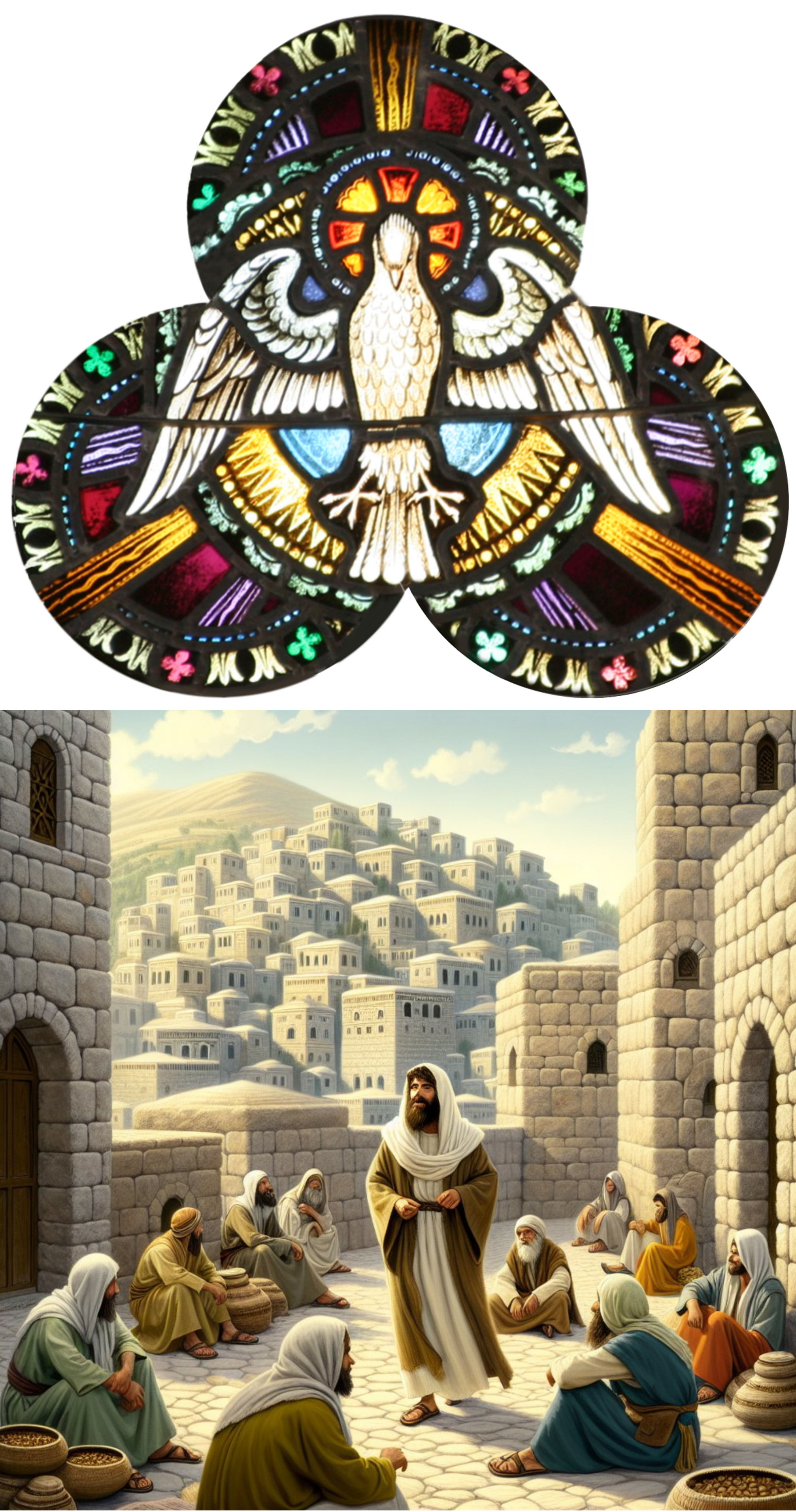
Christian tradition has long affirmed that Jesus is divine—one “person” of a triune Godhead. This framework interprets His authority, miracles, and exaltation as evidence of inherent deity. Yet the New Testament also presents Jesus as a fully human figure who lived, acted, and suffered within the constraints of human biology. A second model has garnered some support and that is the idea that God manifested Himself as the human Jesus, so-called Modalism[i]. In this model, God presents an image that is indistinguishable from a biological human, and expresses God’s character and power. A coherent alternative to divinity arises when we…
-
Always Learning, Never Knowing

Most people who embark on a journey expect to arrive at their destination. Airports contain huge boards showing the status, gate number, and destination of all of its departing airplanes. All of the people boarding a flight for a particular destination fully expect to arrive at that destination. But this situation isn’t true of every pursuit. Our premise here is that there are those embarked on the abstract journey of “knowing” that don’t always want to succeed. They don’t want to “arrive”.
-
The Development of Israel’s Idea of Righteousness
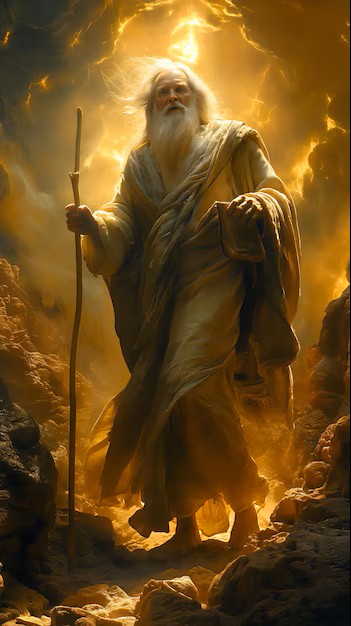
“Righteousness” to Israel came to mean being acceptable to God. Most know that the Ten Commandments given by God to Israel at Sinai served as the foundation for Israel’s idea of righteousness. The evolution of Israel’s received understanding of their position vis-à-vis the status of “righteous” before God was dependent on their progressive revelation by God of His will for therm. And, they had to fight through many false declarations intent on obscuring the truth to benefit men. While the Decalogue remained the bedrock of Israel’s moral imperative, their view did not remain static but developed through their history. Our…
-
The Singular God and the Divine Christ: A Case for Modalism
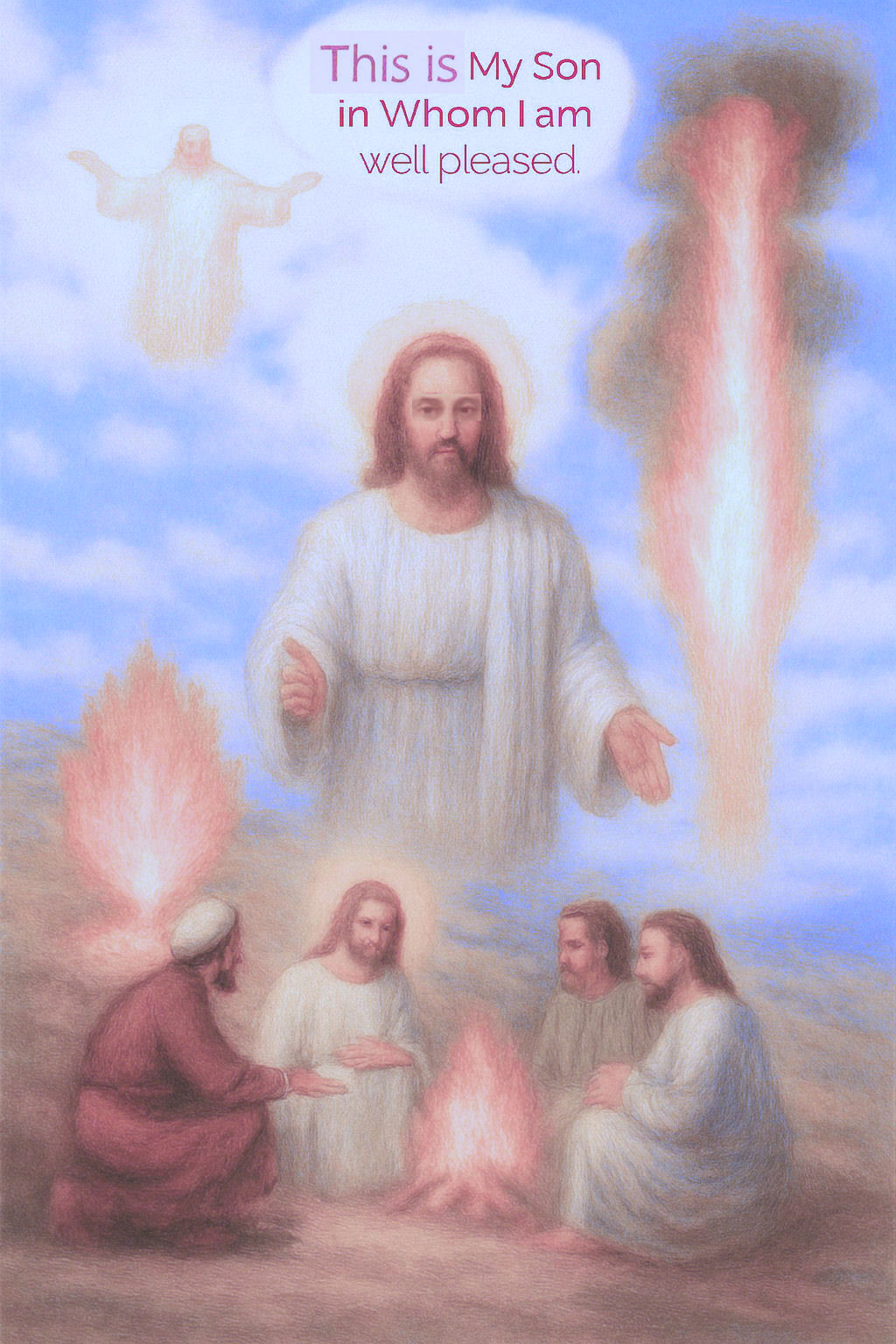
Only some people believe that Jesus of Nazareth was divine, the same thing as God. Almost none of those believe that God is a singularity. They would say that He is “three in One”. Does the assertion of Jesus’s divinity by itself create a dichotomy between these two ideas, as many claim? The purpose of this piece is to demonstrate that a single Divinity does not represent a dichotomy but rather a transcendent truth that goes by the label “Modalism”. We will look at some of the voluminous textual evidence that supports this case and find that, far from being…
-
Forgiven, or Transformed to Righteousness?

For centuries, the traditional, Christian interpretation of Jesus’ death has been that it was an atonement for the sins of those who would choose to “believe” and follow Him. This scenario portrayed a kind of cosmic cleansing for those who believed, though no one told us what that meant. A common assumption is that having one’s sins atoned for/forgiven is having them excused. For the record, not everyone completely bought the cosmic cleansing story, citing texts (e.g. Luke) that didn’t completely embrace the sacrificial atonement theme.
-
Unpacking the New Covenant Gospel

Many Western Christians [i] and secular individuals have misunderstood the core message of the Bible’s Good News for centuries. This analysis aims to clarify the true Gospel, obscured since the Reformation, by examining relevant New Testament and Hebrew Bible passages to determine whether they support or challenge what I’m referring to as the “New Covenant Gospel”, first proposed by Dr. Jason A Staples. This interpretation diverges from the traditional Gospel message fundamentally.
-
New Heavens and New Earth

What is the proper interpretation of the Bible’s passages describing the Eschaton — the end and resolution of the world? Most, for the last 1200 years or so, have believed that when they die, they will go to “heaven”, despite the paucity of biblical evidence for this view. But what happens at the end of all things? Surely it is a point in time beyond which all of God’s plans for His Creation are realized.
-
Groaning With the Spirit
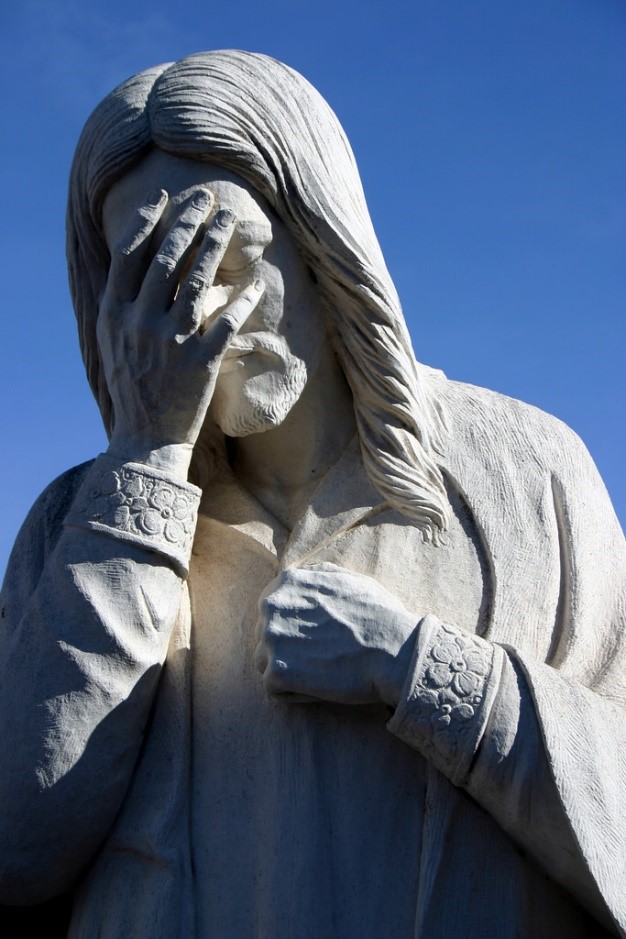
Rom 8:26 “Likewise the Spirit helps us in our weakness. For we do not know what to pray for as we ought, but the Spirit himself intercedes for us with groanings too deep for words.” A recent post on social media mentioned an interview with NT Wright (A Deep-Dive into the Book of Romans: Dr. N.T. Wright – Theology in the Raw) in which he makes a point regarding the above (and other Romans’) passages of Paul that for me was both startling and eye-opening. Let’s look at Wright’s narrative of the Romans story, and unpack his startling point.
-
Developing Spiritual Fitness

Most of us think about our spiritual lives (when we think of them at all) as cerebral, passive things: things that just are, likely supported by some “quiet time”, perhaps some Bible reading, and prayer. However, our spiritual strength is only truly developed when, like a muscle in our body, it is stressed, and stressed repeatedly.
-
New Life in the Kingdom of God

In the second three chapters of Ephesians, Paul casts his revolutionized view of human life and interrelationships that, as much as any portion of his epistles, brings into sharp focus the life transformation that followers of Christ should both expect and strive for.
-
A Call to a Radical Christian Revolution

The premise of this note is that in order to rescue this civilization, Christ Himself is going to have to “appear” in the world to demonstrate to its inhabitants that He is the way, the truth, and the life. And, since we Christians are the members of His body on earth, that job falls to us.
-
Love Your Neighbor as Yourself
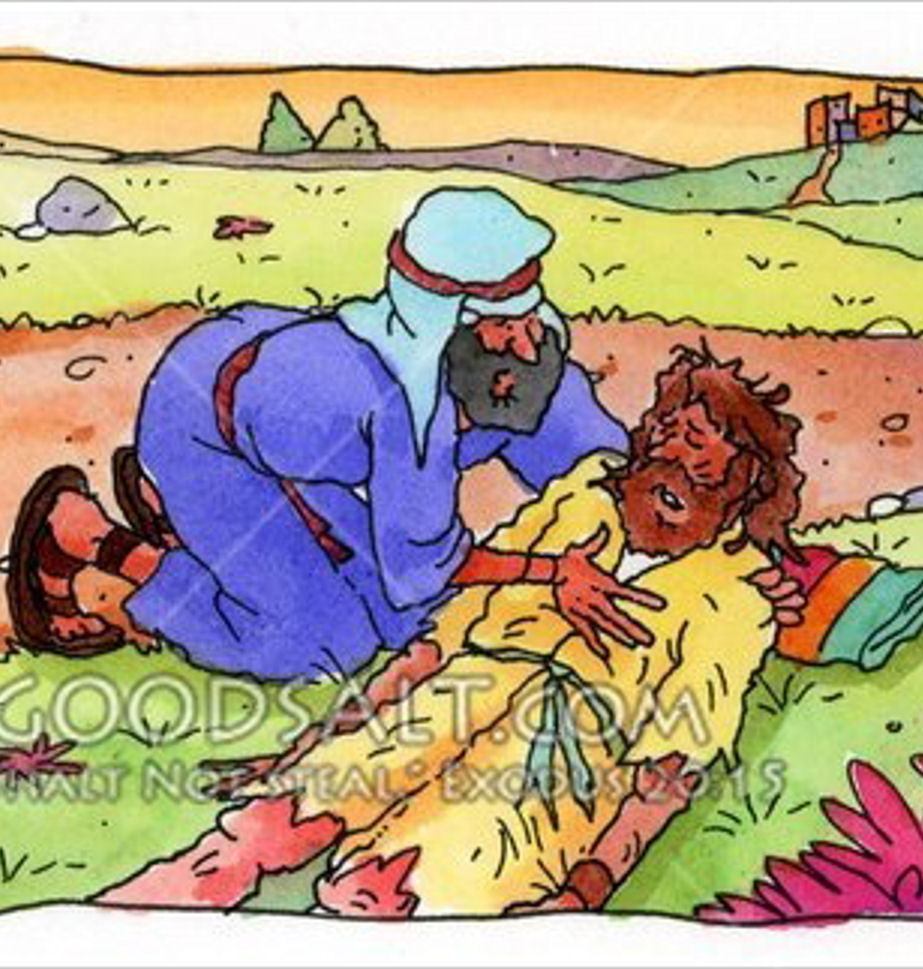
Most will recognize this title as one of the most famous admonitions of Jesus of Nazareth. But most of us don’t have much experience in fulfilling it. How can we turn this around?
-
The New Covenant…of Moses?
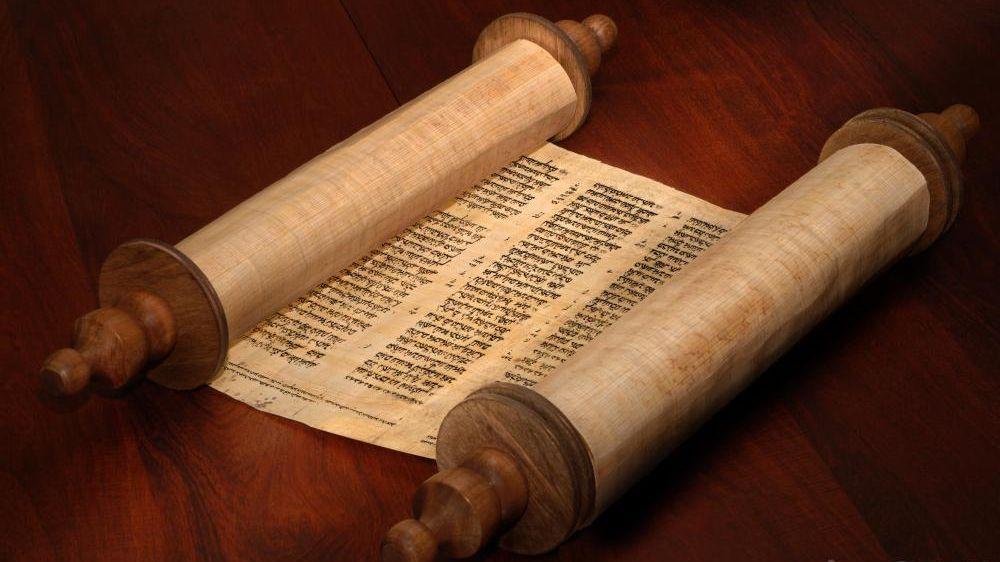
It may come as a surprise (as it did to me) that Moses, virtually before Israel was identifiably a nation, predicted the replacement of the Covenant he was given for them by a succeeding, New covenant in which God took things into His own hands.
-
Don’t Waste God’s Time

Few understand what being called into the life of Christ means to them or requires of them. Fewer still understand, having answered this call, how such a life is even possible, let alone what that life looks like as it is lived out. And very, very few know that answering that call and living that life is what God expects of all of us.
-
Living Christ

This note focuses on the sincere Christian desiring to live the life he has been called to live in Christ — to live your life as Christ would live it if He was you.
-
Being a Disciple

Not many self-proclaimed Christians these days would claim the mantle of “Disciple”. They think those were the twelve guys who followed Jesus around (or were they Apostles?). Most have no idea what the term means and what is, therefore, involved in actually becoming one.
-
Thinking About the Trinity

Don’t make it hard. Don’t overthink it. “Hear O Israel, the Lord is our God, the Lord is One”