Tag: Holy Spirit
-
The Development of Israel’s Idea of Righteousness

“Righteousness” to Israel came to mean being acceptable to God. Most know that the Ten Commandments given by God to Israel at Sinai served as the foundation for Israel’s idea of righteousness. The evolution of Israel’s received understanding of their position vis-à-vis the status of “righteous” before God was dependent on their progressive revelation by God of His will for therm. And, they had to fight through many false declarations intent on obscuring the truth to benefit men. While the Decalogue remained the bedrock of Israel’s moral imperative, their view did not remain static but developed through their history. Our…
-
The Singular God and the Divine Christ: A Case for Modalism
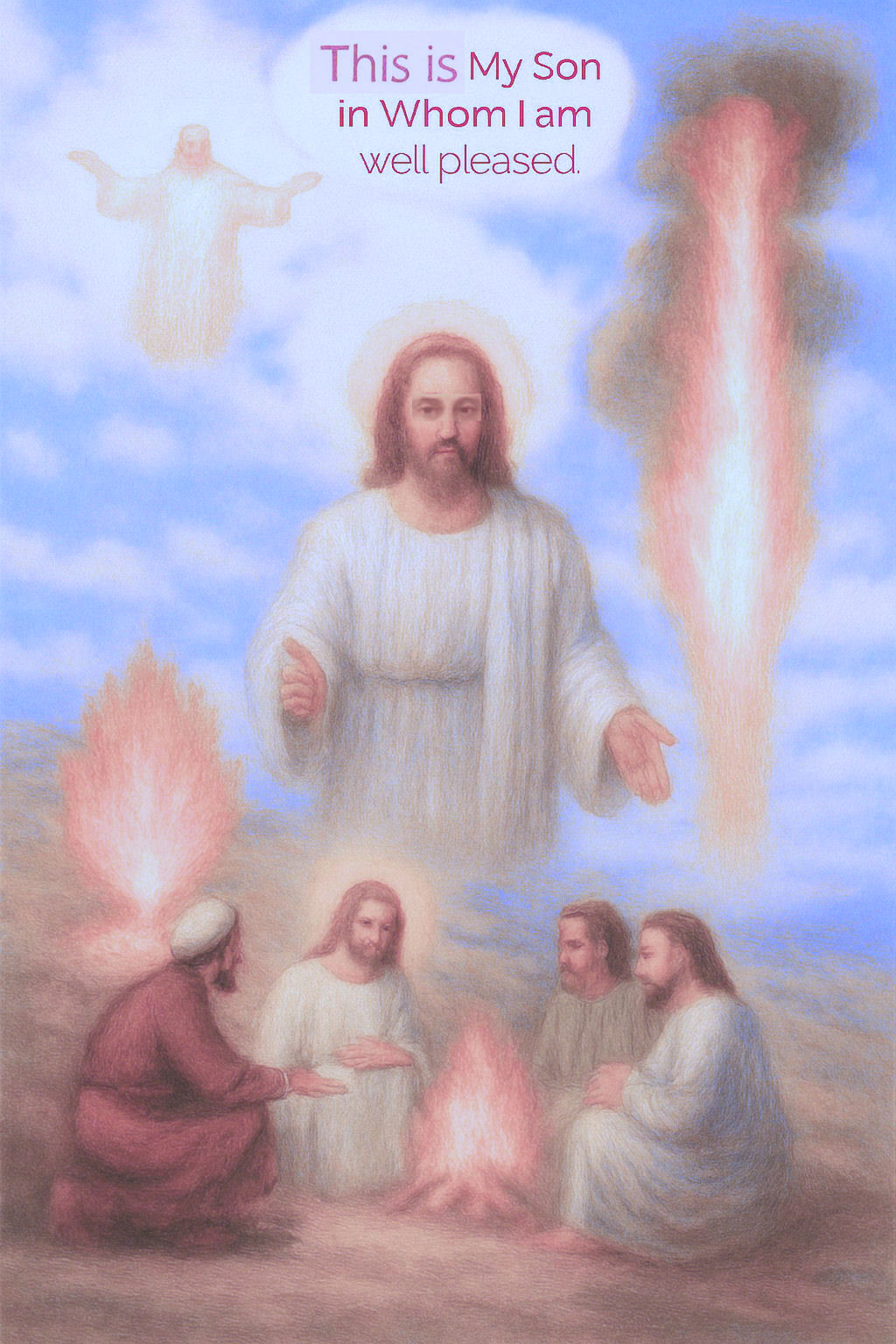
Only some people believe that Jesus of Nazareth was divine, the same thing as God. Almost none of those believe that God is a singularity. They would say that He is “three in One”. Does the assertion of Jesus’s divinity by itself create a dichotomy between these two ideas, as many claim? The purpose of this piece is to demonstrate that a single Divinity does not represent a dichotomy but rather a transcendent truth that goes by the label “Modalism”. We will look at some of the voluminous textual evidence that supports this case and find that, far from being…
-
Unpacking the New Covenant Gospel

Many Western Christians [i] and secular individuals have misunderstood the core message of the Bible’s Good News for centuries. This analysis aims to clarify the true Gospel, obscured since the Reformation, by examining relevant New Testament and Hebrew Bible passages to determine whether they support or challenge what I’m referring to as the “New Covenant Gospel”, first proposed by Dr. Jason A Staples. This interpretation diverges from the traditional Gospel message fundamentally.
-
Groaning With the Spirit
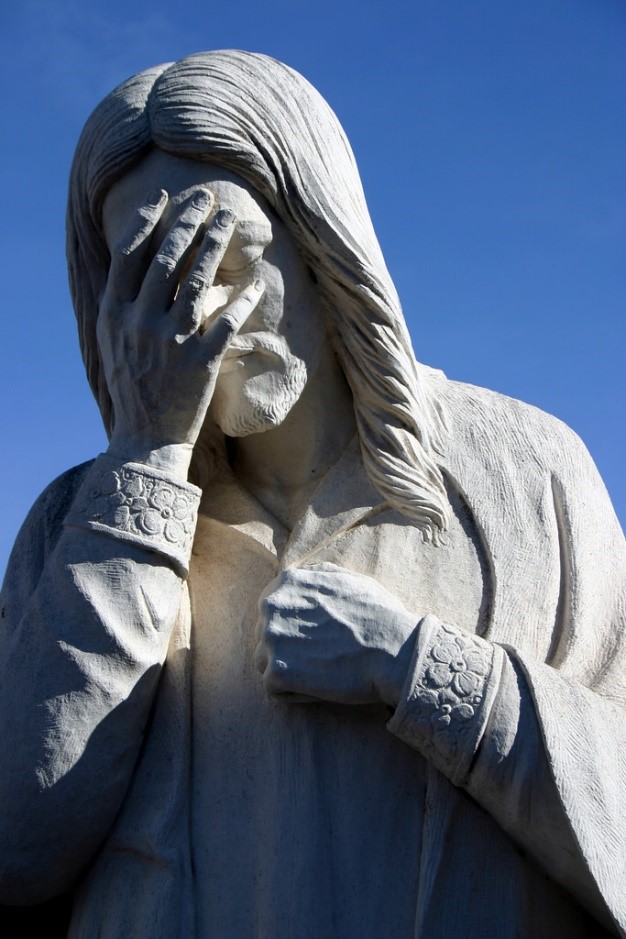
Rom 8:26 “Likewise the Spirit helps us in our weakness. For we do not know what to pray for as we ought, but the Spirit himself intercedes for us with groanings too deep for words.” A recent post on social media mentioned an interview with NT Wright (A Deep-Dive into the Book of Romans: Dr. N.T. Wright – Theology in the Raw) in which he makes a point regarding the above (and other Romans’) passages of Paul that for me was both startling and eye-opening. Let’s look at Wright’s narrative of the Romans story, and unpack his startling point.
-
Developing Spiritual Fitness

Most of us think about our spiritual lives (when we think of them at all) as cerebral, passive things: things that just are, likely supported by some “quiet time”, perhaps some Bible reading, and prayer. However, our spiritual strength is only truly developed when, like a muscle in our body, it is stressed, and stressed repeatedly.
-
Interpreting the New Covenant
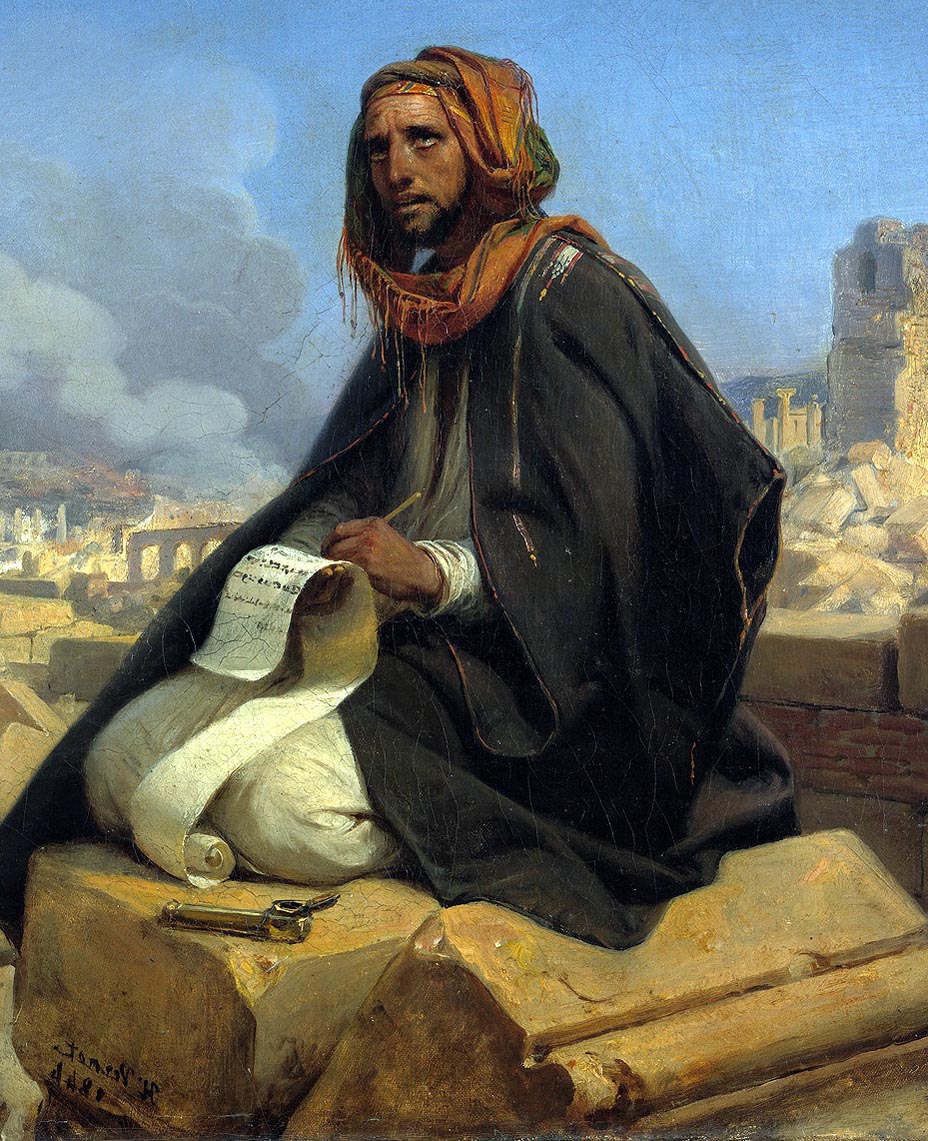
There is substantial controversy surrounding the proper interpretation of the announcement of a New Covenant between God and Israel and Judah (Je 31:31-34, Ezk 36:24-28). Both the Jewish and Christian interpreters spin its interpretation to suit their theological views, leaving no consensus. Let’s see if by working through the texts we can discover the truth.
-
John’s Identification of Jesus

The book of John is the fourth of four Gospels of Jesus Christ and is unique among those in its portrayal of the story. John doesn’t so much focus on narrating a history of what Jesus did, as is common in Matthew, Mark, and Luke, but on proclaiming who Jesus was, and what His life, death, and resurrection meant. In this note, we’ll briefly look at how John saw Jesus in relation to God, typically identified as “God the Father” in our English translations.
-
A Critical Analysis of Eastern Orthodox Beliefs

In way of introduction, I have been forming my Christian beliefs, in some cases based on other’s views, in others personal study, for now some 20+ years. Recently, I have explored some of the beliefs and doctrines of the Eastern Orthodox Church, and, surprisingly perhaps, have found substantial overlap with my own. I say surprisingly, because I have never experienced any teaching of the Orthodox Church, a Church who claims its beliefs to be the authentic beliefs of the very earliest Christians. I would characterize my own beliefs as still shackled in some ways to traditional Western Christian doctrines (e.g.,…
-
The “X-Files” of the Tanakh

There is some very strange stuff going on, semantically, in the Tanakh – the Old Testament. Our English translations hide much of it, allowing us to blithely assume that unclear verses are either just poorly translated or, perhaps, intended to be purposefully obscure. But, what if their obscurity/ambiguity reveals some much deeper meaning than simply the literal texts in which they appear? And, if there is a deeper meaning, what could it be, and what is it likely to be?
-
Being a Disciple

Not many self-proclaimed Christians these days would claim the mantle of “Disciple”. They think those were the twelve guys who followed Jesus around (or were they Apostles?). Most have no idea what the term means and what is, therefore, involved in actually becoming one.
-
Belief, and the Indwelling of the Holy Spirit

There appears to be in the Christian church today a profound misunderstanding of the working of Salvation in the Christian’s life. On the one hand, we have the tried and true fundamental statement of salvation found in Paul’s epistle to the Ephesians (2:8): For by grace you have been saved through faith. And this is not your own doing; it is the gift of God, not a result of works, so that no one may boast. When one hears and receives this glorious proclamation, he breathes a groaning sigh of relief. “I no longer have to strive to please God…