Tag: The Message of the New Testament
-
Jesus in Light of Paul in Light of Jesus

There has been a long-running tradition in scholarship of complaining that Paul tried to establish his own religion apart from the teachings of Jesus. I claim this is a position of ignorance, and perhaps academic agenda, not because Jesus’ and Paul’s words aren’t different – they are. But, rather, because they simply haven’t understood how the two messages interoperate within the context of the larger plan of God. In this larger context, of God’s redemption of Israel and the world to Himself, their messages were a duality, with one integrally supporting the other.
-
Jesus in Light of Paul in Light of Jesus

There has been a long-running tradition in scholarship of complaining that Paul tried to establish his own religion apart from the teachings of Jesus. I claim this is a position of ignorance, and perhaps academic agenda, not because Jesus’ and Paul’s words aren’t different – they are. But, rather, because they simply haven’t understood how the two messages interoperate within the context of the larger plan of God. In this larger context, of God’s redemption of Israel and the world to Himself, their messages were a duality, with one integrally supporting the other.
-
Refuting Paul’s Attackers
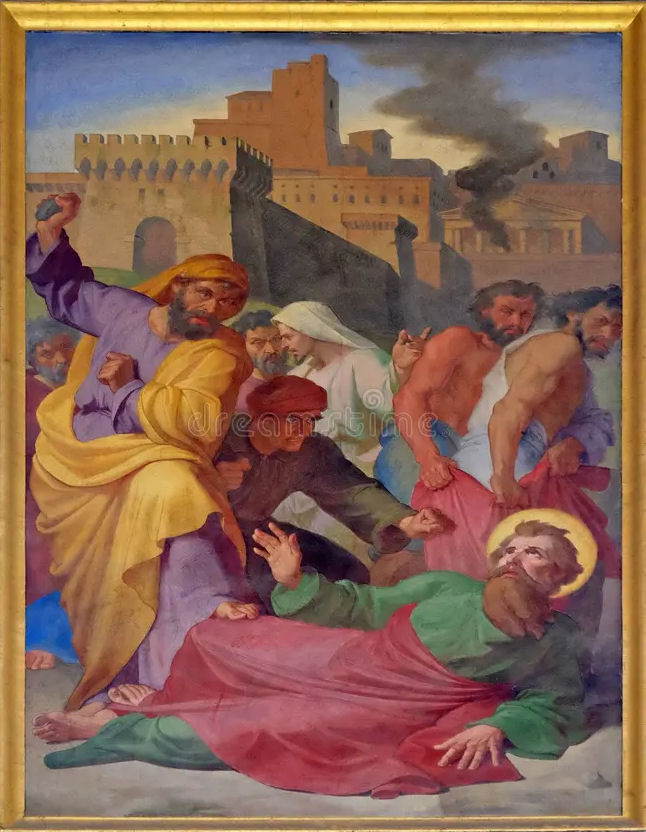
The Apostle Paul has gotten a bad rap for centuries, mostly based on his antagonists’ misunderstanding/ignorance. Our purpose here is to review the attacker’s charges in some detail and demonstrate why they’re mistaken. In so doing, we’ll look at his criticisms in antiquity from both Jewish-Christian and Gentile-only factions of the early church, as well as from contemporary critics who contend Paul’s messages are counter to Jesus’.
-
Refuting Paul’s Attackers

Introduction The Apostle Paul has gotten a bad rap for centuries, mostly based on his antagonists’ misunderstanding/ignorance. Our purpose here is to review the attacker’s charges in some detail and demonstrate why they’re mistaken. In so doing, we’ll look at his criticisms in antiquity from both Jewish-Christian and Gentile-only factions of the early church, as well as from contemporary critics who contend Paul’s messages are counter to Jesus’. Because there is so much ground to cover, I have broken this piece down into three semi-independent sections. The first will cover the objections raised by the third/fourth-century Jewish-Christian Pseudo-Clementine writings, and…
-
Learning the Real Paul (and Unlearning What You’ve Been Taught)

Scholars and expositors have been mangling Paul’s message in his epistles (particularly Romans) for centuries. If we are to see Paul’s true message, we’re going to have to dig much more deeply into the text, and then unlearn nearly everything we thought we knew. No small undertaking. But in so doing, we will also see revealed the true Gospel message of not only the entire New Testament, but the Hebrew Bible as well, as one grand story. And once you’ve seen this story accurately, it is doctrine- and theology-upending to the point that you will never again read your Bible…
-
Learning the Real Paul (and Unlearning What You’ve Been Taught)

Scholars and expositors have been mangling Paul’s message in his epistles (particularly Romans) for centuries. If we are to see Paul’s true message, we’re going to have to dig much more deeply into the text, and then unlearn nearly everything we thought we knew. No small undertaking. But in so doing, we will also see revealed the true Gospel message of not only the entire New Testament, but the Hebrew Bible as well, as one grand story. And once you’ve seen this story accurately, it is doctrine- and theology-upending to the point that you will never again read your Bible…
-
The Letters of James and Paul — Different?
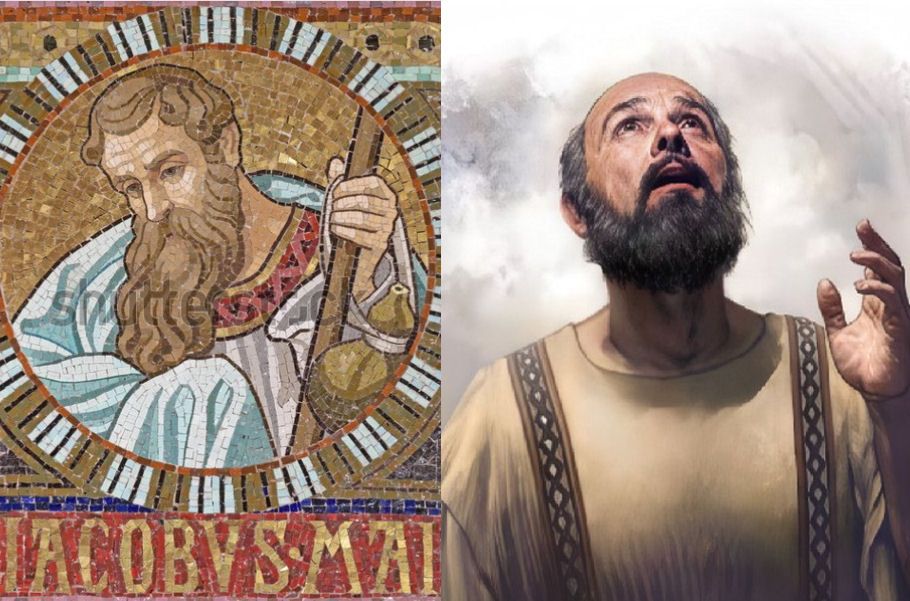
There is an undercurrent of opinion amongst scholars of the early Church and Bible students that James, the brother of Jesus, and Paul the Apostle proclaimed two different gospels – that the book of James contains an authentic look into 1st century Jewish Christianity and what his brother, Jesus, taught, while Paul’s epistles lay out a completely different “religion”. Some of these also believe that, since Paul wrote first, that aspects of his letters were borrowed by the Gospel writers, thus propagating the Paul version of Christianity throughout nearly the entire New Testament. Is this viewpoint correct?
-
The Letters of James and Paul — Different?

There is an undercurrent of opinion amongst scholars of the early Church and Bible students that James, the brother of Jesus, and Paul the Apostle proclaimed two different gospels – that the book of James contains an authentic look into 1st century Jewish Christianity and what his brother, Jesus, taught, while Paul’s epistles lay out a completely different “religion”. Some of these also believe that, since Paul wrote first, that aspects of his letters were borrowed by the Gospel writers, thus propagating the Paul version of Christianity throughout nearly the entire New Testament. Is this viewpoint correct?
-
Paul’s Real Gospel

When you hear a respected biblical scholar reinforcing with conviction what you’ve been learning – and teaching – for the last ten or twenty years, it’s a big deal, not to mention quite the affirmation. Such was my case in coming across a lecture by Dr. Jason Staples (one of my favorite New Testament scholars) in 2024 entitled “Salvation by Moral Transformation: What Paul Really Meant by Grace”. Not to be too dramatic but Staples’ insights into Paul’s real message will be at least as explosive within the traditionalist community as was “The New Perspective on Paul”[i] of Messrs. NT…
-
Paul’s Real Gospel

When you hear a respected biblical scholar reinforcing with conviction what you’ve been learning – and teaching – for the last ten or twenty years, it’s a big deal, not to mention quite the affirmation. Such was my case in coming across a lecture by Dr. Jason Staples (one of my favorite New Testament scholars) in 2024 entitled “Salvation by Moral Transformation: What Paul Really Meant by Grace”. Not to be too dramatic but Staples’ insights into Paul’s real message will be at least as explosive within the traditionalist community as was “The New Perspective on Paul”[i] of Messrs. NT…
-
Jesus’ Fulfillments

In this piece, we’ll drill down into the claims of believers that Jesus, as the Christ – the Messiah, was the fulfillment not only of the Hebrew Bible’s Messianic prophecies, but further that He was the fulfillment of its “Law” and “the Prophets”, and, perhaps most controversially, of Israel itself, as well as inaugurating the New Covenant prophecies it proclaims.
-
Jesus’ Fulfillments

In this piece, we’ll drill down into the claims of believers that Jesus, as the Christ – the Messiah, was the fulfillment not only of the Hebrew Bible’s Messianic prophecies, but further that He was the fulfillment of its “Law” and “the Prophets”, and, perhaps most controversially, of Israel itself, as well as inaugurating the New Covenant prophecies it proclaims.
-
Does Paul’s Potter/Clay Metaphor Say What Christians Think It Says?

In Romans 9:18-23, Paul gives us a very sparse but dense (contextually) metaphor describing God as a potter working on “vessels” that in one case turn out “for blessing” and in others, turn out “for destruction”. Is Paul saying what traditionally has been believed he is saying? Let’s see.
-
Does Paul’s Potter/Clay Metaphor Say What Christians Think It Says?

In Romans 9:18-23, Paul gives us a very sparse but dense (contextually) metaphor describing God as a potter working on “vessels” that in one case turn out “for blessing” and in others, turn out “for destruction”. Is Paul saying what traditionally has been believed he is saying? Let’s see.
-
What Did the “Law of Moses” Mean To…?
This post presents a three-part series looking at what the term “Law of Moses” (and similar) meant to different people at different times in the Bible; 1) The Israelites, at various points in their history, 2) Jesus (in His many interactions with others involving His understanding of its meaning), and 3) Paul, who infamously dismissed “works of the law” as valid for justification of his Jewish brethren.
-
What Did the “Law of Moses” Mean to — Paul?

Paul is an enigmatic and thoroughly fascinating man. His understanding, but particularly his judgment, of the “Law”, a.k.a the “Law of Moses” has been hotly debated for centuries, especially within the context of the Reformation’s insight into God’s Grace as all-sufficient for, and therefore independent of, one’s obedience to this thing called “the Law”. In trying to understand Paul’s views of the law, many find it useful to see his thinking as motivated by the proposition: “If the Christ came and died for us, what must have been wrong under the law?”
-
What Did the “Law of Moses” Mean to — Jesus?
Now the question we’ll ask is: “What was the Law of Moses to Jesus?” In other words, when Jesus thought that phrase or was asked some question about it, what “law” was called to His mind? You may think that a strange question. After all, didn’t we just establish that to Israel at the turn of the millennium, the “Law of Moses” was considered to be the entire Pentateuch? Why would Jesus see it any differently?
-
Searching For (and Finding) the “Needle in the Biblical Haystack”: Following the Bible’s “Blue Thread”

Our premise in what follows is that there is a unified message permeating throughout the entire Bible: both the Hebrew Bible and New Testament. That message represents God’s “signal” concerning how we are to treat Him (love and reverence), and each other (love, as we love ourselves). But His signal must penetrate through lots of modern distractions and Biblical texts that have little, if anything, to do with living in accordance with God’s will and with one another in love. Thus, they are “noise” obscuring His signal.
-
Searching For (and Finding) the “Needle in the Biblical Haystack”: Following the Bible’s “Blue Thread”

Our premise in what follows is that there is a unified message permeating throughout the entire Bible: both the Hebrew Bible and New Testament. That message represents God’s “signal” concerning how we are to treat Him (love and reverence), and each other (love, as we love ourselves). But His signal must penetrate through lots of modern distractions and biblical texts that have little, if anything, to do with living in accordance with God’s will and with one another in love. Thus, they are “noise” obscuring His signal.
-
Jesus’ Interpretation of OT Verses Significant to the Blue Thread

Jesus’ Interpretation of OT Verses Significant to the Blue Thread
-
Jesus and the Moses Scroll

Our purpose here is to compare and contrast the “Ten Words” (Decalogue) found in the “Moses Scroll” (MS) with both of the other canonical versions found in Exodus and Deuteronomy, but also with the teachings of Jesus. We’ll see if the nuances in the MS Ten Words (and their blessings and curses) can also be detected in Jesus’ teachings. And if they can, can we propose how such a linkage could exist when at the same time it is missing or much harder to find between our published versions of the Decalogue? Let’s see.
-
Ruminate on God’s Word

Recently Steve Gregg visited my area and presented a message to a Christian fellowship here. His subject was the change that we are expected to undergo having committed ourselves to Christ. But it was a metaphor he used in his message that I thought was stunning in its clarity, and worth sharing with those both familiar, and not yet familiar, with Steve’s teachings.
-
Ruminate on God’s Word

Recently Steve Gregg visited my area and presented a message to a Christian fellowship here. His subject was the change that we are expected to undergo having committed ourselves to Christ. But it was a metaphor he used in his message that I thought was stunning in its clarity, and worth sharing with those both familiar, and not yet familiar, with Steve’s teachings.
-
How Jesus Taught
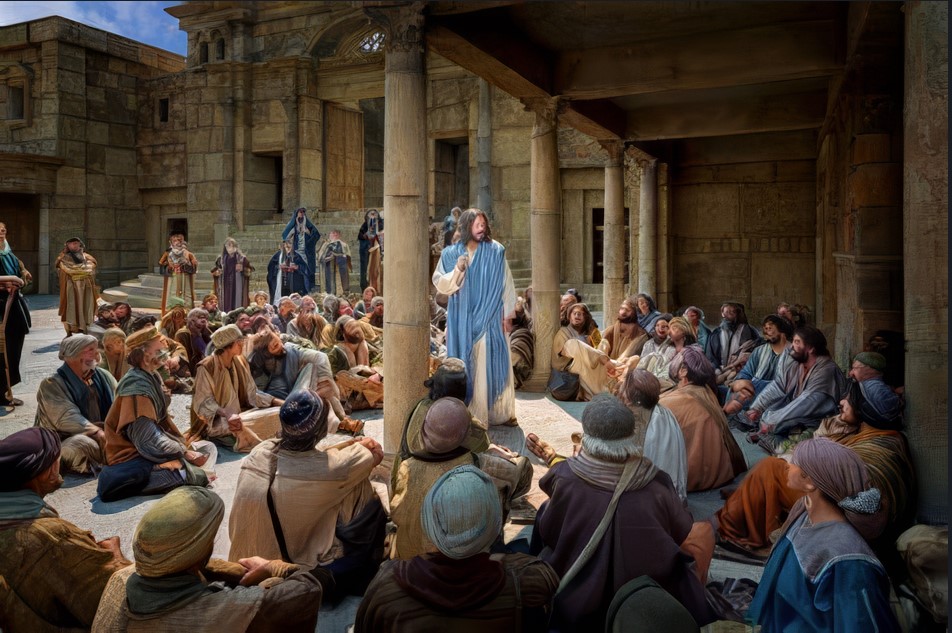
When we read Jesus teaching in the New Testament, we know instinctively that He is speaking and teaching differently than we do today in the modern West. How is it different? What influenced His teaching “style” that we have become so familiar with over the years, but remains so distinctively “foreign” to our modern, Western ears. That’s what we’ll dig into and explain.
-
How Jesus Taught

When we read Jesus teaching in the New Testament, we know instinctively that He is speaking and teaching differently than we do today in the modern West. How is it different? What influenced His teaching “style” that we have become so familiar with over the years, but remains so distinctively “foreign” to our modern, Western ears. That’s what we’ll dig into and explain.
-
Fishers of Men

There is an intriguing connection, as pointed out by my friend and Hebrew Bible teacher, Ross K. Nichols, between some of the Hebrew Bible’s prophecies, describing a regathering set off by phrases placing that regathering in the “latter”/”last”/”days to come”, and Jesus’ statement that He would make His Disciples (the fishermen Simon (Peter) and his brother Andrew while they were in the process of fishing) “fishers of men” (Mt. 4:19). Question: Was Jesus simply using the obvious metaphor that those Disciples were vocationally already fishermen to connect the mission He was inviting them to take up? Or is there some…
-
Fishers of Men

There is an intriguing connection, as pointed out by my friend and Hebrew Bible teacher, Ross K. Nichols, between some of the Hebrew Bible’s prophecies, describing a regathering set off by phrases placing that regathering in the “latter”/”last”/”days to come”, and Jesus’ statement that He would make His Disciples (the fishermen Simon (Peter) and his brother Andrew while they were in the process of fishing) “fishers of men” (Mt. 4:19). Question: Was Jesus simply using the obvious metaphor that those Disciples were vocationally already fishermen to connect the mission He was inviting them to take up? Or is there some…
-
Groaning With the Spirit

Rom 8:26 “Likewise the Spirit helps us in our weakness. For we do not know what to pray for as we ought, but the Spirit himself intercedes for us with groanings too deep for words.” A recent post on social media mentioned an interview with NT Wright (A Deep-Dive into the Book of Romans: Dr. N.T. Wright – Theology in the Raw) in which he makes a point regarding the above (and other Romans’) passages of Paul that for me was both startling and eye-opening. Let’s look at Wright’s narrative of the Romans story, and unpack his startling point.
-
Groaning With the Spirit

Rom 8:26 “Likewise the Spirit helps us in our weakness. For we do not know what to pray for as we ought, but the Spirit himself intercedes for us with groanings too deep for words.” A recent post on social media mentioned an interview with NT Wright (A Deep-Dive into the Book of Romans: Dr. N.T. Wright – Theology in the Raw) in which he makes a point regarding the above (and other Romans’) passages of Paul that for me was both startling and eye-opening. Let’s look at Wright’s narrative of the Romans story, and unpack his startling point.
-
The Kingdom of God

Who believes they have a sound, well-supported understanding of what Jesus was talking about when He taught on the Kingdom of God/the Heavens? I thought I did. And I almost did. But one of its key characteristics – when it started – I have been completely mistaken about.
-
The Kingdom of God

Who believes they have a sound, well-supported understanding of what Jesus was talking about when He taught on the Kingdom of God/the Heavens? I thought I did. And I almost did. But one of its key characteristics – when it started – I have been completely mistaken about.
-
New Testament Uses of Old Testament Texts

How much do you know about the nature of references made by New Testament authors to Old Testament scripture? It turns out that there is an entire academic field centered on the study of this subject. And, there seems to be at least two conflicting views among scholars of these New Testament (NT) citations of Old Testament (OT) texts.
-
New Testament Uses of Old Testament Texts

How much do you know about the nature of references made by New Testament authors to Old Testament scripture? It turns out that there is an entire academic field centered on the study of this subject. And, there seems to be at least two conflicting views among scholars of these New Testament (NT) citations of Old Testament (OT) texts.
-
The “Fulfillment” of Scripture

Luke 4:[17] And the scroll of the prophet Isaiah was given to him. He unrolled the scroll and found the place where it was written, [18] “The Spirit of the Lord is upon me, because he has anointed me to proclaim good news to the poor. He has sent me to proclaim liberty to the captives and recovering of sight to the blind, to set at liberty those who are oppressed, [19] to proclaim the year of the Lord’s favor.” [20] And he rolled up the scroll and gave it back to the attendant and sat down. And the eyes…
-
The “Fulfillment” of Scripture

Luke 4:[17] And the scroll of the prophet Isaiah was given to him. He unrolled the scroll and found the place where it was written, [18] “The Spirit of the Lord is upon me, because he has anointed me to proclaim good news to the poor. He has sent me to proclaim liberty to the captives and recovering of sight to the blind, to set at liberty those who are oppressed, [19] to proclaim the year of the Lord’s favor.” [20] And he rolled up the scroll and gave it back to the attendant and sat down. And the eyes…
-
Jesus and Paul
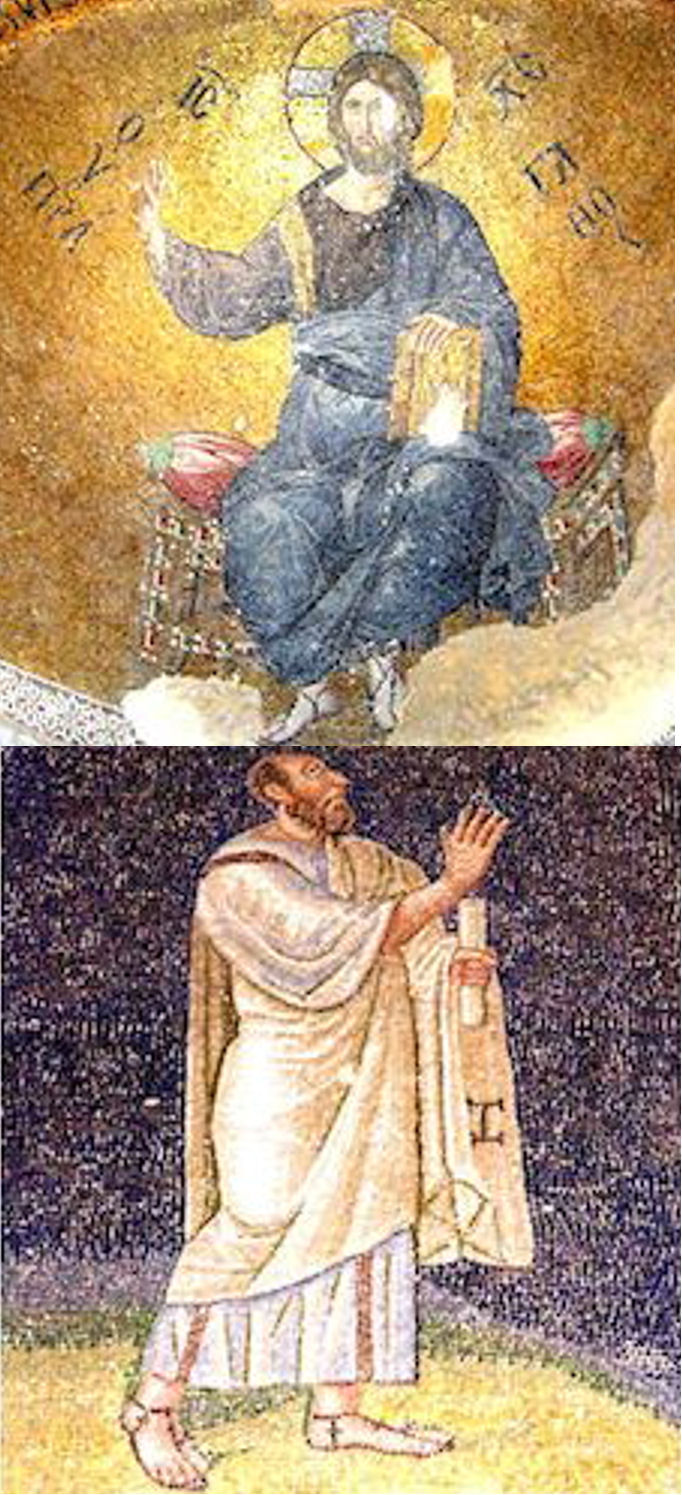
Dozens of books and hundreds of scholarly papers have been written on the subject of the differences in the ministry messages of Paul and Jesus. Some gloss over the differences in their attempt to maintain a united Christian front. But others use the differences to claim that Paul, not Jesus, is the real founder of Christianity and its “through grace by faith” message and that this Christianity is unfaithful to Jesus’ authentic version. The purpose of this note is not to reconcile these differences but rather to pay attention to the historical context into which they were each proclaimed. In…
-
Jesus and Paul

Dozens of books and hundreds of scholarly papers have been written on the subject of the differences in the ministry messages of Paul and Jesus. Some gloss over the differences in their attempt to maintain a united Christian front. But others use the differences to claim that Paul, not Jesus, is the real founder of Christianity and its “through grace by faith” message and that this Christianity is unfaithful to Jesus’ authentic version. The purpose of this note is not to reconcile these differences but rather to pay attention to the historical context into which they were each proclaimed. In…
-
The Lesson of Ecclesiastes

Those somewhat familiar with the book of Ecclesiastes know that its headline message is encapsulated in its second verse, Ec 1:2: [2] Vanity of vanities, says the Preacher, vanity of vanities! All is vanity. The book’s Hebrew title is Qoheleth[i] whose meaning roughly is “an expounder of wisdom”, the narrator of the book.
-
Freedom, in Paul

Countless words have been spilled analyzing and debating Paul’s intended meaning of the phrase “works of the Law”, and his theological treatment of the Law itself. In contrast, far fewer words have been spilled analyzing and exploring Paul’s concept of the “freedom” he ascribes to those “in Christ”. Our intention here is to show the relationship between these two concepts and, in so doing, dispel some pervasive misunderstandings, at least among evangelicals.
-
Freedom, in Paul

Countless words have been spilled analyzing and debating Paul’s intended meaning of the phrase “works of the Law”, and his theological treatment of the Law itself. In contrast, far fewer words have been spilled analyzing and exploring Paul’s concept of the “freedom” he ascribes to those “in Christ”. Our intention here is to show the relationship between these two concepts and, in so doing, dispel some pervasive misunderstandings, at least among evangelicals.
-
The Parable of the Shrewd Manager
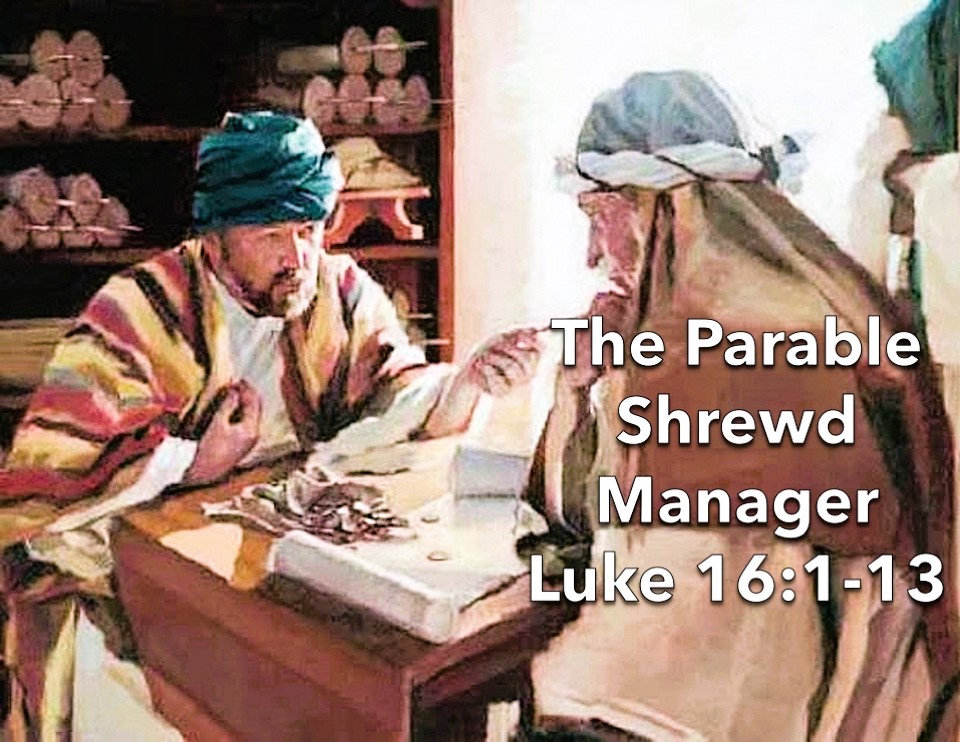
One of the most obscure parables Jesus related to His Disciples is found in Luke 16:1-13. The average Bible reader is left scratching his head as to what on earth Jesus is doing in this parable in which He lauds what seems to be deceitful behavior by the discredited manager of his rich master’s accounts. But once the reader sees the intended lesson, he is convicted by its message. Let’s see if we can’t unpack that message here.
-
The Parable of the Shrewd Manager

One of the most obscure parables Jesus related to His Disciples is found in Luke 16:1-13. The average Bible reader is left scratching his head as to what on earth Jesus is doing in this parable in which He lauds what seems to be deceitful behavior by the discredited manager of his rich master’s accounts. But once the reader sees the intended lesson, he is convicted by its message. Let’s see if we can’t unpack that message here.
-
Searching for a Consistent Biblical God

I wonder how many people have been thrown off of their inevitable search for God by what they perceive as not just the inconsistency of the characterization of God in the Bible’s Old Testament compared to His portrayal in the New, but by His seemingly severe, some would say immoral, characterization in the Old Testament. Wouldn’t it be wonderful if we could find and describe one, integrated, consistent whole of the Divine Nature across the entire Bible? Imagine being able to perceive God’s essential God-ness through a new lens, and so enable others to see beyond their personal prejudices. Looking…
-
Searching for a Consistent Biblical God

I wonder how many people have been thrown off of their inevitable search for God by what they perceive as not just the inconsistency of the characterization of God in the Bible’s Old Testament compared to His portrayal in the New, but by His seemingly severe, some would say immoral, characterization in the Old Testament. Wouldn’t it be wonderful if we could find and describe one, integrated, consistent whole of the Divine Nature across the entire Bible? Imagine being able to perceive God’s essential God-ness through a new lens, and so enable others to see beyond their personal prejudices. Looking…
-
New Perspective on Paul: Interpretations

Issue/Question Traditional New 1 Basis of justification by grace you have been saved through faith. by grace you have been saved through faith. 2 What is faith? faith = agreement that Jesus is the Messiah, the Son of God faith = taking the control of your life from yourself and handing it, instead, to God. Faith and repentance are two sides of the same coin. 3 What are “Works of the law” to Paul? Moral efforts by individuals to achieve “rightness” before God The practices and cultural traditions of Jews to preserve their identity in the Old Covenant as the chosen of…
-
New Life in the Kingdom of God

In the second three chapters of Ephesians, Paul casts his revolutionized view of human life and interrelationships that, as much as any portion of his epistles, brings into sharp focus the life transformation that followers of Christ should both expect and strive for.
-
Paul’s Apocalypse of Christ

In his letter to the Ephesian church, the Apostle Paul reveals that for millennia God had knowledge kept secret that suddenly, through Christ, had been revealed, first to Christ’s Apostles, and then to those to whom they preached. The revelation of this secret, this μυστήριον mustḗrion, was for Paul the life- and reality-shattering apocalypse of Christ.
-
Paul’s Apocalypse of Christ

In his letter to the Ephesian church, the Apostle Paul reveals that for millennia God had knowledge kept secret that suddenly, through Christ, had been revealed, first to Christ’s Apostles, and then to those to whom they preached. The revelation of this secret, this μυστήριον mustḗrion, was for Paul the life- and reality-shattering apocalypse of Christ.
-
A Defense of God’s Character From Calvinists

Calvinism defames and assaults the character of God. Here’s how.
-
A Defense of God’s Character From Calvinists

“Now…he [God] arranges all things by his sovereign counsel, in such a way that individuals are born, who are doomed from the womb to certain death, and are to glorify him by their destruction…. If your mind is troubled, decline not to embrace the counsel of Augustine….”
-
The Law of Faith

Paul in Romans 3:27 says: Then what becomes of our boasting? It is excluded. By what kind of law? By a law of works? No, but by the law of faith. Unfortunately, Paul never explicitly tells us what this law is that he is referring to (this is the only occurrence of the phrase not only in Romans, but in the entire Bible.) In order to understand his meaning, we’re going to have to do a bit of exegetical work on the argument he is waging in Romans 3 and preceding.
-
The Law of Faith

Paul in Romans 3:27 says: Then what becomes of our boasting? It is excluded. By what kind of law? By a law of works? No, but by the law of faith. Unfortunately, Paul never explicitly tells us what this law is that he is referring to (this is the only occurrence of the phrase not only in Romans, but in the entire Bible.) In order to understand his meaning, we’re going to have to do a bit of exegetical work on the argument he is waging in Romans 3 and preceding.
-
The Obedience of Faith
In this note we’ll look at this imperative of obedience to Christ as portrayed in the Bible, and uncover some insight into what the Bible means by “obedience” and “believe”.
-
The Obedience of Faith

In this note we’ll look at this imperative of obedience to Christ as portrayed in the Bible, and uncover some insight into what the Bible means by “obedience” and “believe”.
-
Recovering the Gospel – II

Here I want to look at, to the degree we can, how Jesus Himself thought about the Gospel He was bringing. What did He think the Gospel was that He was bringing, and, more importantly for our present situation, how did He see it being enacted?
-
Recovering the Gospel – I

When you hear the term “Gospel”, what story or message comes to mind? When you hear the statement “Believe and be saved”, what does “believe” mean to you? And when you read: “For by grace you have been saved through faith”, what is your understanding of what “faith” looks like?
-
Recovering the Gospel – I

When you hear the term “Gospel”, what story or message comes to mind? When you hear the statement “Believe and be saved”, what does “believe” mean to you? And when you read: “For by grace you have been saved through faith”, what is your understanding of what “faith” looks like?
-
Recovering the Gospel – II

Here I want to look at, to the degree we can, how Jesus Himself thought about the Gospel He was bringing. What did He think the Gospel was that He was bringing, and, more importantly for our present situation, how did He see it being enacted?
-
A Fresh Look at Paul

What was Paul teaching us in his epistles? Ever since Martin Luther and the Reformation he inspired 500 years ago, we’ve thought we knew. However, in the last 30 years, a different understanding has been proposed as the result of research to understand Jewish thinking on their relationship to God in first-century Israel, so that Paul’s messages could be interpreted within this context that surrounded him.
-
A Fresh Look at Paul

What was Paul teaching us in his epistles? Ever since Martin Luther and the Reformation he inspired 500 years ago, we’ve thought we knew. However, in the last 30 years, a different understanding has been proposed as the result of research to understand Jewish thinking on their relationship to God in first-century Israel, so that Paul’s messages could be interpreted within this context that surrounded him.
-
Man in God Is Immortal

Times of uncertainty, like those we find ourselves in in the Spring of 2020, bring stress on both the believer and the unbeliever. For the one who believes in the Son, however, he knows that he has the assurance of God that he will share in His eternal life (1 John 5:11-13, John 6:47, Romans 8:38-39). So the Christ-follower does not share in the culture’s dread of sickness and death.
-
Biblical Love

In the Bible the people of God are commanded to love Him (Deut 6:5, 11:13, 30:6, Mt 22:37) and love their neighbors (Lev 19:34, Mt 22:39-40), whether those neighbors are love-able or not. But what is Biblical love? And how do we get it, and give it away[i]?
-
Biblical Love

In the Bible the people of God are commanded to love Him (Deut 6:5, 11:13, 30:6, Mt 22:37) and love their neighbors (Lev 19:34, Mt 22:39-40), whether those neighbors are love-able or not. But what is biblical love? And how do we get it, and give it away[i]?
-
The Parables of the Treasure and Pearl

What did Jesus intend for His audience to understand from these similes?
-
The Parables of the Treasure and Pearl

What did Jesus intend for His audience to understand from these similes?
-
Creation: A Design for Glory

There is a newly popular[i] branch of Christian theology (1980’s), called “Open Theism” (OT) that asserts that God does not “know” the future because the future isn’t a reality that can be, therefore, known. It is merely a range of possible realities.
-
Hearing the Good News

Most modern western Christians miss what the Bible has to say about its good news – the Gospel of Christ. It’s right there in black and white. But somehow they miss it – read right past it. How does this happen?
-
Hearing the Good News

Most modern western Christians miss what the Bible has to say about its good news – the Gospel of Christ. It’s right there in black and white. But somehow they miss it – read right past it. How does this happen?
-
God’s Calling to Himself

[7] Therefore, as the Holy Spirit says, “Today, if you hear his voice, [8] do not harden your hearts as in the rebellion, on the day of testing in the wilderness,
-
God’s Calling to Himself

When you read something in the Bible, perhaps for the umpteenth time, but suddenly it communicates something new to you, you pay attention. Such was the case when I ran across (on my way to researching a completely different topic) these verses in Hebrews 3:7-8:
-
Christianity for Dummies

What is Christianity, really, and what do Christians believe and how do they live? There are lots of platitudes and stereotypes around, but very little real understanding. The purpose of this note is to try to cut through the misunderstanding and answer these and other related questions in simple, direct and common language.
-
Christianity for Dummies

What is Christianity, really, and what do Christians believe and how do they live? There are lots of platitudes and stereotypes around, but very little real understanding. The purpose of this note is to try to cut through the misunderstanding and answer these and other related questions in simple, direct and common language.
-
Not One Stone Left Upon Another

Do you know why God had to see to the destruction of the Jerusalem Temple? I didn’t.
-
Not One Stone Left Upon Another

In the synoptic gospels (Matthew 24:2, Mark 13:2, Luke 21:6) we have Jesus announcing to His disciples, and everyone within earshot on the Temple Mount, that all the stones of the Temple complex would be thrown down, and “not one stone left upon another”. Was this just a forecast of the future? Or was there something more profound in this pronouncement?
-
The Jewish and Christian God

Jews and Christians have almost nothing in common except their God. He is one and the same God.
-
Seek First the Kingdom of God

Not all Christians experience the same quality of spiritual life. For some, their lives are joyful, full of confidence, full of assurance of their acceptance and eventual reward, and full to overflowing with the Spirit of God, to the point that they feel compelled to give it away to those around them. For others, life is more measured, perhaps a bit more stressful, containing more concern, at least to a degree, for some of the things in their lives, resulting in worry. They are somewhat discouraged by the lack of spiritual “fruit” in their lives. They want to love, and…
-
Seek First the Kingdom of God

Why is the one life blessed so abundantly, while the other seems unfulfilled?
-
Belief, and the Indwelling of the Holy Spirit

There appears to be in the Christian church today a profound misunderstanding of the working of Salvation in the Christian’s life. On the one hand, we have the tried and true fundamental statement of salvation found in Paul’s epistle to the Ephesians (2:8): For by grace you have been saved through faith. And this is not your own doing; it is the gift of God, not a result of works, so that no one may boast. When one hears and receives this glorious proclamation, he breathes a groaning sigh of relief. “I no longer have to strive to please God…
-
Belief, and the Indwelling of the Holy Spirit

There appears to be in the Christian church today a profound misunderstanding of the working of Salvation in the Christian’s life.
-
Free Will?

If God decided the destiny of every person that would ever live before the foundation of the world, why bother exhorting people to change their lives? If God directs every (significant) action and outcome of everyone’s life, why tell them to change? They’re just doing what God specifies they do. If God didn’t provide humans with free will, why then spend many Biblical books appealing to those same wills to change what they think and believe, telling them what they should choose to think and believe instead?
-
Blessing

A local church here has an Egyptian associate pastor with a ministry to local Arabs. In his message this week, he provided a wonderful insight into the word we see as “bless” in the Bible.
-
A Conversation with God

What do you do when you’ve studied the Bible for a few decades, had a lifetime of Sunday morning messages, and you’ve still got a few questions? Well, I decided to go straight to the Source. Fortunately God had a few minutes He could spare. So He agreed to sit down and listen to my questions (He didn’t say He’d answer them all), to try to help me out. Here is the result.
-
The Grace of God

The grace of God is widely misunderstood by Christians today. I misunderstood it for decades, to my humiliation. So I can easily understand why and how others can be misled.
-
The Grace of God

The grace of God is widely misunderstood by Christians today. I misunderstood it for decades, to my humiliation. So I can easily understand why and how others can be misled. In searching for a definition, the one that I feel best describes its efficacy is provided by Dallas Willard: “Grace is the action of God in our lives to accomplish what we cannot do on our own.”
-
Redeem the Time

I recently watched this message from Dallas Willard delivered to an audience at Westmont College in 2011. Most of what Willard has to say in all of his books and talks rivets my attention. But this one particularly grabbed me. It is definitely worth submitting it to careful review, particularly as we commemorate this Easter week.
-
The Bible

Is the Bible itself an evidence for God? Well, one would be hard-pressed to find another 2500-year-old document that continues to influence the moral behavior of millions of people daily.
-
The Christian Message and Its Story of God

So what is this Christian message, and why, for growing numbers of people today, has it been either ignored or judged irrelevant?
-
The Bible

Is the Bible itself an evidence for God? Well, one would be hard-pressed to find another 2500-year-old document that continues to influence the moral behavior of millions of people daily. Why do you suppose that is? Is it because standing against the cultural tide is somehow trendy? Or that dying to yourself so that you can live for God is somehow ‘cool’? Or, is it more likely that the Bible actually is God’s instruction for us, and that as a result, he has seen to its preservation for these millennia?
-
The Christian Message and Its Story of God

So what is this Christian message, and why, for growing numbers of people today, has it been either ignored or judged irrelevant?