
Tag: The Message of the Hebrew Bible
-
The Shema and the Commandment to Love God in Its Ancient Contexts
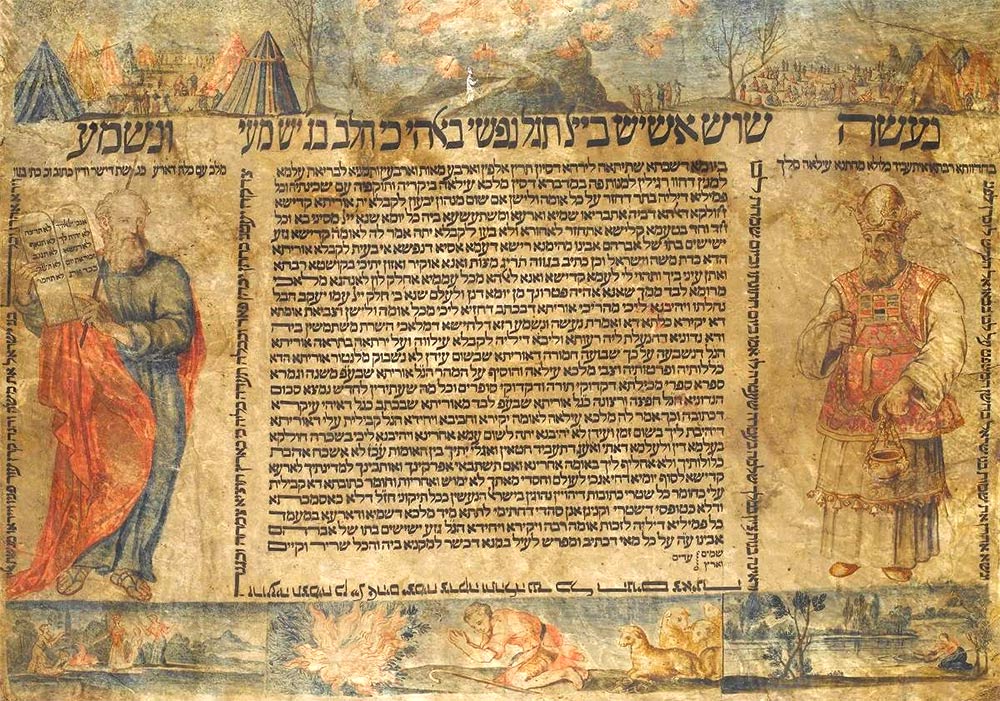
This is one of the most insightful essays I’ve read in a long time. This is a message that both Judaism and Christianity seem to have lost sight of.
-
How Judaism Was Subverted

Modern Judaism dates to the middle-ages. Before that came the Rabbinic Period, beginning in the first century. Before that was the period described as the “Late Second Temple” Period which included the Persian, Seleucid, Hasmonean and Roman occupation periods. Before that were the Babylonian exile and post-exilic periods, and before that the Assyrian obliteration of the northern tribes of the House of Israel. And before that? We simply don’t know. Because of sparse archaeological data, scholars dispute the historicity of David and Solomon, the conquest of Canaan, the Exodus, Moses’s upbringing in Pharaoh’s court, and the patriarchal sagas stretching back…
-
Why Priests and Sacrifices?
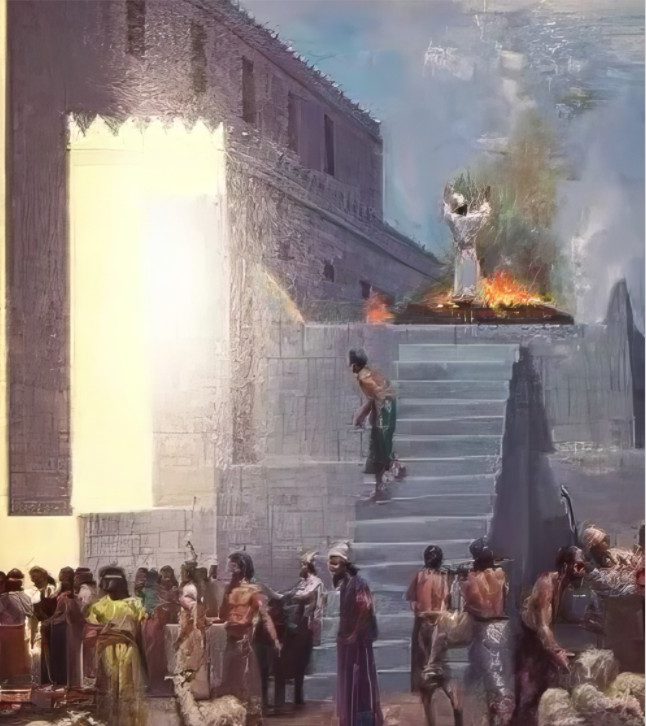
I have written several pieces explaining the fact that God, as He is recorded in the Hebrew Bible, did not want His people to perform sacrifices to Him. Yet the vast majority of the Pentateuch is all about sacrifices and offerings. Why?
-
The Priestly Slander of Moses
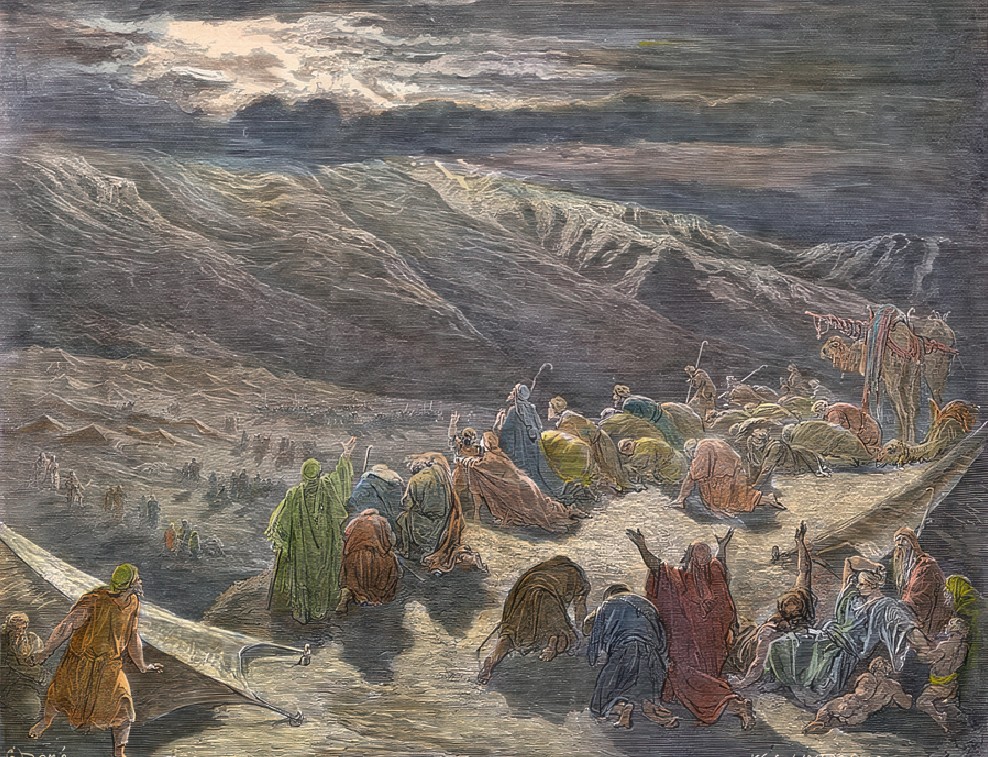
The Hebrew Bible presents conflicting political viewpoints between its authors. The priestly viewpoint seeks to distance itself (and its readers) from the mythic legacy of Moses as the redeemer of the nation of Israel and replace it with a system of abject reverence for, and obeisance to, the Aaronic priesthood. We’ll examine a few examples of how this conflict is played out in the text.
-
What Did the “Law of Moses” Mean to – the Israelites?
In this series we’re interested in answering the question: “What did the term ‘Law of Moses’” mean to various Biblical characters. The hope is that if we can build a picture of the meaning of that phrase to people in the Bible then we will be able to better understand their contexts, and the state of the text mentioned. Here we’re interested in what the Law of Moses meant to rank-and-file Israelites at various points in their history.
-
Tracing the Book of Moses
Time Period King Scripture Ref Scripture Text Comment 10th Century BC David 1 King 2:2-3 2 “I am about to go the way of all the earth. Be strong, and show yourself a man, 3 and keep the charge of the LORD your God, walking in his ways and keeping his statutes, his commandments, his rules, and his testimonies, as it is written in the Law of Moses, that you may prosper in all that you do and wherever you turn, David is admonishing Solomon before his death to walk in God’s ways, to keep His commandments, His rules, and…
-
Jesus and the Moses Scroll
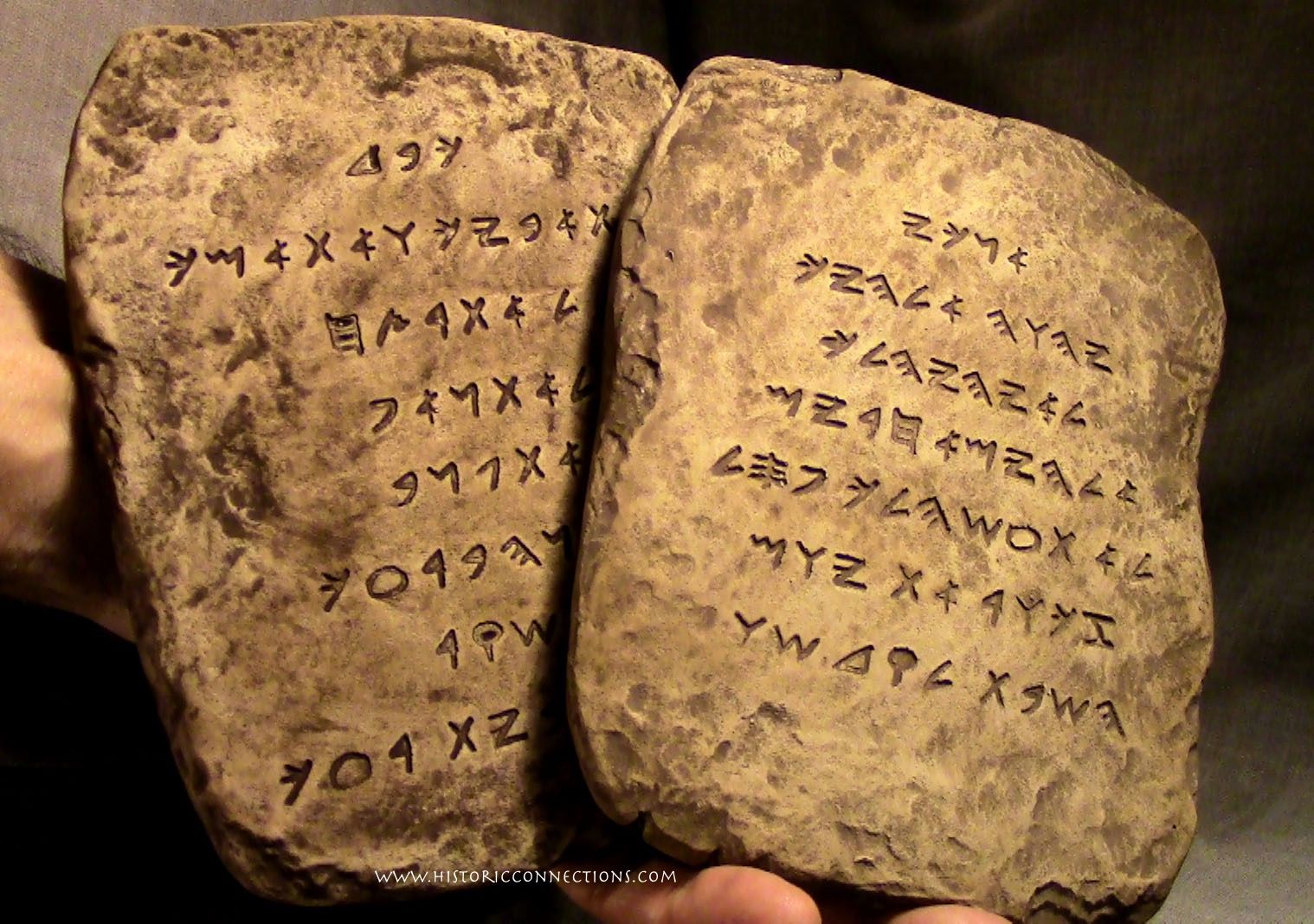
Our purpose here is to compare and contrast the “Ten Words” (Decalogue) found in the “Moses Scroll” (MS) with both of the other canonical versions found in Exodus and Deuteronomy, but also with the teachings of Jesus. We’ll see if the nuances in the MS Ten Words (and their blessings and curses) can also be detected in Jesus’ teachings. And if they can, can we propose how such a linkage could exist when at the same time it is missing or much harder to find between our published versions of the Decalogue? Let’s see.
-
God’s Issues With the Temple Cult

A casual reading of the Pentateuch leaves one with the impression that, for some unexplained reason, God created a line of priests to mediate between him and hs rescued Hebrews and laid out in meticulous detail an intricate and fully developed sacrificial system, tabernacle, and culture. A more careful reading, however, at the very least calls into question the God-ordained pedigree of these details and practices. Scholars, theologians, Rabbis and regular Bible readers have noted these issues for centuries[i],[ii]. And we know that we have biblical textual scholars telling us that most of the Pentateuch was authored between the 8th…
-
What, Or Who, Are the Bible’s Heavenly Beings?

One of the more obscure concepts in the Bible for me has been the idea of Heavenly beings. I say it is obscure because when they are mentioned in texts they remain quite enigmatic, and opinions among biblical scholars and theologians concerning the nature of these beings vary all over the map. In diving into this subject we have to keep in mind that the question is: “What was in the mind of the biblical authors when they referred to a ‘divine council’, or ‘sons of God’, or ‘hosts of heaven’”, NOT what the reality is (something I contend we…
-
Listen, Learn, Keep, Do
What were God’s instructions to His children? Moses thought they were crystal clear. They were the basis of God’s covenant with Israel. Where do we find these covenant teachings today? In significant part, they have been abandoned. Let’s take a look at what, according to Moses, the basic precepts of being “God’s people” involved[i], and why it was that Israel, as surrogates for all humanity, failed miserably at it.
-
Understanding the Language of “Day of the Lord”
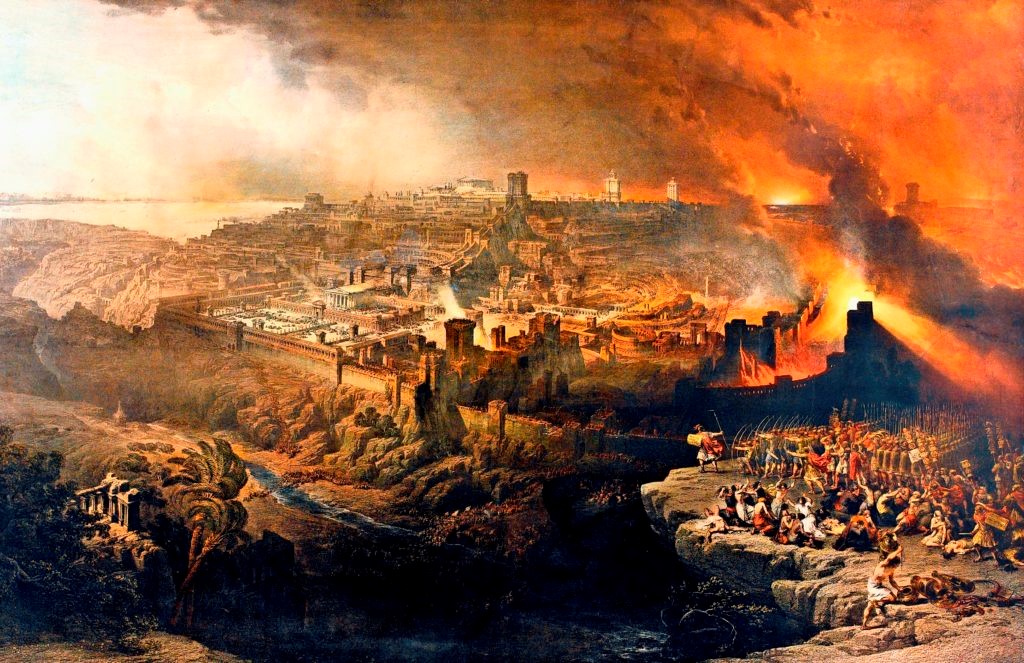
The prophecies that use the oft-repeated term “day of the Lord” in describing a pending judgment by God resulting, typically, in some cataclysm, are referred to as Day of the Lord (DOL) prophecies. Most of the occurrences within the Bible of the use of this phrase appear in the writings of the Minor Prophets: the so-called “Book of the Twelve”[i]. It’s not uncommon for a DOL prophet to mix separate prophecies having to do with two or more imminent, future, or far-future prophecies[ii]. When all these prophecies use elements of the same apocalyptic language to describe their events, it becomes…
-
Uncleanness, Sin, and Holiness in the Hebrew Bible
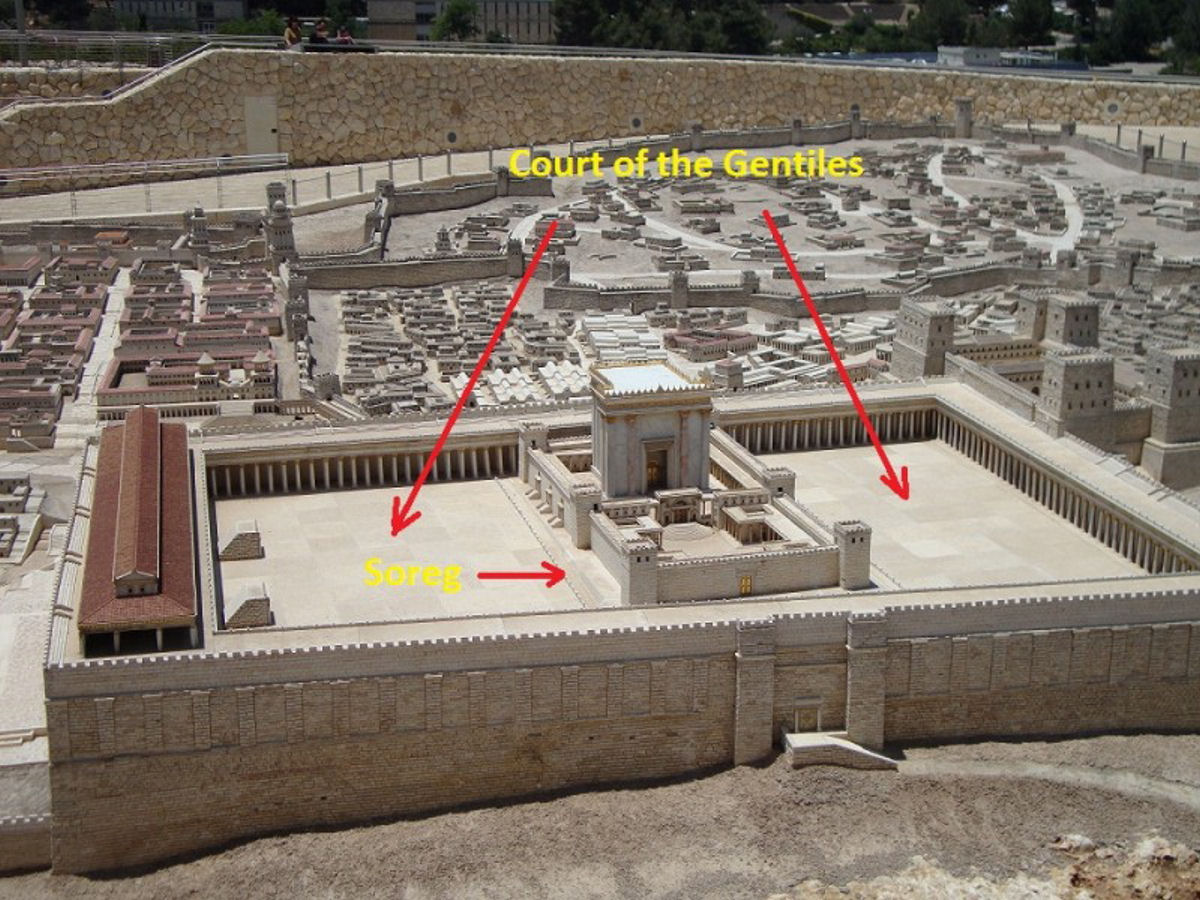
Most modern Christians (and essentially all unbelievers) misunderstand the key patterns used by the Hebrew Bible to convey the concepts related to Holiness. They tend to see a moral binary pattern that can be summarized as: “Holiness is the absence of Sin”. But that’s not the pattern that the ancient authors of the Torah were guided by. Certainly, there is a relationship between sin and holiness. But it’s just not the one we moderns think of. Let’s see what it is.
-
Some Narrative Patterns in the Hebrew Bible
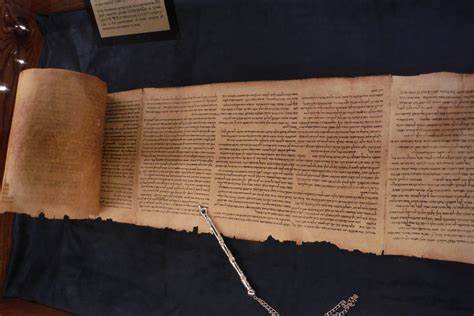
One of the dominant features of the Hebrew Bible is its use of purely literary or literal-historical patterns – whether of actions, of the circumstances of characters, or similarities in narrative construction. Interestingly, some of the Bible’s patterns may just be literary devices for their own sake. This article identifies dozens of such forms. But the narrative patterns we’re interested in are those that serve through their repetition/reprise to underscore the importance of the pattern to the story of God and His people. Here we’ll dig into some examples of those that fall into this latter category. What we hope…
-
Some Narrative Patterns in the Hebrew Bible
One of the dominant features of the Hebrew Bible is its use of purely literary or literal-historical patterns – whether of actions, of the circumstances of characters, or similarities in narrative construction. Interestingly, some of the Bible’s patterns may just be literary devices for their own sake. This article identifies dozens of such forms. But the narrative patterns we’re interested in are those that serve through their repetition/reprise to underscore the importance of the pattern to the story of God and His people. Here we’ll dig into some examples of those that fall into this latter category. What we hope…
-
The Lesson of Ecclesiastes

Those somewhat familiar with the book of Ecclesiastes know that its headline message is encapsulated in its second verse, Ec 1:2: [2] Vanity of vanities, says the Preacher, vanity of vanities! All is vanity. The book’s Hebrew title is Qoheleth whose meaning roughly is “an expounder of wisdom”, the narrator of the book.
-
Make Man In Our Image
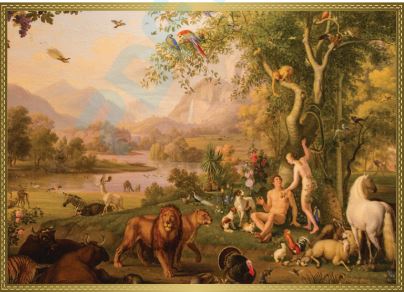
What does “Let us make man in our image, after our likeness” (Gen 1:26) mean about us? And, what does it mean that God gives man “dominion” over the living things in His Creation? And, what on earth does this have to do with prohibiting them from worshipping idols? Let’s find out.
-
Biblical Narrative As a Mosaic
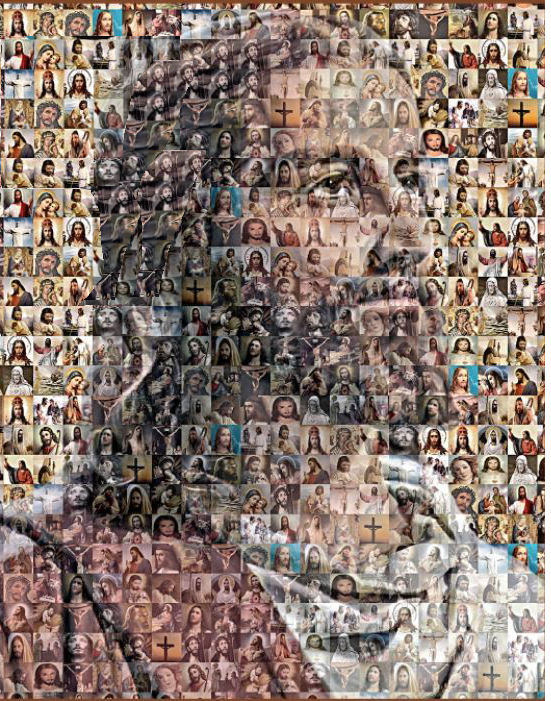
Most of us read the Bible as at most a narrative of the history of God’s people, culminated by some revolutionary stuff in the New Testament. And, it certainly, on one level, is that. But few of us read the Bible carefully enough or deeply enough to see its deeper construction as an intricate weaving of individual, but connected, narratives that all create a larger meta-narrative.
-
“Angels” of the LORD
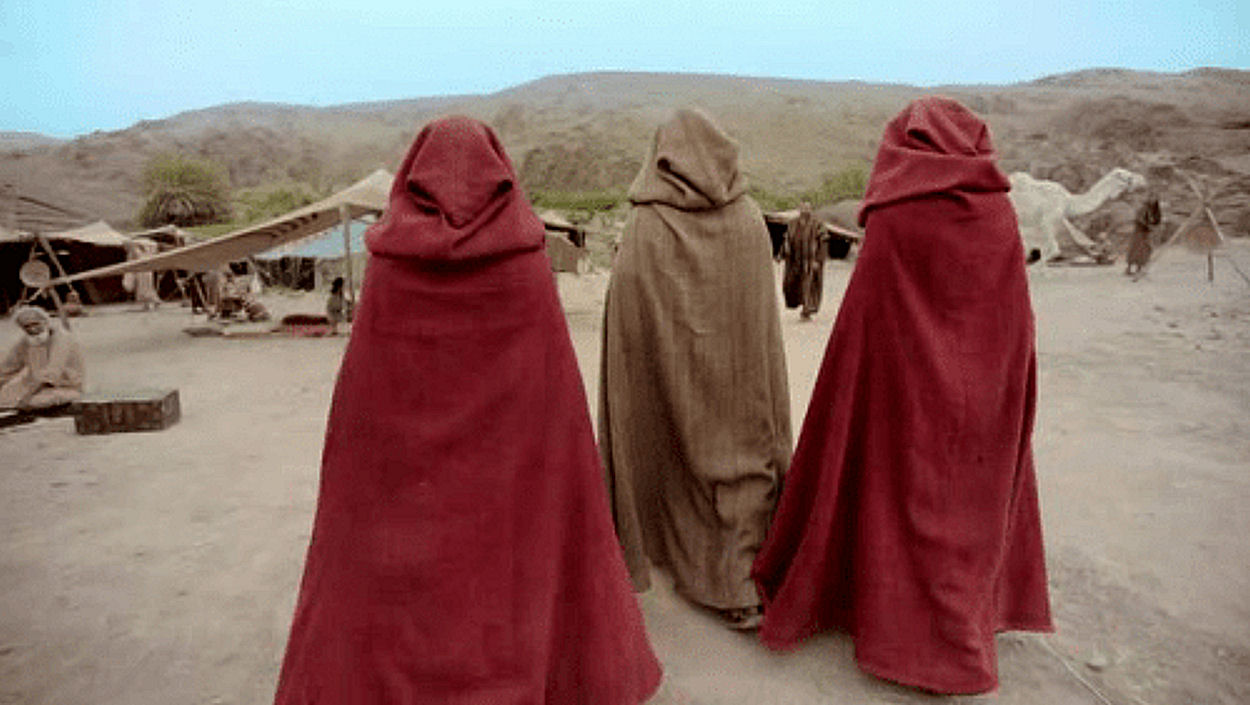
The Hebrew Bible (Old Testament) has many stories in which beings typically identified as “an angel of the LORD ”, or just “angel”, are depicted interacting with people as, apparently, another person. What can we learn about these persons from the texts? More than you might think.
-
Isaiah’s Servant and “Israel”

The book of Isaiah is in many ways a riddle wrapped in a mystery inside an enigma. In it, we find a seemingly bipolar God concerning His chosen but about-to-be-exiled Israel. One moment He chastises their behavior while the next He promises future redemption and blessing. And in it, we find the enigma of His servant – sometimes His beloved Israel, and sometimes…well, someone else, unnamed.
-
Israel, Judah and Jerusalem in Prophecy

Confusion by those reading the Old Testament’s (OT) prophecies regarding Israel, Judah, Jerusalem, and Zion has resulted in profound disagreements by interpreters. Some (Jews, many Dispensationalist Christians, and some “Hebrew Roots” Christians) believe the prophecies should essentially be taken literally. The Jewish Temple will be rebuilt in Jerusalem in the future; all people of Jewish descent will return to the land of Israel in the future, and all others in the world will pay homage to the God of Israel in pilgrimages to Zion. This is the view of the majority of Western Christians, as a result of the popularization…
-
Israel as Metaphor
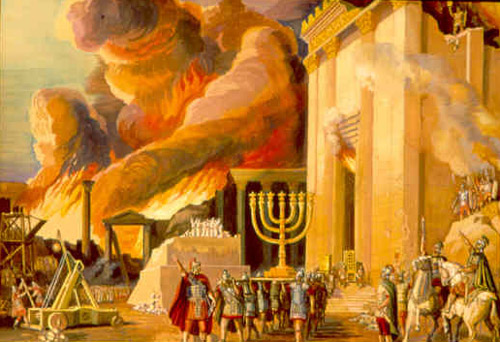
Those familiar with the Jewish Bible — the Tanakh — or what Christians call the Old Testament, have puzzled for centuries over the meaning of the failed history of the Israelites, culminating in the destruction of their Temple and Jerusalem in 70AD, and their destruction or banishment from their homeland in 136 AD following the Bar Kokhba revolt. What exactly does it mean that God chose the Israelites from all the peoples of the world, led them, gave them a homeland and, for a time at least, heaped blessings on them only to have them nearly universally turn their backs…