Tag: Hebrew Bible
-
Israel in Egypt?
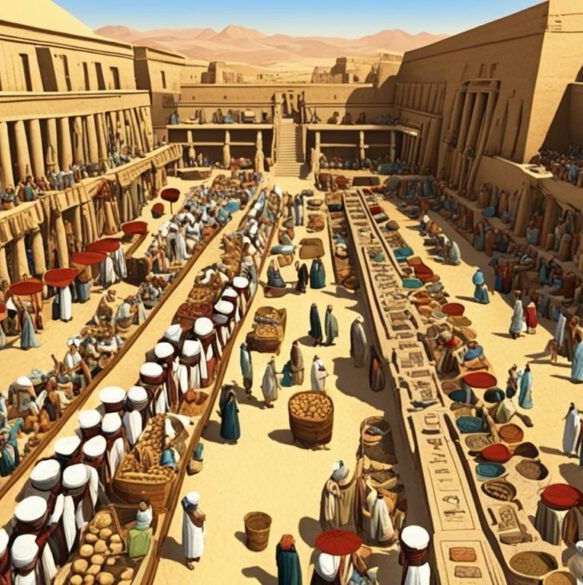
Where is the evidence for Israel in Egypt and their Exodus from it? When we look for its memory in Egypt we don’t find it. When we look for it at Jericho we don’t find it. When we look for it in Egyptian or Mesopotamian records we don’t find it. You would think something as momentous as an entire nation emigrating from one land to another would get some mention in the historical (not just the Biblical) record. But we don’t see it, explicitly. Did it not happen (at least as recorded in the Bible)? Or, did it happen, but…
-
The Development of Israel’s Idea of Righteousness

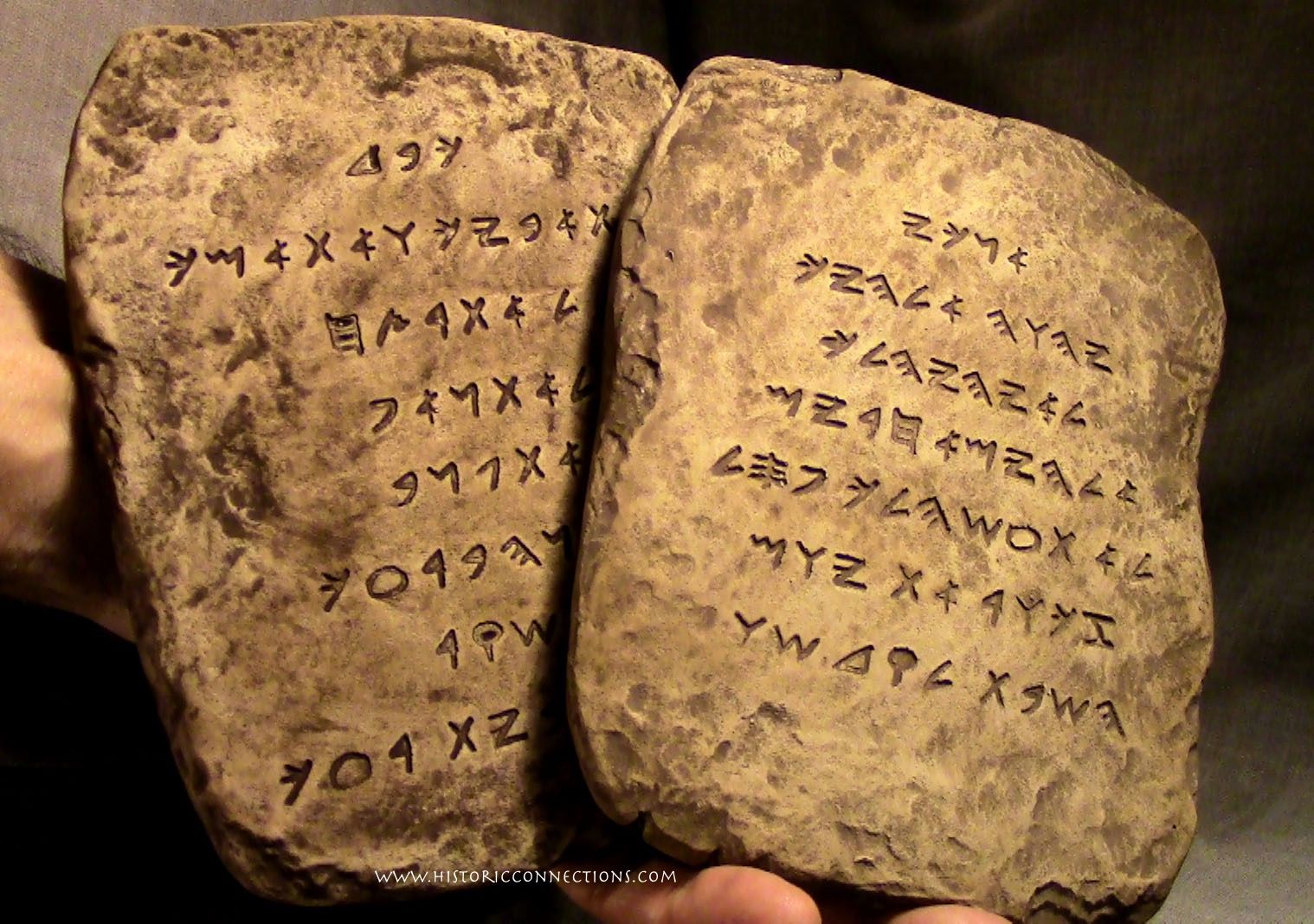
“Righteousness” to Israel came to mean being acceptable to God. Most know that the Ten Commandments given by God to Israel at Sinai served as the foundation for Israel’s idea of righteousness. The evolution of Israel’s received understanding of their position vis-à-vis the status of “righteous” before God was dependent on their progressive revelation by God of His will for therm. And, they had to fight through many false declarations intent on obscuring the truth to benefit men. While the Decalogue remained the bedrock of Israel’s moral imperative, their view did not remain static but developed through their history. Our…
-
Unpacking the New Covenant Gospel

Many Western Christians [i] and secular individuals have misunderstood the core message of the Bible’s Good News for centuries. This analysis aims to clarify the true Gospel, obscured since the Reformation, by examining relevant New Testament and Hebrew Bible passages to determine whether they support or challenge what I’m referring to as the “New Covenant Gospel”, first proposed by Dr. Jason A Staples. This interpretation diverges from the traditional Gospel message fundamentally.
-
How Old is the Hebrew Bible?
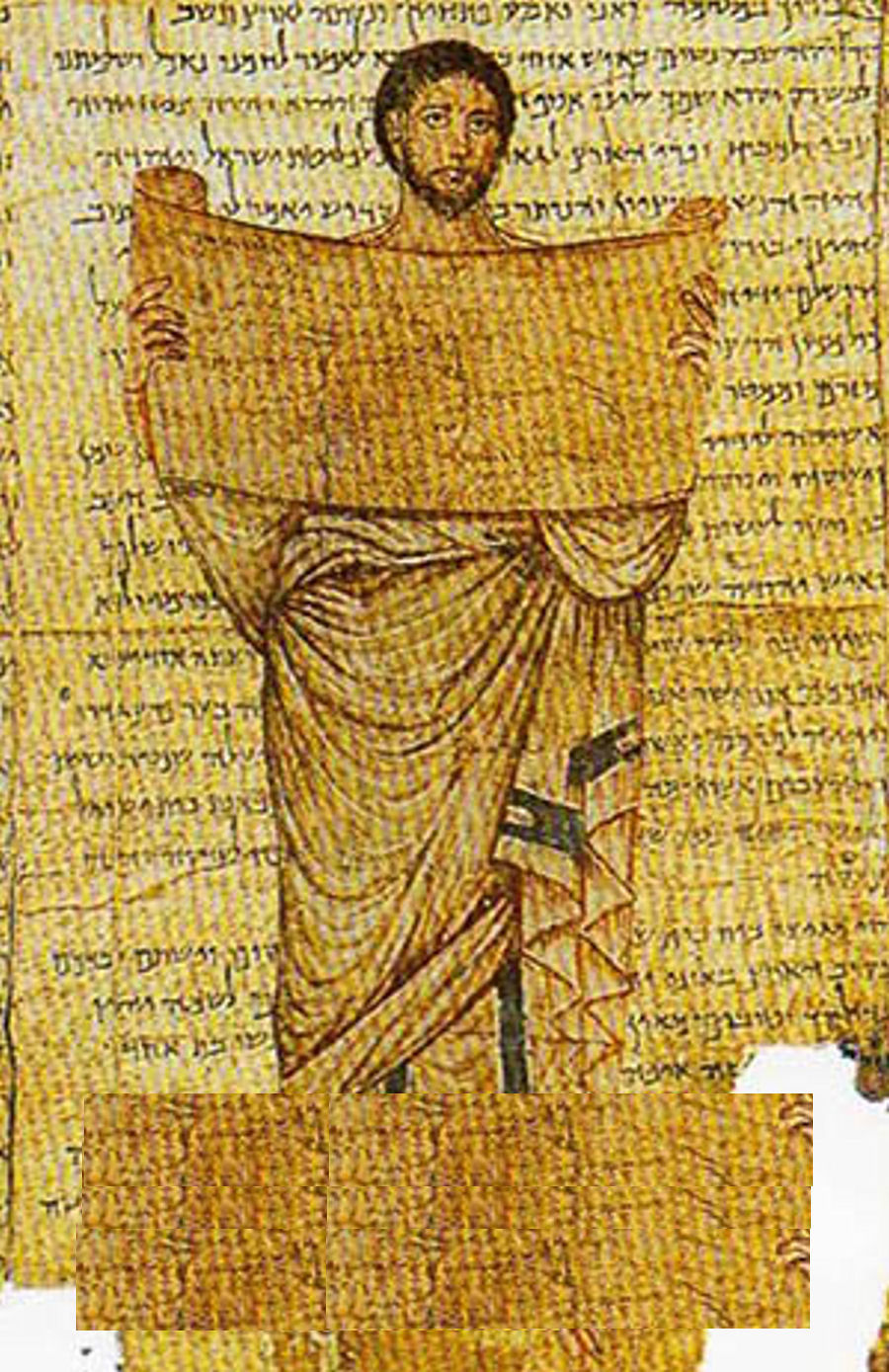
How old are the books of the Hebrew Bible, and why should we care? Since the Bible is likely the most influential book ever written, we deserve to know the truth of its composition and history.
-
Searching for the Bible’s Sources

Many laymen dispute that the Pentateuch was written by several distinct authors. Biblical scholars don’t. But they disagree on who those authors were and what they wrote. If we stipulate that the authors of the Documentary Hypothesis wrote the Pentateuch, what can we discover about their backgrounds and worldviews? Let’s see.
-
Moses’ Real Words?
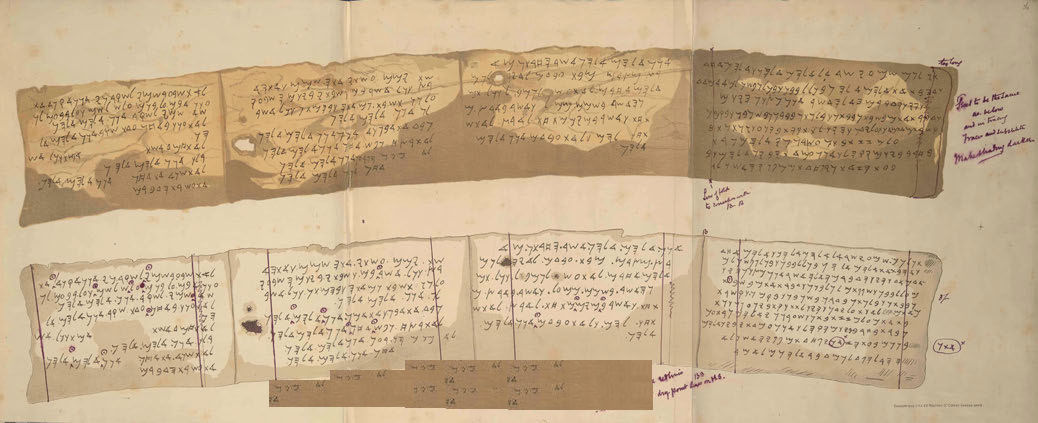
In the 1880’s an antiquities dealer in Jerusalem came into possession of an apparently ancient “scroll” consisting of fifteen strips of leather containing paleo-Hebrew texts. Within a period of five years of their “publication”, the fragments had been declared forgeries by “experts” in Europe, and shortly thereafter, the antiquities dealer, Moses Shapira, committed suicide in a Rotterdam hotel room in 1884. But what if they were authentic? That’s the question I want to pose and try to answer.
-
Where Did YHWH “Come From”?

Most of us are familiar with the Biblical story of YHWH introducing himself to Moses, as Moses was shepherding a flock, as a vision/theophany in a burning bush adjacent to Mt. Sinai/Horeb (Ex 3:1-2, 15). (For the uninitiated, your English Bible’s use of the word “LORD” [all caps] is its symbol for God’s name, YHWH.) There is a long tradition of Israel’s recognition of their God first occurring in the deserts south of Israel, in Midian through this episode. Midian was an area of today’s NW Arabia, home also to a people known as the Kenites. We’ll look at that…
-
Who Wrote the Hebrew Bible?
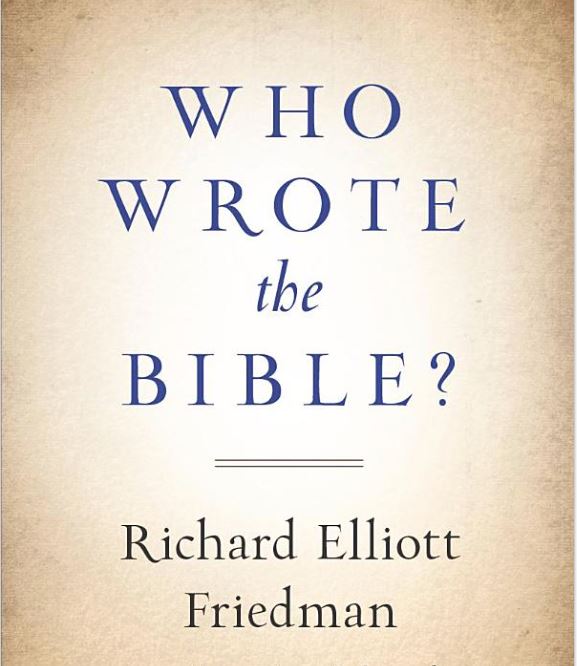
Is it possible to figure out how the Hebrew Bible was written, by whom, and when? Those who study the text for a living would say “yes”. Among them is Richard Elliot Friedman, in his 1987 book “Who Wrote the Bible?” (updated in 2019). In it, Friedman makes an absolutely fascinating and substantially believable case for the origins and authorship of the Hebrew Bible. In this note, we’ll try to outline his major findings and summarize some of the textual data and analytical reasoning he uses to come to his conclusions. And, as we have done previously, we will ask…
-
A Reassessment of the Source(s) and Authenticity of the Hebrew Bible

All scripture is inspired by God and useful for teaching, rebuking, correcting and training in righteousness, that the man of God may be complete, equipped for every good work” (2 Tim 3:16-17). There is a festering dissonance today between the traditional view of the Bible by people of faith (both Jew and Christian), and the data uncovered within its text by those scholars known as Text- or Source-critics – people who study only the text to learn its dating, and authorship/sources. But, (and this will be my key point) I have concluded that the text-critical data concerning when or by…
-
Interpreting the New Covenant
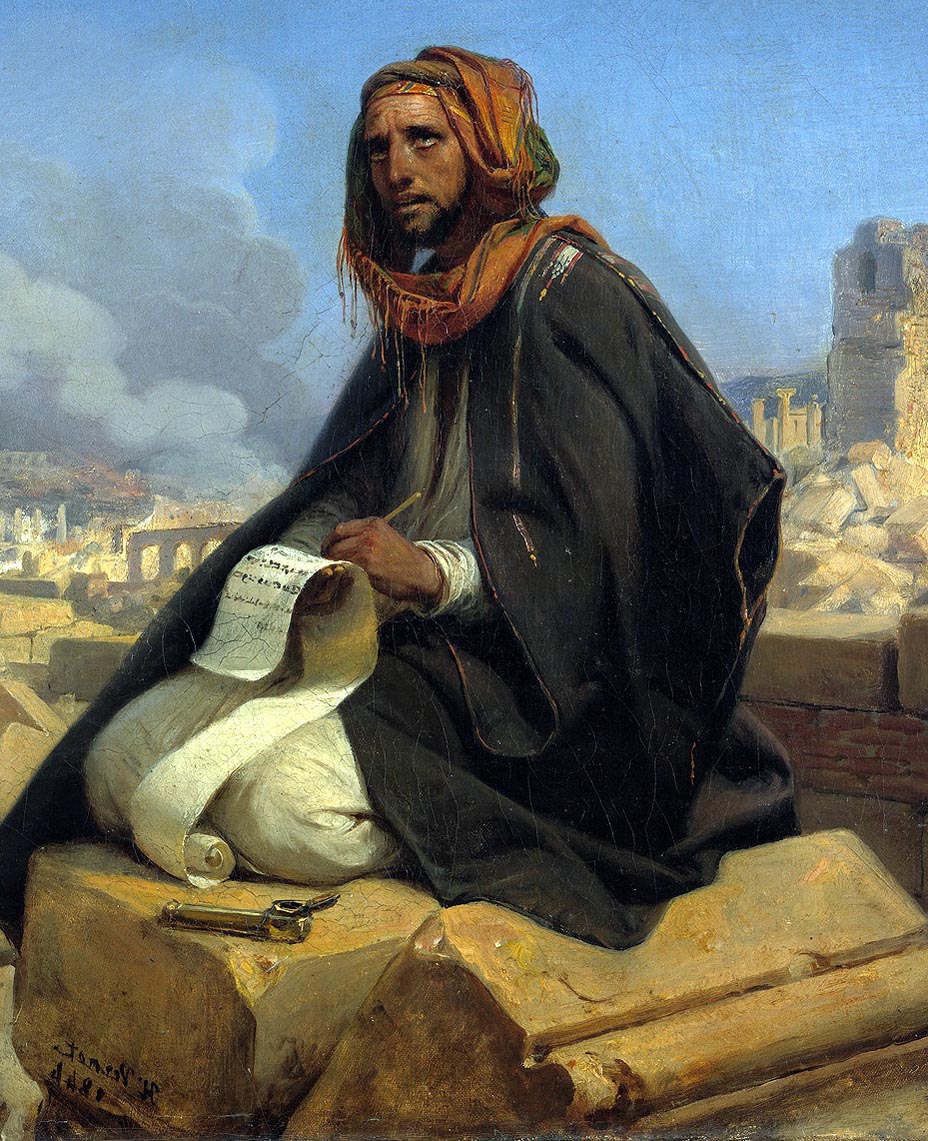
There is substantial controversy surrounding the proper interpretation of the announcement of a New Covenant between God and Israel and Judah (Je 31:31-34, Ezk 36:24-28). Both the Jewish and Christian interpreters spin its interpretation to suit their theological views, leaving no consensus. Let’s see if by working through the texts we can discover the truth.
-
Wrestling With the Origins of the Pentateuch

Modern Biblical scholarship has concluded that the majority of what we now have in the Biblical Pentateuch was substantially written in the seventh to fifth centuries BC. This creates a formidable problem for the traditionalist view (of both Jews and Christians) that holds that these foundational works were written by Moses, in Moses’ timeframe. But should it?
-
Did God Want a Temple, Sacrifices, or a Monarchy?
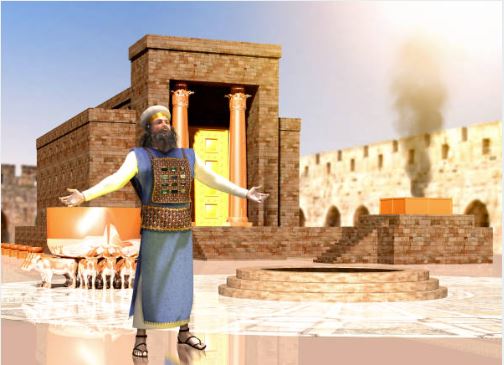
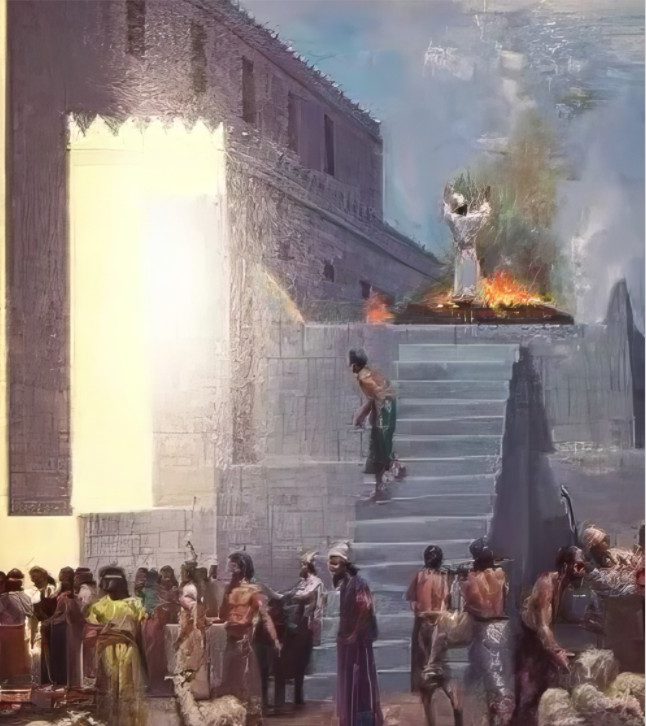
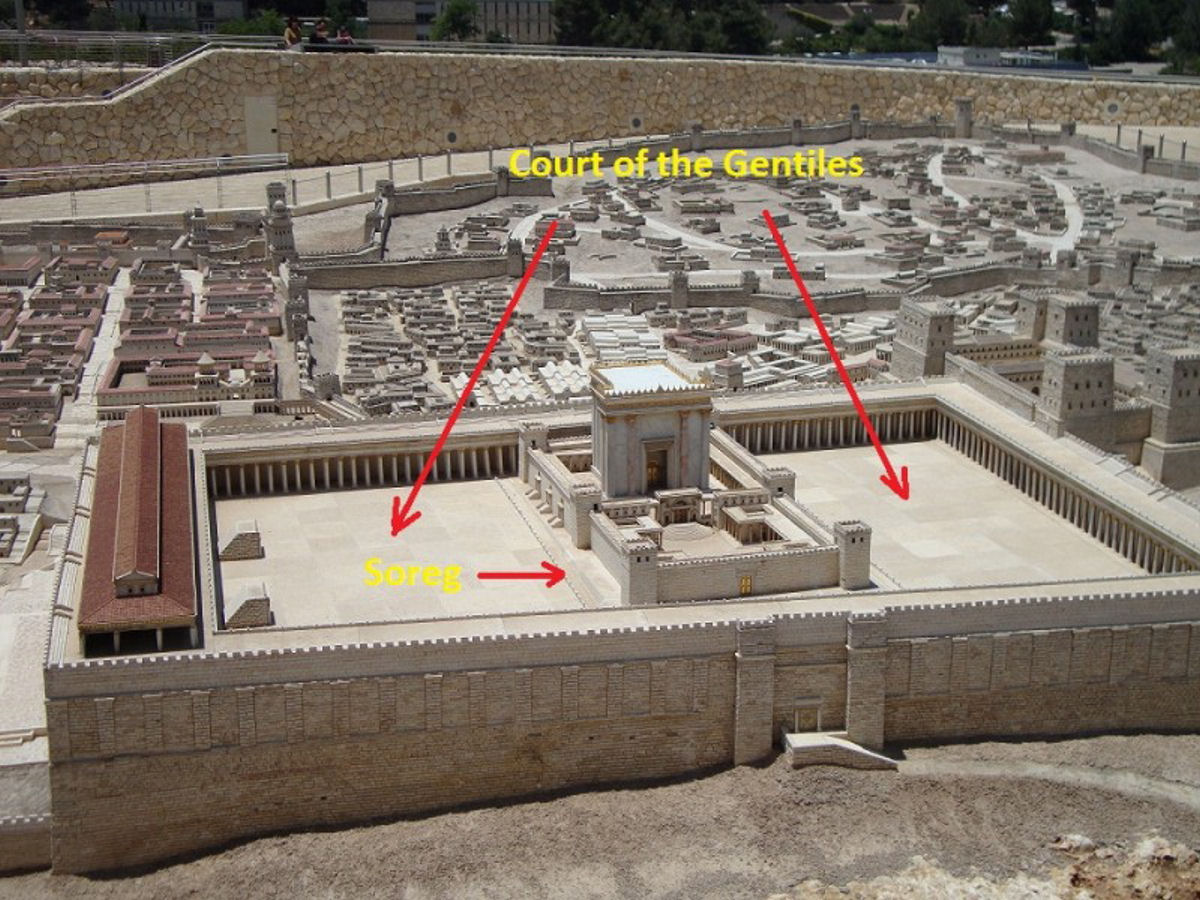
People casually familiar with the Hebrew Bible and its narrative of the history of Israel generally accept that the cultural symbols and practices that developed in that history were prescribed – even commanded – by their God Yahweh (YHWH). A little study, however, reveals a much more ambiguous situation.
-
In the “Bronze Age”, Where Did the Bronze Come From?
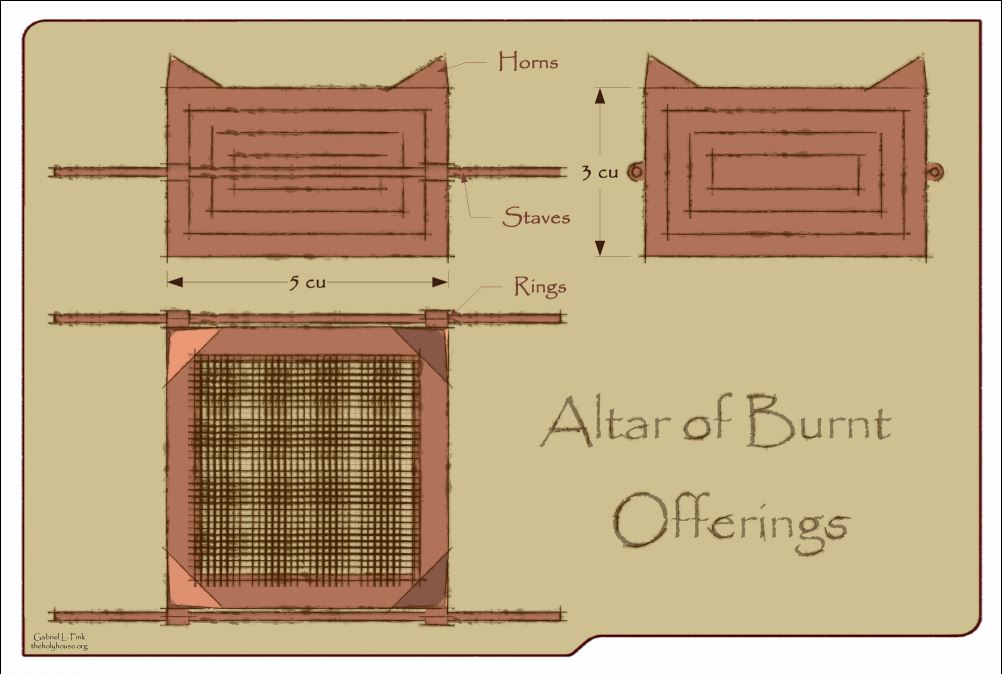
Undoubtedly, this little monograph will be met with yawns of disinterest from most. I started thinking about the question of how the wandering Hebrews could come up with enough bronze to fashion the altar God commanded them to make while researching another Exodus topic. Since an entire epoch of some 2.100 years was named for the metal, which happened to encompass the beginnings of civilization and the first monotheistic religion, I decided to at least ask the question.
-
The New Covenant…of Moses?
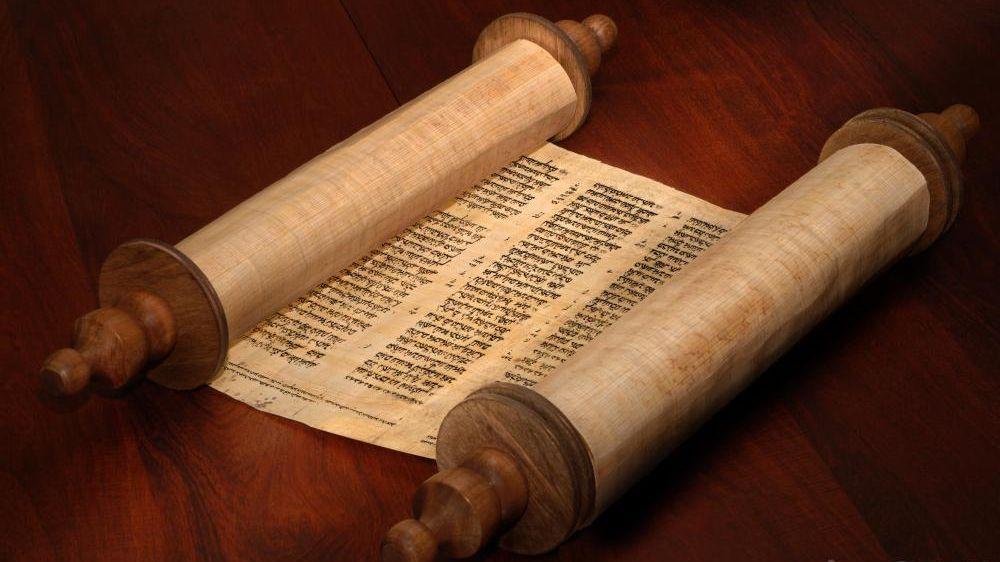
It may come as a surprise (as it did to me) that Moses, virtually before Israel was identifiably a nation, predicted the replacement of the Covenant he was given for them by a succeeding, New covenant in which God took things into His own hands.