Category: Original Christianity
-
Jesus’s Nature
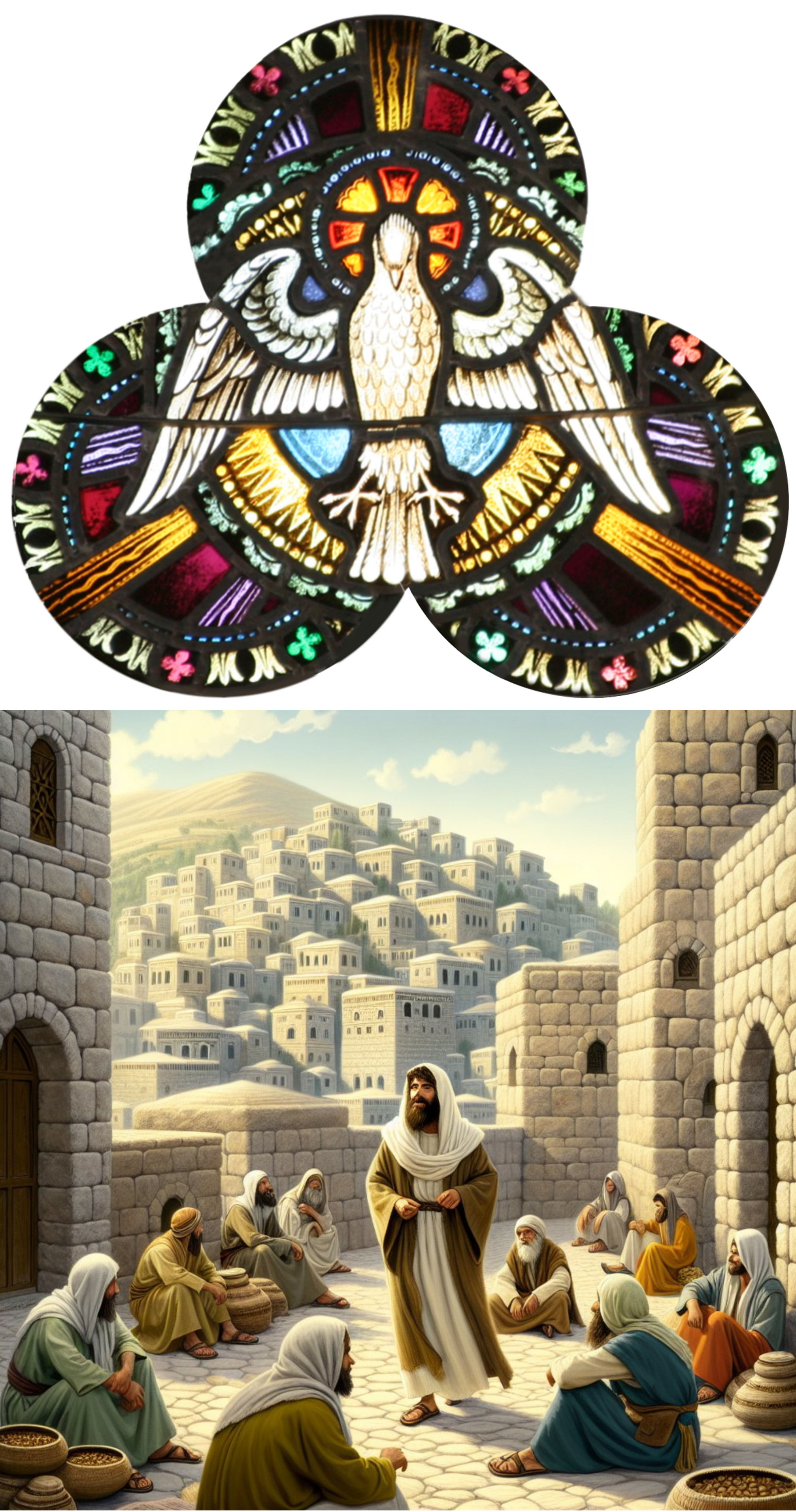
Christian tradition has long affirmed that Jesus is divine—one “person” of a triune Godhead. This framework interprets His authority, miracles, and exaltation as evidence of inherent deity. Yet the New Testament also presents Jesus as a fully human figure who lived, acted, and suffered within the constraints of human biology. A second model has garnered some support and that is the idea that God manifested Himself as the human Jesus, so-called Modalism[i]. In this model, God presents an image that is indistinguishable from a biological human, and expresses God’s character and power. A coherent alternative to divinity arises when we…
-
The Development of Israel’s Idea of Righteousness

“Righteousness” to Israel came to mean being acceptable to God. Most know that the Ten Commandments given by God to Israel at Sinai served as the foundation for Israel’s idea of righteousness. The evolution of Israel’s received understanding of their position vis-à-vis the status of “righteous” before God was dependent on their progressive revelation by God of His will for therm. And, they had to fight through many false declarations intent on obscuring the truth to benefit men. While the Decalogue remained the bedrock of Israel’s moral imperative, their view did not remain static but developed through their history. Our…
-
The Singular God and the Divine Christ: A Case for Modalism

Only some people believe that Jesus of Nazareth was divine, the same thing as God. Almost none of those believe that God is a singularity. They would say that He is “three in One”. Does the assertion of Jesus’s divinity by itself create a dichotomy between these two ideas, as many claim? The purpose of this piece is to demonstrate that a single Divinity does not represent a dichotomy but rather a transcendent truth that goes by the label “Modalism”. We will look at some of the voluminous textual evidence that supports this case and find that, far from being…
-
Forgiven, or Transformed to Righteousness?

For centuries, the traditional, Christian interpretation of Jesus’ death has been that it was an atonement for the sins of those who would choose to “believe” and follow Him. This scenario portrayed a kind of cosmic cleansing for those who believed, though no one told us what that meant. A common assumption is that having one’s sins atoned for/forgiven is having them excused. For the record, not everyone completely bought the cosmic cleansing story, citing texts (e.g. Luke) that didn’t completely embrace the sacrificial atonement theme.
-
The Fraudulence of “Biblical Historians”
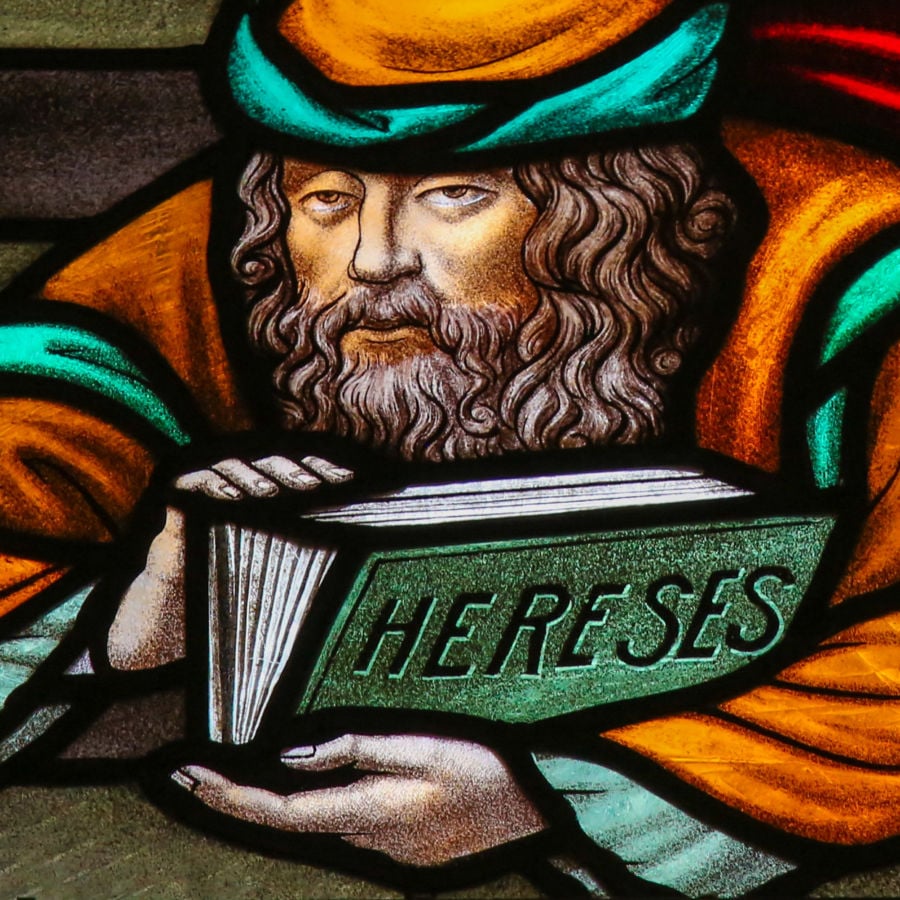
Just a quick note. Over the past many years in reading the work of “Biblical Historians” I have been struck by what, perhaps, should have been self-evident to me from the beginning. These “scholars” are not trying to understand why, for example, Jesus’ disciples all chose (with the exception of John who was exiled to an island to live out his life) to be martyred rather than renounce their faith — at least according to the accepted tradition.