Category: Christianity/Bible
-
Always Learning, Never Knowing

Most people who embark on a journey expect to arrive at their destination. Airports contain huge boards showing the status, gate number, and destination of all of its departing airplanes. All of the people boarding a flight for a particular destination fully expect to arrive at that destination. But this situation isn’t true of every pursuit. Our premise here is that there are those embarked on the abstract journey of “knowing” that don’t always want to succeed. They don’t want to “arrive”.
-
The Development of Israel’s Idea of Righteousness

“Righteousness” to Israel came to mean being acceptable to God. Most know that the Ten Commandments given by God to Israel at Sinai served as the foundation for Israel’s idea of righteousness. The evolution of Israel’s received understanding of their position vis-à-vis the status of “righteous” to God was dependent on their progressive revelation by God of His will for therm. And, they had to fight through many false declarations intent on obscuring the truth to benefit men. While the Decalogue remained the bedrock of Israel’s moral imperative, their view did not remain static but developed through their history. Our…
-
Was Luke’s Gospel First?
For Bible Nerds: The “Synoptic Problem” is not a “problem” but a question: “How is it that we have three Gospels relating many of the same stories and sayings of Jesus in sometimes near-identical words?” Did they copy from each other? Did they copy from some common source we no longer have? And of these Gospels, which was written first? Luke?
-
The Singular God and the Divine Christ: A Case for Modalism
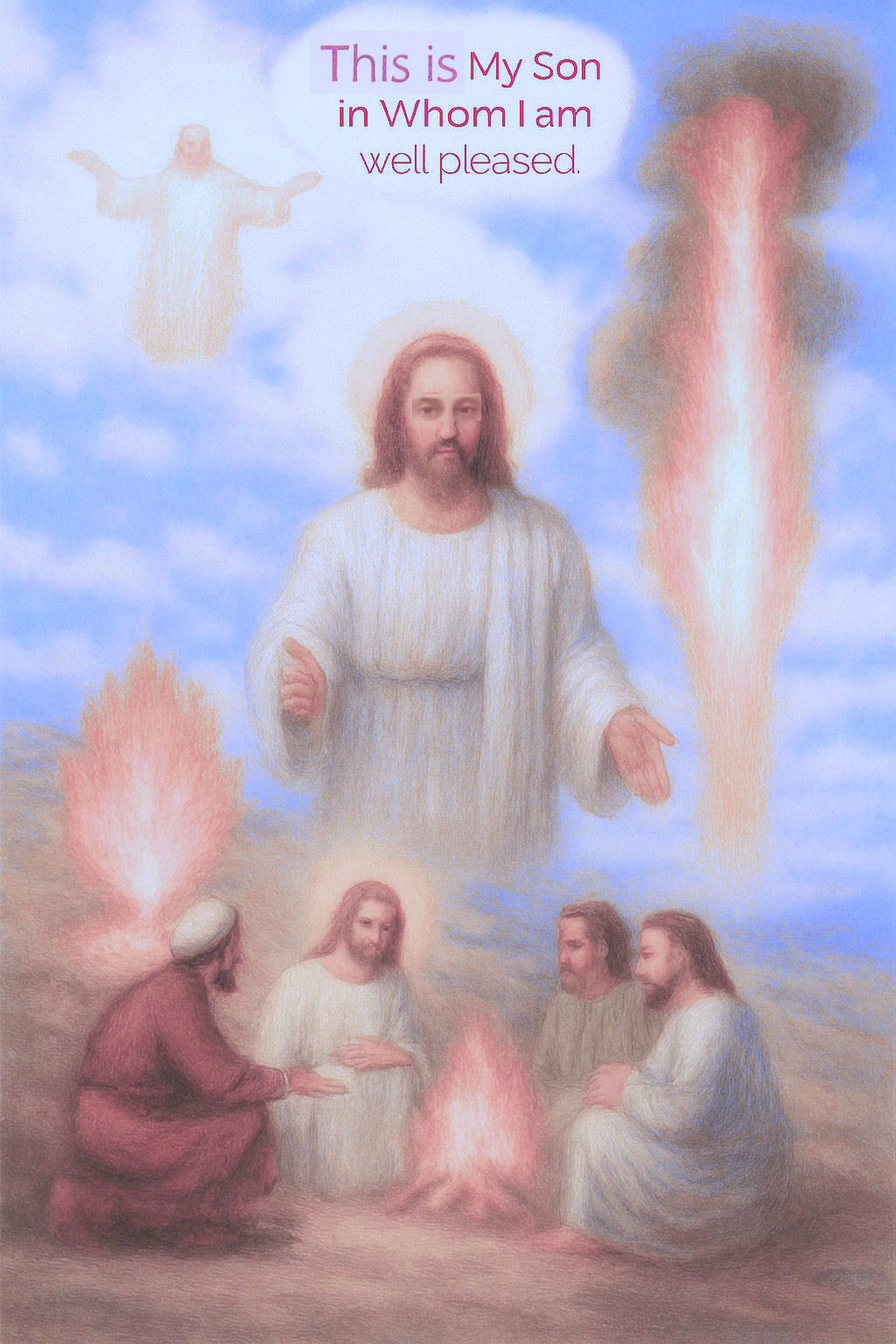
Only some people believe that Jesus of Nazareth was divine, the same thing as God. Almost none of those believe that God is a singularity. They would say that He is “three in One”. Does the assertion of Jesus’s divinity by itself create a dichotomy between these two ideas, as many claim? The purpose of this piece is to demonstrate that a single Divinity does not represent a dichotomy but rather a transcendent truth that goes by the label “Modalism”. We will look at some of the voluminous textual evidence that supports this case and find that, far from being…
-
Forgiven, or Transformed to Righteousness?

For centuries, the traditional, Christian interpretation of Jesus’ death has been that it was an atonement for the sins of those who would choose to “believe” and follow Him. This scenario portrayed a kind of cosmic cleansing for those who believed, though no one told us what that meant. A common assumption is that having one’s sins atoned for/forgiven is having them excused. For the record, not everyone completely bought the cosmic cleansing story, citing texts (e.g. Luke) that didn’t completely embrace the sacrificial atonement theme.
-
Learning the Real Paul (and Unlearning What You’ve Been Taught)

Scholars and expositors have been mangling Paul’s message in his epistles (particularly Romans) for centuries. If we are to see Paul’s true message, we’re going to have to dig much more deeply into the text, and then unlearn nearly everything we thought we knew. No small undertaking. But in so doing, we will also see revealed the true Gospel message of not only the entire New Testament, but the Hebrew Bible as well, as one grand story. And once you’ve seen this story accurately, it is doctrine- and theology-upending to the point that you will never again read your Bible…
-
Unpacking the New Covenant Gospel

Many Western Christians [i] and secular individuals have misunderstood the core message of the Bible’s Good News for centuries. This analysis aims to clarify the true Gospel, obscured since the Reformation, by examining relevant New Testament and Hebrew Bible passages to determine whether they support or challenge what I’m referring to as the “New Covenant Gospel”, first proposed by Dr. Jason A Staples. This interpretation diverges from the traditional Gospel message fundamentally.
-
What Does “He Emptied Himself” Mean?

Recently a very long-standing dear friend of mine asked my thoughts on Paul’s phrase “he emptied himself” in Phl 2:7. He said he had been considering the meaning of the phrase for some time. I confessed I hadn’t thought about it. But, as it turns out, many hundreds of bible scholars and theologians have ever since the formation of the very early church. Let’s see what we can find out.
-
The Letters of James and Paul — Different?

There is an undercurrent of opinion amongst scholars of the early Church and Bible students that James, the brother of Jesus, and Paul the Apostle proclaimed two different gospels – that the book of James contains an authentic look into 1st century Jewish Christianity and what his brother, Jesus, taught, while Paul’s epistles lay out a completely different “religion”. Some of these also believe that, since Paul wrote first, that aspects of his letters were borrowed by the Gospel writers, thus propagating the Paul version of Christianity throughout nearly the entire New Testament. Is this viewpoint correct?
-
Paul’s Real Gospel

When you hear a respected biblical scholar reinforcing with conviction what you’ve been learning – and teaching – for the last ten or twenty years, it’s a big deal, not to mention quite the affirmation. Such was my case in coming across a lecture by Dr. Jason Staples (one of my favorite New Testament scholars) in 2024 entitled “Salvation by Moral Transformation: What Paul Really Meant by Grace”. Not to be too dramatic but Staples’ insights into Paul’s real message will be at least as explosive within the traditionalist community as was “The New Perspective on Paul”[i] of Messrs. NT…
-
Whatever Happened to Yom Kippur?
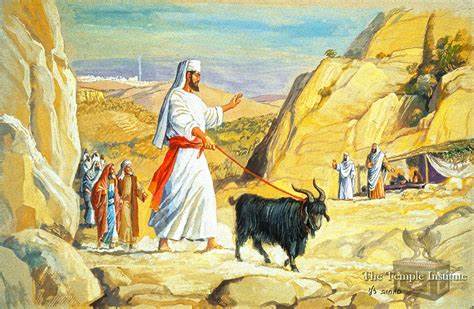
I spend virtually zero time reading the Talmud. However, I recently stumbled onto a video presentation that describes some radically strange stuff there having to do with the Yom Kippur ceremony, especially after 30 AD. Especially for Christians, this is a must-know piece of Jewish legend.
-
Does Paul’s Potter/Clay Metaphor Say What Christians Think It Says?

In Romans 9:18-23, Paul gives us a very sparse but dense (contextually) metaphor describing God as a potter working on “vessels” that in one case turn out “for blessing” and in others, turn out “for destruction”. Is Paul saying what traditionally has been believed he is saying? Let’s see.
-
Did Jesus Say He Was YHWH?

In a recent video interview, Dr. Jason Staples presented the outlines of his argument that lexically, Jesus referred to Himself as YHWH in both Luke and Matthew. Now, if you’re comfortable with the whole “son of God” characterization, this may be a bit jarring
-
What Did the “Law of Moses” Mean To…?

This post presents a three-part series looking at what the term “Law of Moses” (and similar) meant to different people at different times in the Bible; 1) The Israelites, at various points in their history, 2) Jesus (in His many interactions with others involving His understanding of its meaning), and 3) Paul, who infamously dismissed “works of the law” as valid for justification of his Jewish brethren.
-
Jesus and the Moses Scroll

Our purpose here is to compare and contrast the “Ten Words” (Decalogue) found in the “Moses Scroll” (MS) with both of the other canonical versions found in Exodus and Deuteronomy, but also with the teachings of Jesus. We’ll see if the nuances in the MS Ten Words (and their blessings and curses) can also be detected in Jesus’ teachings. And if they can, can we propose how such a linkage could exist when at the same time it is missing or much harder to find between our published versions of the Decalogue? Let’s see.
-
How Jesus Taught
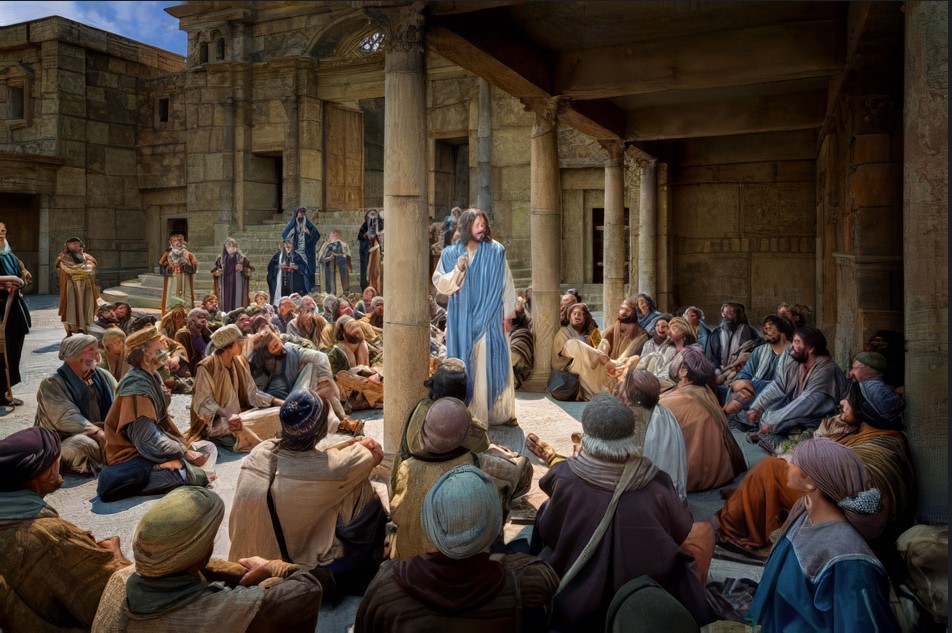
When we read Jesus teaching in the New Testament, we know instinctively that He is speaking and teaching differently than we do today in the modern West. How is it different? What influenced His teaching “style” that we have become so familiar with over the years, but remains so distinctively “foreign” to our modern, Western ears. That’s what we’ll dig into and explain.
-
Groaning With the Spirit

Rom 8:26 “Likewise the Spirit helps us in our weakness. For we do not know what to pray for as we ought, but the Spirit himself intercedes for us with groanings too deep for words.” A recent post on social media mentioned an interview with NT Wright (A Deep-Dive into the Book of Romans: Dr. N.T. Wright – Theology in the Raw) in which he makes a point regarding the above (and other Romans’) passages of Paul that for me was both startling and eye-opening. Let’s look at Wright’s narrative of the Romans story, and unpack his startling point.
-
The Kingdom of God
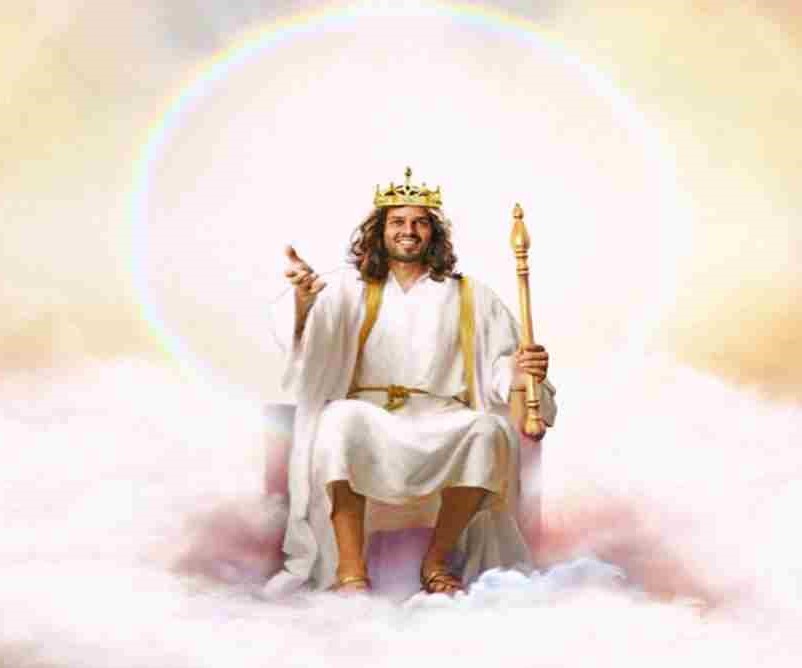
Who believes they have a sound, well-supported understanding of what Jesus was talking about when He taught on the Kingdom of God/the Heavens? I thought I did. And I almost did. But one of its key characteristics – when it started – I have been completely mistaken about.
-
New Testament Uses of Old Testament Texts

How much do you know about the nature of references made by New Testament authors to Old Testament scripture? It turns out that there is an entire academic field centered on the study of this subject. And, there seems to be at least two conflicting views among scholars of these New Testament (NT) citations of Old Testament (OT) texts.
-
The “Fulfillment” of Scripture
Luke 4:[17] And the scroll of the prophet Isaiah was given to him. He unrolled the scroll and found the place where it was written, [18] “The Spirit of the Lord is upon me, because he has anointed me to proclaim good news to the poor. He has sent me to proclaim liberty to the captives and recovering of sight to the blind, to set at liberty those who are oppressed, [19] to proclaim the year of the Lord’s favor.” [20] And he rolled up the scroll and gave it back to the attendant and sat down. And the eyes…
-
Understanding the Language of “Day of the Lord”
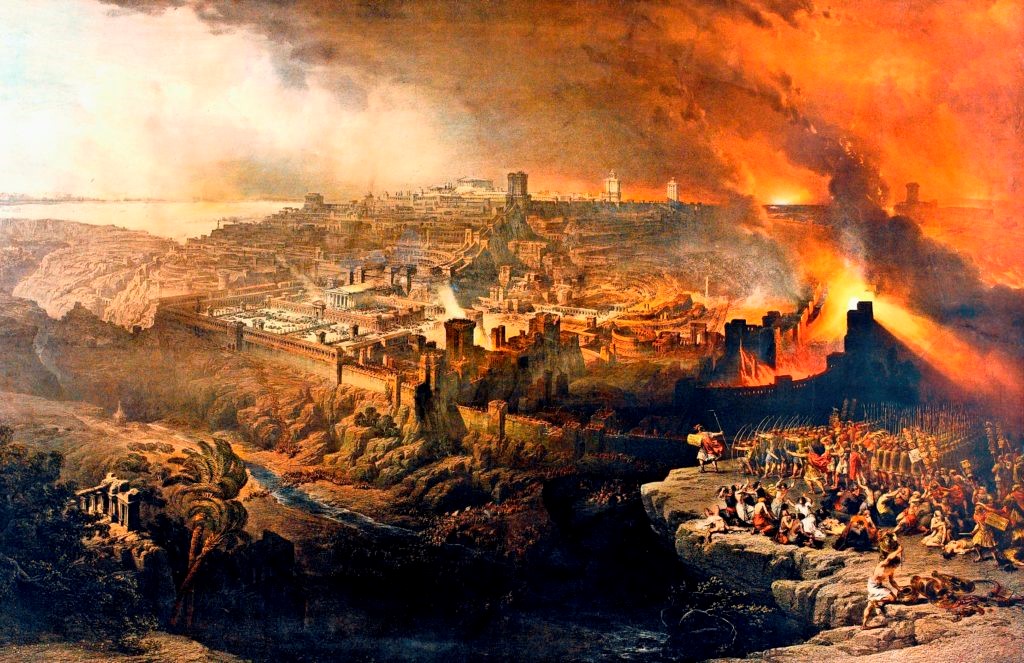
The prophecies that use the oft-repeated term “day of the Lord” in describing a pending judgment by God resulting, typically, in some cataclysm, are referred to as Day of the Lord (DOL) prophecies. Most of the occurrences within the Bible of the use of this phrase appear in the writings of the Minor Prophets: the so-called “Book of the Twelve”[i]. It’s not uncommon for a DOL prophet to mix separate prophecies having to do with two or more imminent, future, or far-future prophecies[ii]. When all these prophecies use elements of the same apocalyptic language to describe their events, it becomes…
-
Jesus and Paul
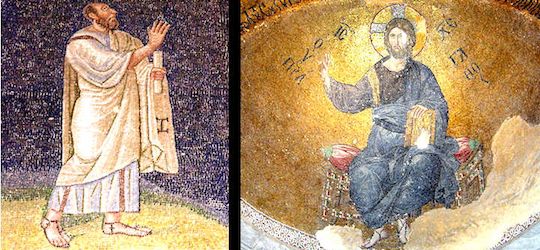
Dozens of books and hundreds of scholarly papers have been written on the subject of the differences in the ministry messages of Paul and Jesus. Some gloss over the differences in their attempt to maintain a united Christian front. But others use the differences to claim that Paul, not Jesus, is the real founder of Christianity and its “through grace by faith” message and that this Christianity is unfaithful to Jesus’ authentic version. The purpose of this note is not to reconcile these differences but rather to pay attention to the historical context into which they were each proclaimed. In…
-
The Lesson of Ecclesiastes

Those somewhat familiar with the book of Ecclesiastes know that its headline message is encapsulated in its second verse, Ec 1:2: [2] Vanity of vanities, says the Preacher, vanity of vanities! All is vanity. The book’s Hebrew title is Qoheleth whose meaning roughly is “an expounder of wisdom”, the narrator of the book.
-
Make Man In Our Image

What does “Let us make man in our image, after our likeness” (Gen 1:26) mean about us? And, what does it mean that God gives man “dominion” over the living things in His Creation? And, what on earth does this have to do with prohibiting them from worshipping idols? Let’s find out.
-
Developing Spiritual Fitness

Most of us think about our spiritual lives (when we think of them at all) as cerebral, passive things: things that just are, likely supported by some “quiet time”, perhaps some Bible reading, and prayer. However, our spiritual strength is only truly developed when, like a muscle in our body, it is stressed, and stressed repeatedly.
-
Interpreting the New Covenant
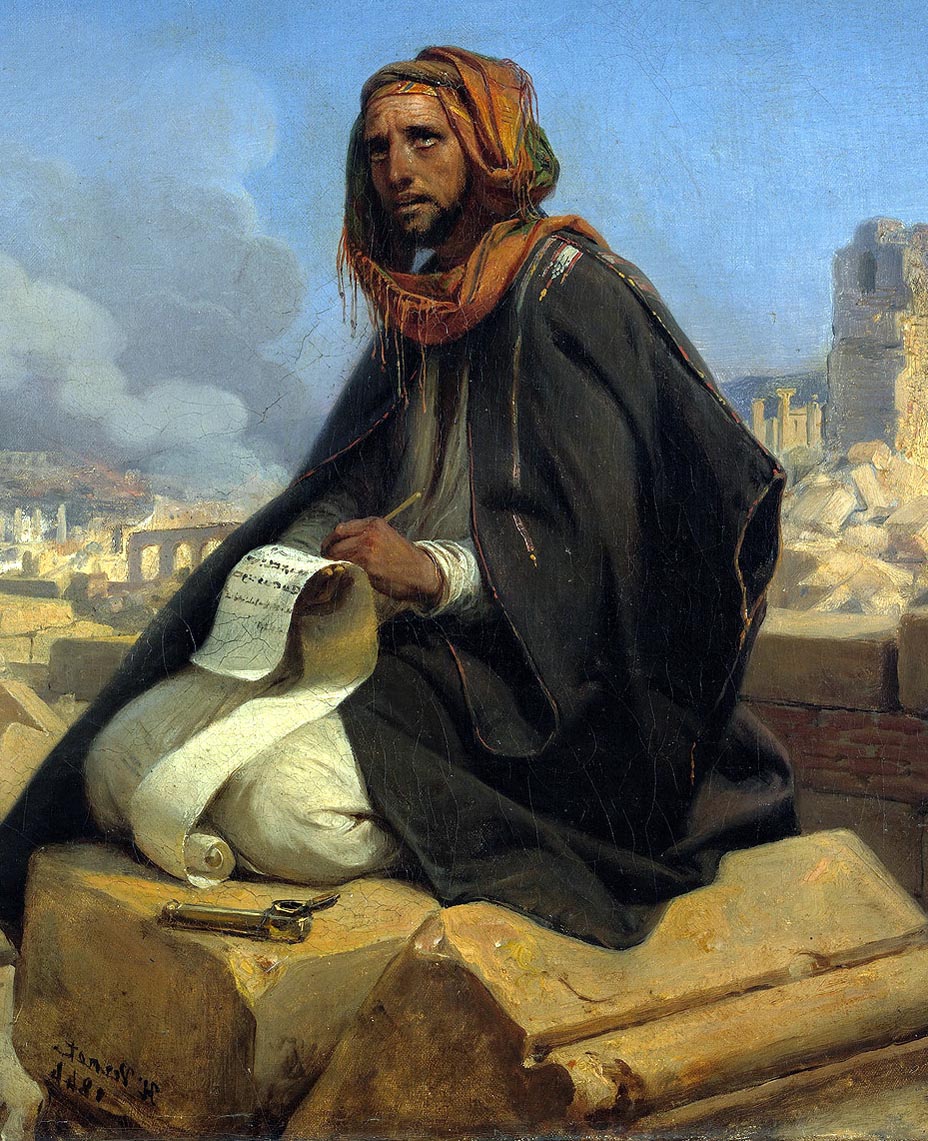
There is substantial controversy surrounding the proper interpretation of the announcement of a New Covenant between God and Israel and Judah (Je 31:31-34, Ezk 36:24-28). Both the Jewish and Christian interpreters spin its interpretation to suit their theological views, leaving no consensus. Let’s see if by working through the texts we can discover the truth.
-
John’s Identification of Jesus

The book of John is the fourth of four Gospels of Jesus Christ and is unique among those in its portrayal of the story. John doesn’t so much focus on narrating a history of what Jesus did, as is common in Matthew, Mark, and Luke, but on proclaiming who Jesus was, and what His life, death, and resurrection meant. In this note, we’ll briefly look at how John saw Jesus in relation to God, typically identified as “God the Father” in our English translations.
-
Implementing God’s Kingdom on Earth

The Kingdom of God is the precinct in which its citizens interact with each other and outsiders per God’s will. So, as Christians, how does God want us to act both to model and to implement His Kingdom “on earth as it is in Heaven”? Implementing the Kingdom of God “on earth, as it is in Heaven” is more than an enterprise of personal transformation. It is also an enterprise of transforming the society in which we live to reflect its values. Here we intend to analyze how Christians caring for others and desiring to transmit God’s blessing to as…
-
Freedom, in Paul

Countless words have been spilled analyzing and debating Paul’s intended meaning of the phrase “works of the Law”, and his theological treatment of the Law itself. In contrast, far fewer words have been spilled analyzing and exploring Paul’s concept of the “freedom” he ascribes to those “in Christ”. Our intention here is to show the relationship between these two concepts and, in so doing, dispel some pervasive misunderstandings, at least among evangelicals.
-
The Parable of the Shrewd Manager
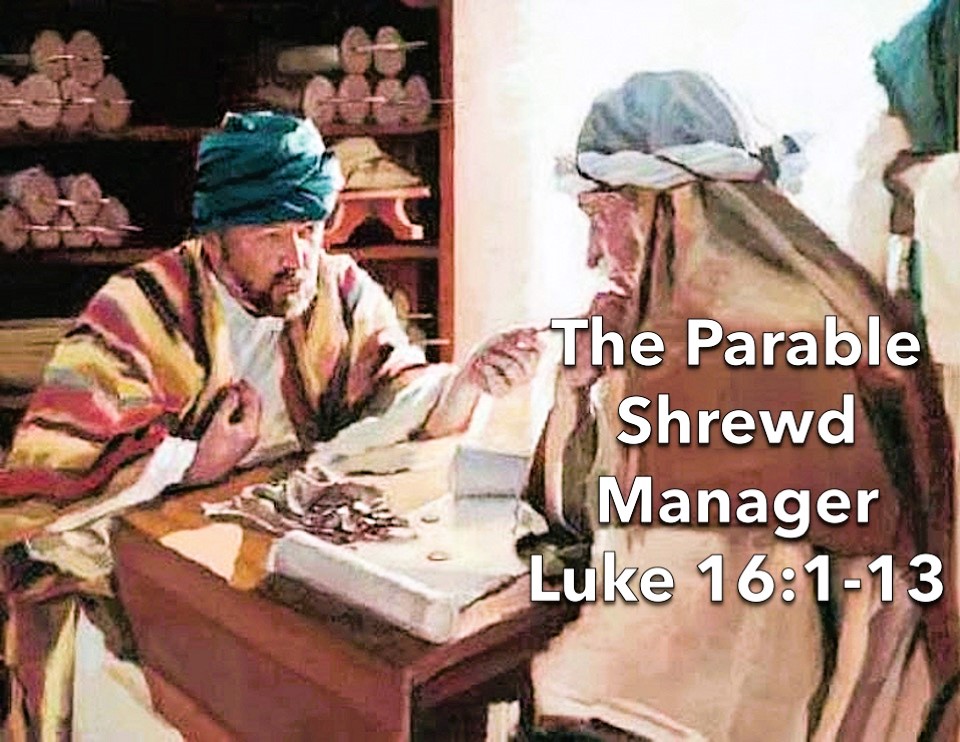
One of the most obscure parables Jesus related to His Disciples is found in Luke 16:1-13. The average Bible reader is left scratching his head as to what on earth Jesus is doing in this parable in which He lauds what seems to be deceitful behavior by the discredited manager of his rich master’s accounts. But once the reader sees the intended lesson, he is convicted by its message. Let’s see if we can’t unpack that message here.
-
A Critical Analysis of Eastern Orthodox Beliefs

In way of introduction, I have been forming my Christian beliefs, in some cases based on other’s views, in others personal study, for now some 20+ years. Recently, I have explored some of the beliefs and doctrines of the Eastern Orthodox Church, and, surprisingly perhaps, have found substantial overlap with my own. I say surprisingly, because I have never experienced any teaching of the Orthodox Church, a Church who claims its beliefs to be the authentic beliefs of the very earliest Christians. I would characterize my own beliefs as still shackled in some ways to traditional Western Christian doctrines (e.g.,…
-
A Conversion Story

I admit to selfish motives in penning this piece. How one comes to allegiance and obedience to Christ is an intensely personal story. And, others may likely find nothing in it to identify with from their own experience. But for me, at this point in my life, it is important for me to describe how my life was turned inside out if only for the benefit of my progeny if no one else. This is that story.
-
The Problem With Murder

We all have an instinctive revulsion of the wanton destruction of one of us by the hand of another. But why? If the victim is not one of our family or close relations, how is it that we feel the evil of his loss? How are we – the victim and I – connected? Where does our sense of the fact that his taking is evil come from? This piece is an exploration of a recent “revelation” I’ve been considering that points to a much more profound loss than the loss of just this one person.
-
Searching for a Consistent Biblical God

I wonder how many people have been thrown off of their inevitable search for God by what they perceive as not just the inconsistency of the characterization of God in the Bible’s Old Testament compared to His portrayal in the New, but by His seemingly severe, some would say immoral, characterization in the Old Testament. Wouldn’t it be wonderful if we could find and describe one, integrated, consistent whole of the Divine Nature across the entire Bible? Imagine being able to perceive God’s essential God-ness through a new lens, and so enable others to see beyond their personal prejudices. Looking…
-
Biblical Narrative As a Mosaic
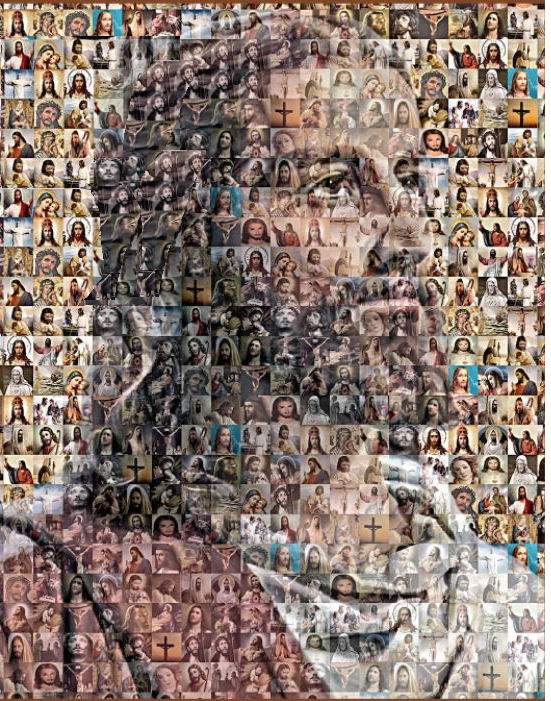
Most of us read the Bible as at most a narrative of the history of God’s people, culminated by some revolutionary stuff in the New Testament. And, it certainly, on one level, is that. But few of us read the Bible carefully enough or deeply enough to see its deeper construction as an intricate weaving of individual, but connected, narratives that all create a larger meta-narrative.
-
New Life in the Kingdom of God
In the second three chapters of Ephesians, Paul casts his revolutionized view of human life and interrelationships that, as much as any portion of his epistles, brings into sharp focus the life transformation that followers of Christ should both expect and strive for.
-
Believing is Seeing

Do you need to see concrete evidence for something before you believe it? Most people would say they do. Michael Guillen has written an insightful book arguing that, in fact, that’s not the case – that before you can actually see and accept something as true, you have to first believe it is true.
-
Abandoning the Love of Jesus

Modernity has gradually abandoned the love of Jesus as the key tenet of society with predictably disastrous effects. Ever since the Enlightenment (1650-1900) mankind has committed itself to a mission of analyzing technical and societal problems and, through its own IQ, skills, and determination (you know, “hard work”, etc.), “fixing” them.
-
A Call to a Radical Christian Revolution

The premise of this note is that in order to rescue this civilization, Christ Himself is going to have to “appear” in the world to demonstrate to its inhabitants that He is the way, the truth, and the life. And, since we Christians are the members of His body on earth, that job falls to us.
-
The Inversion of Virtue

The West, I argue, has turned a corner from which it will be impossible, short of a miracle, to un-turn. We’ve become addicts of narcissism, ignorant judgements, and feigned righteousness. We’re continuously fed their messages of “just a little more” so that our impending overdose is all but assured. But, perhaps most depressing is the fact that we don’t even realize it.
-
Love Your Neighbor as Yourself

Most will recognize this title as one of the most famous admonitions of Jesus of Nazareth. But most of us don’t have much experience in fulfilling it. How can we turn this around?
-
Make Straight the Way of the LORD

Anyone who has spent any time in Israel knows that it is a land of hills, and therefore of constant elevation change from one location to another. From the cliffs overlooking the Rift Valley of the Dead Sea and Masada in the South, to Qumran, to the Central Highlands, to the Golan Heights and Mount Herman in the far north. (If you’ve been there you may have heard the saying: “Everything is uphill in Jerusalem”.) How did this topography influence the Biblical authors?
-
A Defense of God’s Character From Calvinists

Calvinism defames and assaults the character of God. Here’s how.
-
Life Elevated

Much of today’s popular psychological messaging is designed to make us happy and content with ourselves by puffing up our self-esteem. Much of this messaging is commercial, designed to create in us a frame of mind favorable toward purchasing whatever is being sold. This psychology doesn’t have your best interests at heart; it doesn’t want what’s best and most edifying for you. It just wants your money, your time and attention, and your “clicks”.
-
Needfulness

If you haven’t yet recognized your abject needfulness; haven’t yet plumbed the depths of your prideful self-satisfaction with your comfortable, predictable existence as your greatest and most challenging failure, then you haven’t approached the door of God’s Kingdom, nor, perhaps, do you know where to look for it.
-
The New Covenant…of Moses?

It may come as a surprise (as it did to me) that Moses, virtually before Israel was identifiably a nation, predicted the replacement of the Covenant he was given for them by a succeeding, New covenant in which God took things into His own hands.
-
Rejecting God
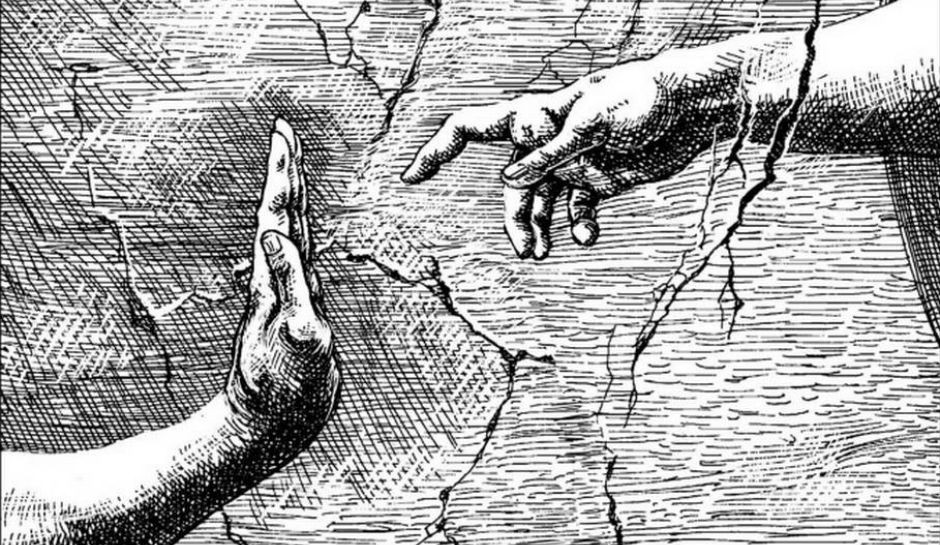
My purpose here is to raise awareness of the deep-seated origins of the civil unrest being played out today in the West. It’s just not as pat or as superficial as people in today’s media would have us believe. There’s much more going on here than simple protest.
-
Don’t Waste God’s Time

Few understand what being called into the life of Christ means to them or requires of them. Fewer still understand, having answered this call, how such a life is even possible, let alone what that life looks like as it is lived out. And very, very few know that answering that call and living that life is what God expects of all of us.
-
Freedom from Disquiet

It’s interesting to me that today in the West, a substantial portion of the population apparently believes that they have an innate right to not be exposed to anything that upsets them – be it KAG hats, critical commentary (social media posts?) on their ideas, objective description of our real history, moral values… whatever. This is a prescription for disaster.
-
The Law of Faith

Paul in Romans 3:27 says: Then what becomes of our boasting? It is excluded. By what kind of law? By a law of works? No, but by the law of faith. Unfortunately, Paul never explicitly tells us what this law is that he is referring to (this is the only occurrence of the phrase not only in Romans, but in the entire Bible.) In order to understand his meaning, we’re going to have to do a bit of exegetical work on the argument he is waging in Romans 3 and preceding.
-
The Obedience of Faith

In this note we’ll look at this imperative of obedience to Christ as portrayed in the Bible, and uncover some insight into what the Bible means by “obedience” and “believe”.
-
Recovering the Gospel – II

Here I want to look at, to the degree we can, how Jesus Himself thought about the Gospel He was bringing. What did He think the Gospel was that He was bringing, and, more importantly for our present situation, how did He see it being enacted?
-
Recovering the Gospel – I
When you hear the term “Gospel”, what story or message comes to mind? When you hear the statement “Believe and be saved”, what does “believe” mean to you? And when you read: “For by grace you have been saved through faith”, what is your understanding of what “faith” looks like?
-
A Fresh Look at Paul

What was Paul teaching us in his epistles? Ever since Martin Luther and the Reformation he inspired 500 years ago, we’ve thought we knew. However, in the last 30 years, a different understanding has been proposed as the result of research to understand Jewish thinking on their relationship to God in first-century Israel, so that Paul’s messages could be interpreted within this context that surrounded him.
-
Biblical Love
In the Bible the people of God are commanded to love Him (Deut 6:5, 11:13, 30:6, Mt 22:37) and love their neighbors (Lev 19:34, Mt 22:39-40), whether those neighbors are love-able or not. But what is Biblical love? And how do we get it, and give it away[i]?
-
The Parables of the Treasure and Pearl

What did Jesus intend for His audience to understand from these similes?
-
Dispelling Christianity as “Hate”

Christians today face sometimes virulent hatred from secularists. Why? We even have people who profess to be Christian demeaning their supposed brethren. What’s prompting all of this revulsion and disdain, if not outright hatred, and how should we respond (if at all)?
-
Living Christ

This note focuses on the sincere Christian desiring to live the life he has been called to live in Christ — to live your life as Christ would live it if He was you.
-
Creation: A Design for Glory

Did God “know” the future “before the beginning”? Or did He simply design it?
-
Hearing the Good News
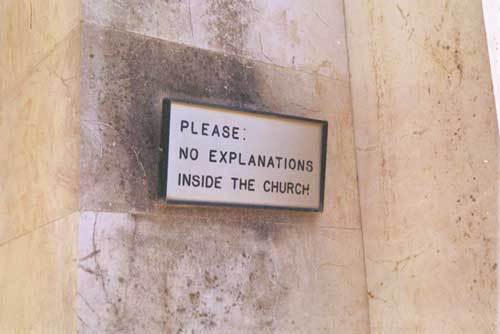
Most modern western Christians miss what the Bible has to say about its good news – the Gospel of Christ. It’s right there in black and white. But somehow they miss it – read right past it. How does this happen?
-
The Economy of God

God’s economy is not a traditional economy but it does have some characteristics in common with them. Both are composed of a series of “transactions” – interactions between “supplier” and “acquirer”. However, this is largely where the analogy ends. The economy of God doesn’t have a measure of value that you can denominate in quantitative units. It also isn’t constrained by a finite amount of value. Its source of value is God Himself, whose resources are inexhaustible.
-
The Chimera of Being a “Good” Person

Most everybody not only wants to be a “good” person but thinks they currently are. Such self-assessments are natural, and possibly critical in maintaining a sense of self-worth — of your psychological wellbeing. As this article points out, everyone thinks they’re good. More than that, they think they’re better than most everybody else. But how can everybody be right about this?
-
Being a Disciple
Not many self-proclaimed Christians these days would claim the mantle of “Disciple”. They think those were the twelve guys who followed Jesus around (or were they Apostles?). Most have no idea what the term means and what is, therefore, involved in actually becoming one.
-
God’s Calling to Himself

When you read something in the Bible, perhaps for the umpteenth time, but suddenly it communicates something new to you, you pay attention. Such was the case when I ran across (on my way to researching a completely different topic) these verses in Hebrews 3:7-8:
-
Christianity for Dummies

What is Christianity, really, and what do Christians believe and how do they live? There are lots of platitudes and stereotypes around, but very little real understanding. The purpose of this note is to try to cut through the misunderstanding and answer these and other related questions in simple, direct and common language.
-
Israel, Judah and Jerusalem in Prophecy

Confusion by those reading the Old Testament’s (OT) prophecies regarding Israel, Judah, Jerusalem, and Zion has resulted in profound disagreements by interpreters. Some (Jews, many Dispensationalist Christians, and some “Hebrew Roots” Christians) believe the prophecies should essentially be taken literally. The Jewish Temple will be rebuilt in Jerusalem in the future; all people of Jewish descent will return to the land of Israel in the future, and all others in the world will pay homage to the God of Israel in pilgrimages to Zion. This is the view of the majority of Western Christians, as a result of the popularization…
-
Perceiving God

Christians are taught to “know” and love God. And for some, their experience in the faith leads them to moments of perceiving God with them. Here I’m not talking about some strange incursion into your life by some spirit-like presence, perhaps in response to some crisis or loss in your life. The web is full of such event-induced testimonies, and, no doubt some are true, and some are even God. No, I’m referring to times typically of quiet reflection in which you sense the reality of God with you. These episodes are far more intense and immediate than the Spirit-filled…
-
Not One Stone Left Upon Another

Do you know why God had to see to the destruction of the Jerusalem Temple? I didn’t.
-
The Jewish and Christian God

Jews and Christians have almost nothing in common except their God. He is one and the same God. Jews believed they were chosen by God for special blessing, that this blessing was an inheritance due to their birthright, originating with their father Abraham if they would only faithfully live by His Law (discussed, below). They didn’t concern themselves with “going to heaven” (at least until the advent of their Pharisees in the first century BC), but were very concerned about their survival from hostile surrounding nations. And so, to them, God would “save” them, His chosen people, from these earthly…
-
Seek First the Kingdom of God

Not all Christians experience the same quality of spiritual life. For some, their lives are joyful, full of confidence, full of assurance of their acceptance and eventual reward, and full to overflowing with the Spirit of God, to the point that they feel compelled to give it away to those around them. For others, life is more measured, perhaps a bit more stressful, containing more concern, at least to a degree, for some of the things in their lives, resulting in worry. They are somewhat discouraged by the lack of spiritual “fruit” in their lives. They want to love, and…
-
Belief, and the Indwelling of the Holy Spirit

There appears to be in the Christian church today a profound misunderstanding of the working of Salvation in the Christian’s life. On the one hand, we have the tried and true fundamental statement of salvation found in Paul’s epistle to the Ephesians (2:8): For by grace you have been saved through faith. And this is not your own doing; it is the gift of God, not a result of works, so that no one may boast. When one hears and receives this glorious proclamation, he breathes a groaning sigh of relief. “I no longer have to strive to please God…
-
Free Will?

If God decided the destiny of every person that would ever live before the foundation of the world, why bother exhorting people to change their lives? If God directs every (significant) action and outcome of everyone’s life, why tell them to change? They’re just doing what God specifies they do. If God didn’t provide humans with free will, why then spend many Biblical books appealing to those same wills to change what they think and believe, telling them what they should choose to think and believe instead?
-
The Grace of God

The grace of God is widely misunderstood by Christians today. I misunderstood it for decades, to my humiliation. So I can easily understand why and how others can be misled. In searching for a definition, the one that I feel best describes its efficacy is provided by Dallas Willard: “Grace is the action of God in our lives to accomplish what we cannot do on our own.”
-
Thinking About the Trinity

Don’t make it hard. Don’t overthink it. “Hear O Israel, the Lord is our God, the Lord is One”
-
Forsake Offense

When many look at what’s going on today they see an attack on their long-held values. Others see sinister forces at work to prevent them from achieving a better society. And let’s just stipulate that both are reacting honestly, in that their feelings are not fake. What’s unusual today is the strength of those feelings. It’s true that the media does its best to stoke the flames of those feelings. But unless you spend your day glued to a media outlet, its hard to believe that you are significantly more agitated by today’s events than, say, those of the 1960’s…
-
The Narcotic of Moral Superiority

Just sitting here, listening to a bit of the media frenzy following Trump’s statements on the Charlottesville tragedy, and wondering if the genie is now truly out of the bottle. He said the apparently unsayable – that both sides of the confrontation shared blame. You can’t say that in the media’s America. After all, we’re talking about Nazis here – vile, evil, haters of people different than them. The story being pushed is that this confirms that Trump and everyone associated with him have exposed themselves as just such vile, evil, white supremacists.
-
Israel as Metaphor
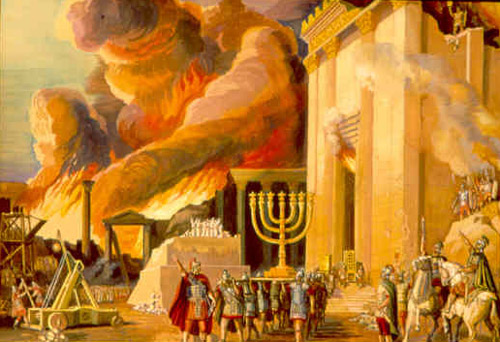
Those familiar with the Jewish Bible — the Tanakh — or what Christians call the Old Testament, have puzzled for centuries over the meaning of the failed history of the Israelites, culminating in the destruction of their Temple and Jerusalem in 70AD, and their destruction or banishment from their homeland in 136 AD following the Bar Kokhba revolt. What exactly does it mean that God chose the Israelites from all the peoples of the world, led them, gave them a homeland and, for a time at least, heaped blessings on them only to have them nearly universally turn their backs…
-
Scientific Evidence for God

From our earliest days, we have perceived God through His creation. From the majesty of the Universe to the delicacy of a hummingbird, or the simple beauty of an Orchid, we have equated the exquisite wonder of creation with its even more majestic Creator[1]. Today, however, the evidence science finds in God’s “Second Book” – Nature – for the creative signature of God himself is overwhelming. It is virtually beyond dispute today that the Universe had a beginning, and came from nothing (ex nihilo). This makes the Biblical story unique among all religions’ stories of the beginning.
-
The Bible
Is the Bible itself an evidence for God? Well, one would be hard-pressed to find another 2500-year-old document that continues to influence the moral behavior of millions of people daily. Why do you suppose that is? Is it because standing against the cultural tide is somehow trendy? Or that dying to yourself so that you can live for God is somehow ‘cool’? Or, is it more likely that the Bible actually is God’s instruction for us, and that as a result, he has seen to its preservation for these millennia?
-
The Christian Message and Its Story of God
So what is this Christian message, and why, for growing numbers of people today, has it been either ignored or judged irrelevant?
-
Christianity in the Age of ‘Whatever?’
Lots of people write blogs. Very few people actually read them. So why this one? Recently I’ve been absolutely stunned by the power of the delusion our society is suffering regarding truth, good and evil. In this perverse worldview, people who elect to strap on explosives and detonate them, or fire automatic weapons at unsuspecting innocents aren’t really “wrong”. In this worldview they are just reacting to our evil. What is also remarkable is the popularity of this view. We’re all familiar with the phenomena of ‘political correctness’, in which what most people once agreed was simple, honest, common sense…