Category: Hebrew Bible
-
Moses in Egypt?
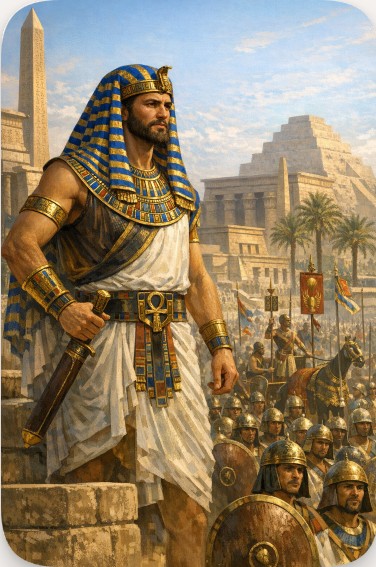
The Bible’s Exodus narrative is quite specific about Moses’s history in Egypt: his adoption by the Queen; His rise to responsibility and power under Pharaoh; his crime, and his flight to Midian to escape justice. And from Moses’s introduction in this narrative, the Exodus author goes out of his way to inform us that Moses is from the tribe of Levi. We’ll look for Moses in the historical record, we’ll also try to understand the significance of his Levite identity. And, we’ll propose his place in the historical record of Egypt.
-
Israel in Egypt?
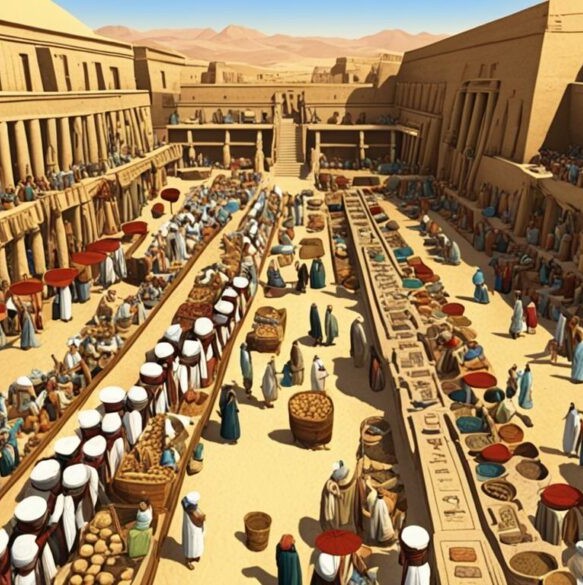
Where is the evidence for Israel in Egypt and their Exodus from it? When we look for its memory in Egypt we don’t find it. When we look for it at Jericho we don’t find it. When we look for it in Egyptian or Mesopotamian records we don’t find it. You would think something as momentous as an entire nation emigrating from one land to another would get some mention in the historical (not just the Biblical) record. But we don’t see it, explicitly. Did it not happen (at least as recorded in the Bible)? Or, did it happen, but…
-
The Development of Israel’s Idea of Righteousness
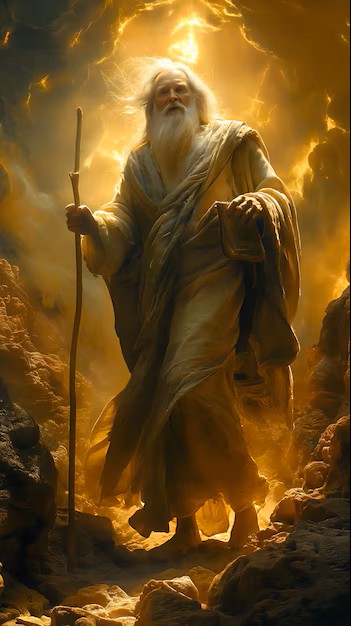
“Righteousness” to Israel came to mean being acceptable to God. Most know that the Ten Commandments given by God to Israel at Sinai served as the foundation for Israel’s idea of righteousness. The evolution of Israel’s received understanding of their position vis-à-vis the status of “righteous” to God was dependent on their progressive revelation by God of His will for therm. And, they had to fight through many false declarations intent on obscuring the truth to benefit men. While the Decalogue remained the bedrock of Israel’s moral imperative, their view did not remain static but developed through their history. Our…
-
The Fraudulence of “Biblical Historians”

Just a quick note. Over the past many years in reading the work of “Biblical Historians” I have been struck by what, perhaps, should have been self-evident to me from the beginning. These “scholars” are not trying to understand why, for example, Jesus’ disciples all chose (with the exception of John who was exiled to an island to live out his life) to be martyred rather than renounce their faith — at least according to the accepted tradition.
-
Unpacking the New Covenant Gospel

Many Western Christians [i] and secular individuals have misunderstood the core message of the Bible’s Good News for centuries. This analysis aims to clarify the true Gospel, obscured since the Reformation, by examining relevant New Testament and Hebrew Bible passages to determine whether they support or challenge what I’m referring to as the “New Covenant Gospel”, first proposed by Dr. Jason A Staples. This interpretation diverges from the traditional Gospel message fundamentally.
-
Whatever Happened to Yom Kippur?
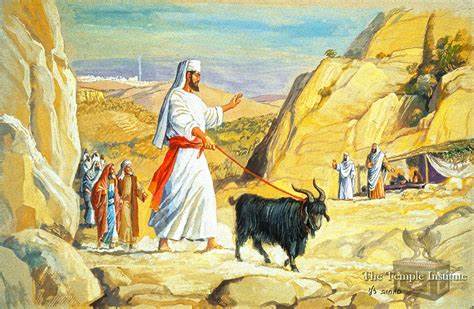
I spend virtually zero time reading the Talmud. However, I recently stumbled onto a video presentation that describes some radically strange stuff there having to do with the Yom Kippur ceremony, especially after 30 AD. Especially for Christians, this is a must-know piece of Jewish legend.
-
How Old is the Hebrew Bible?
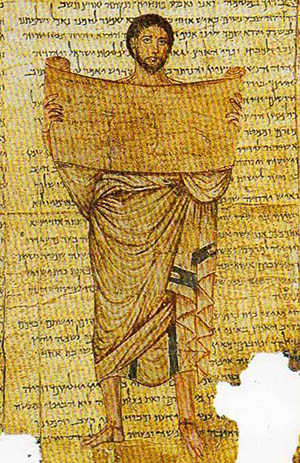
How old are the books of the Hebrew Bible, and why should we care? Since the Bible is likely the most influential book ever written, we deserve to know the truth of its composition and history.
-
The Priestly Slander of Moses

The Hebrew Bible presents conflicting political viewpoints between its authors. The priestly viewpoint seeks to distance itself (and its readers) from the mythic legacy of Moses as the redeemer of the nation of Israel and replace it with a system of abject reverence for, and obeisance to, the Aaronic priesthood. We’ll examine a few examples of how this conflict is played out in the text.
-
Searching for the Bible’s Sources

Many laymen dispute that the Pentateuch was written by several distinct authors. Biblical scholars don’t. But they disagree on who those authors were and what they wrote. If we stipulate that the authors of the Documentary Hypothesis wrote the Pentateuch, what can we discover about their backgrounds and worldviews? Let’s see.
-
The Origins of Judaism

When did “Judaism” begin to be widely practiced (i.e. widespread adherence to what we today recognize as the rules and calendar of the Pentateuch)? Irrespective of when the individual books of the Pentateuch were written, when did the majority of Judeans begin to live them out? The answer is quite shocking.
-
New Heavens and New Earth

What is the proper interpretation of the Bible’s passages describing the Eschaton — the end and resolution of the world? Most, for the last 1200 years or so, have believed that when they die, they will go to “heaven”, despite the paucity of biblical evidence for this view. But what happens at the end of all things? Surely it is a point in time beyond which all of God’s plans for His Creation are realized.
-
Did Jesus Say He Was YHWH?

In a recent video interview, Dr. Jason Staples presented the outlines of his argument that lexically, Jesus referred to Himself as YHWH in both Luke and Matthew. Now, if you’re comfortable with the whole “son of God” characterization, this may be a bit jarring
-
What Did the “Law of Moses” Mean To…?

This post presents a three-part series looking at what the term “Law of Moses” (and similar) meant to different people at different times in the Bible; 1) The Israelites, at various points in their history, 2) Jesus (in His many interactions with others involving His understanding of its meaning), and 3) Paul, who infamously dismissed “works of the law” as valid for justification of his Jewish brethren.
-
Jesus and the Moses Scroll

Our purpose here is to compare and contrast the “Ten Words” (Decalogue) found in the “Moses Scroll” (MS) with both of the other canonical versions found in Exodus and Deuteronomy, but also with the teachings of Jesus. We’ll see if the nuances in the MS Ten Words (and their blessings and curses) can also be detected in Jesus’ teachings. And if they can, can we propose how such a linkage could exist when at the same time it is missing or much harder to find between our published versions of the Decalogue? Let’s see.
-
Moses’ Real Words?
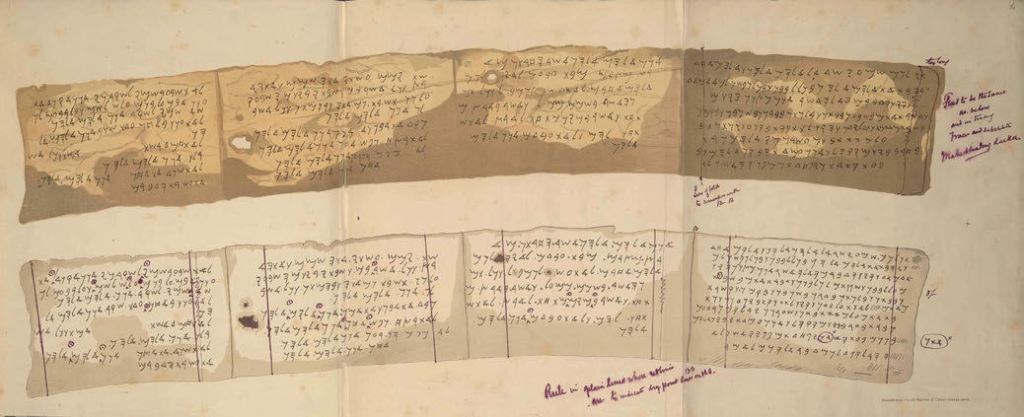
In the 1880’s an antiquities dealer in Jerusalem came into possession of an apparently ancient “scroll” consisting of fifteen strips of leather containing paleo-Hebrew texts. Within a period of five years of their “publication”, the fragments had been declared forgeries by “experts” in Europe, and shortly thereafter, the antiquities dealer, Moses Shapira, committed suicide in a Rotterdam hotel room in 1884. But what if they were authentic? That’s the question I want to pose and try to answer.
-
How Jesus Taught
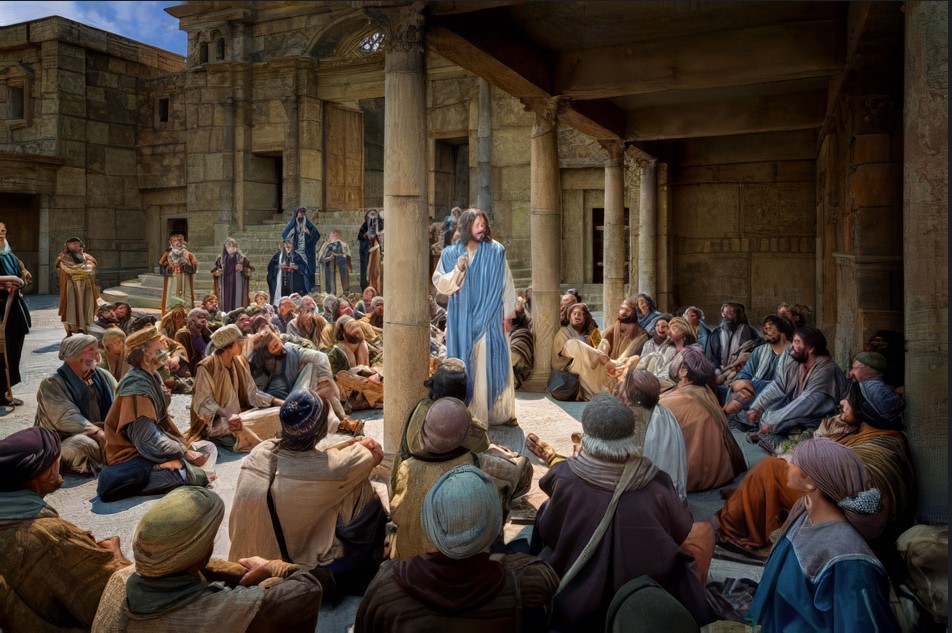
When we read Jesus teaching in the New Testament, we know instinctively that He is speaking and teaching differently than we do today in the modern West. How is it different? What influenced His teaching “style” that we have become so familiar with over the years, but remains so distinctively “foreign” to our modern, Western ears. That’s what we’ll dig into and explain.
-
God’s Issues With the Temple Cult

A casual reading of the Pentateuch leaves one with the impression that, for some unexplained reason, God created a line of priests to mediate between Him and His rescued Hebrews, and laid out in meticulous detail an intricate and fully-developed sacrificial system, tabernacle, and culture. A more careful reading, however, at the very least calls into question the God-ordained pedigree of these details and practices. Scholars, theologians, Rabbis and regular Bible readers have noted these issues for centuries[i],[ii]. And, we know that we have biblical textual scholars telling us that most of the Pentateuch was authored between the 8th and…
-
Which Way to Horeb?
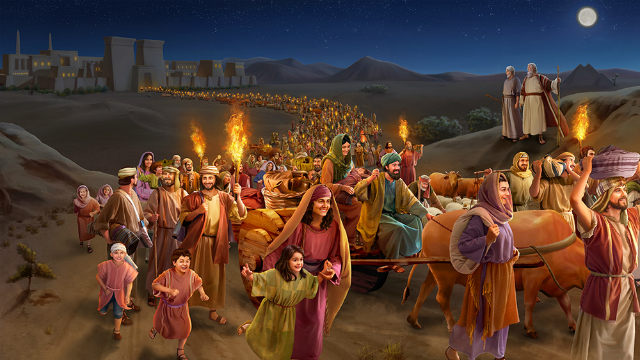
The Exodus itinerary is a riddle wrapped in a mystery inside an enigma. We don’t know where virtually any of its stopping points were. At best we know something about what was there, and, rarely, how long they traveled to get there. And, of course, there’s the inertia of the traditional explanation (i.e. via Sinai’s St. Catherine’s) and its advocates more or less dominating the discussion (and generating quite emotional reactions to any proposed alternative). Truth in advertising: I don’t subscribe to the most popular theories that have Israel crossing the Gulf of Aqaba either at Nuweiba or at its…
-
What, Or Who, Are the Bible’s Heavenly Beings?
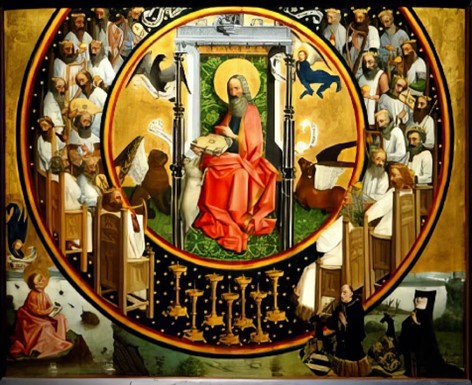
One of the more obscure concepts in the Bible for me has been the idea of Heavenly beings. I say it is obscure because when they are mentioned in texts they remain quite enigmatic, and opinions among biblical scholars and theologians concerning the nature of these beings vary all over the map. In diving into this subject we have to keep in mind that the question is: “What was in the mind of the biblical authors when they referred to a ‘divine council’, or ‘sons of God’, or ‘hosts of heaven’”, NOT what the reality is (something I contend we…
-
Israel’s Claim to the Land

Given the current situation in Israel, not to mention the context of the disputes over the past 80 years, I think it is worthwhile to evaluate what the Bible has to say about Israel’s claims to their land today. The Bible is overflowing with hundreds of instances of God promising the land of Israel (“Canaan”) to the Israelites, both post-Egypt and post-Assyrian and Babylonian exiles. Certainly, it is a popular opinion today that modern Israel – the nation established by the UN in 1948 – has some form of biblically mandated franchise on these promises of the land known as…
-
The Kingdom of God
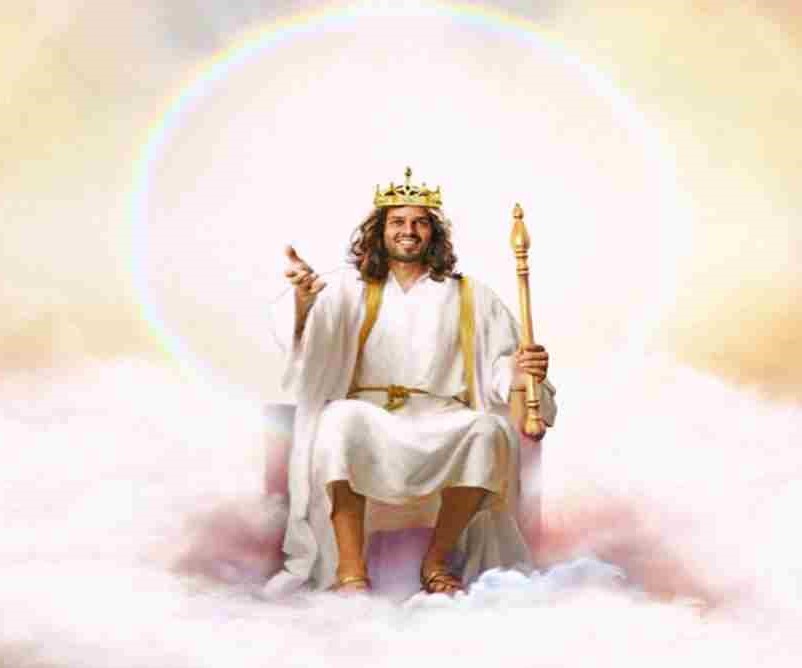
Who believes they have a sound, well-supported understanding of what Jesus was talking about when He taught on the Kingdom of God/the Heavens? I thought I did. And I almost did. But one of its key characteristics – when it started – I have been completely mistaken about.
-
New Testament Uses of Old Testament Texts

How much do you know about the nature of references made by New Testament authors to Old Testament scripture? It turns out that there is an entire academic field centered on the study of this subject. And, there seems to be at least two conflicting views among scholars of these New Testament (NT) citations of Old Testament (OT) texts.
-
The “Fulfillment” of Scripture
Luke 4:[17] And the scroll of the prophet Isaiah was given to him. He unrolled the scroll and found the place where it was written, [18] “The Spirit of the Lord is upon me, because he has anointed me to proclaim good news to the poor. He has sent me to proclaim liberty to the captives and recovering of sight to the blind, to set at liberty those who are oppressed, [19] to proclaim the year of the Lord’s favor.” [20] And he rolled up the scroll and gave it back to the attendant and sat down. And the eyes…
-
Understanding the Language of “Day of the Lord”
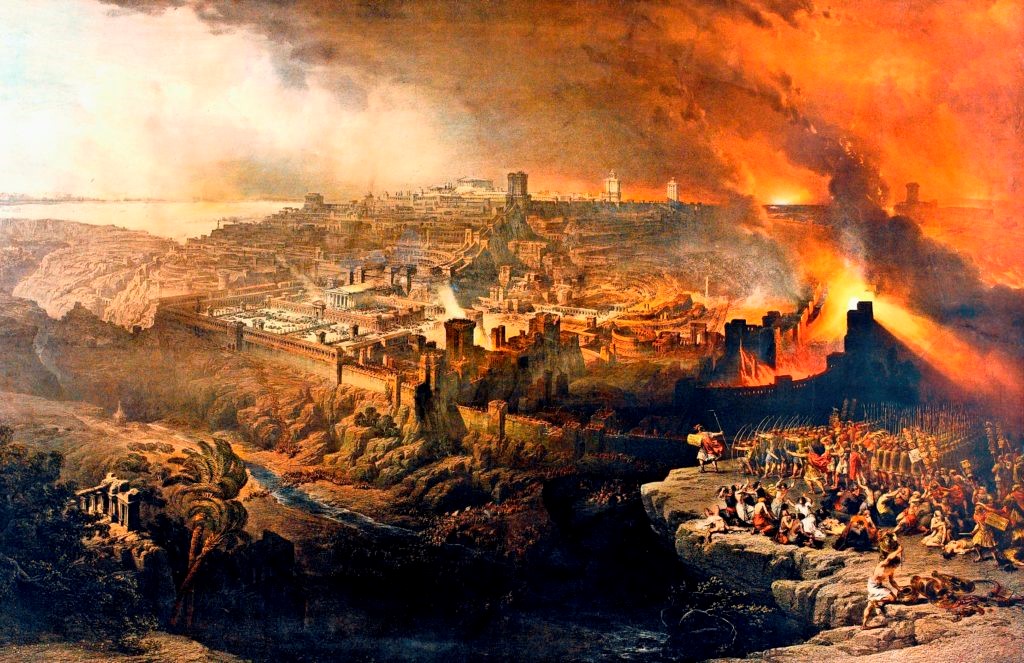
The prophecies that use the oft-repeated term “day of the Lord” in describing a pending judgment by God resulting, typically, in some cataclysm, are referred to as Day of the Lord (DOL) prophecies. Most of the occurrences within the Bible of the use of this phrase appear in the writings of the Minor Prophets: the so-called “Book of the Twelve”[i]. It’s not uncommon for a DOL prophet to mix separate prophecies having to do with two or more imminent, future, or far-future prophecies[ii]. When all these prophecies use elements of the same apocalyptic language to describe their events, it becomes…
-
Uncleanness, Sin, and Holiness in the Hebrew Bible
Most modern Christians (and essentially all unbelievers) misunderstand the key patterns used by the Hebrew Bible to convey the concepts related to Holiness. They tend to see a binary pattern that can be summarized as: “Holiness is the absence of Sin”. But that’s not the pattern that the ancient authors of the Torah were guided by. Certainly, there is a relationship between sin and holiness. But it’s just not the one we moderns think of. Let’s see what it is.
-
Where Did YHWH “Come From”?

Most of us are familiar with the Biblical story of YHWH introducing himself to Moses, as Moses was shepherding a flock, as a vision/theophany in a burning bush adjacent to Mt. Sinai/Horeb (Ex 3:1-2, 15). (For the uninitiated, your English Bible’s use of the word “LORD” [all caps] is its symbol for God’s name, YHWH.) There is a long tradition of Israel’s recognition of their God first occurring in the deserts south of Israel, in Midian through this episode. Midian was an area of today’s NW Arabia, home also to a people known as the Kenites. We’ll look at that…
-
Some Narrative Patterns in the Hebrew Bible

One of the dominant features of the Hebrew Bible is its use of purely literary or literal-historical patterns – whether of actions, of the circumstances of characters, or similarities in narrative construction. Interestingly, some of the Bible’s patterns may just be literary devices for their own sake. This article identifies dozens of such forms. But the narrative patterns we’re interested in are those that serve through their repetition/reprise to underscore the importance of the pattern to the story of God and His people. Here we’ll dig into some examples of those that fall into this latter category. What we hope…
-
The Lesson of Ecclesiastes

Those somewhat familiar with the book of Ecclesiastes know that its headline message is encapsulated in its second verse, Ec 1:2: [2] Vanity of vanities, says the Preacher, vanity of vanities! All is vanity. The book’s Hebrew title is Qoheleth whose meaning roughly is “an expounder of wisdom”, the narrator of the book.
-
Make Man In Our Image

What does “Let us make man in our image, after our likeness” (Gen 1:26) mean about us? And, what does it mean that God gives man “dominion” over the living things in His Creation? And, what on earth does this have to do with prohibiting them from worshipping idols? Let’s find out.
-
Who Wrote the Hebrew Bible?
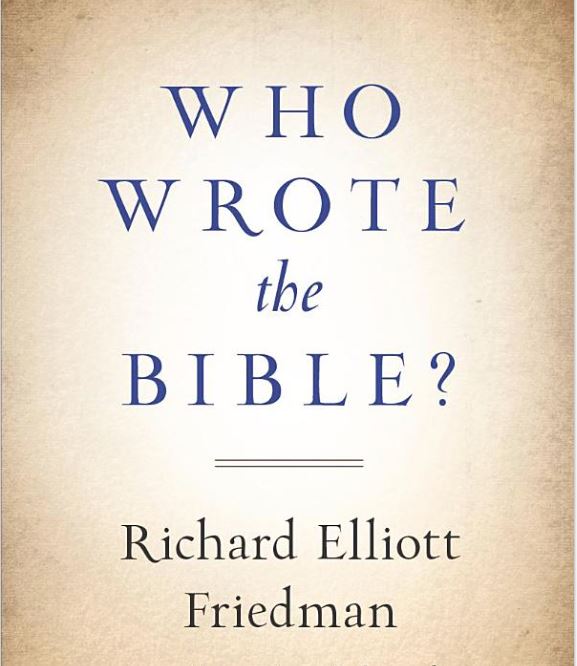
Is it possible to figure out how the Hebrew Bible was written, by whom, and when? Those who study the text for a living would say “yes”. Among them is Richard Elliot Friedman, in his 1987 book “Who Wrote the Bible?” (updated in 2019). In it, Friedman makes an absolutely fascinating and substantially believable case for the origins and authorship of the Hebrew Bible. In this note, we’ll try to outline his major findings and summarize some of the textual data and analytical reasoning he uses to come to his conclusions. And, as we have done previously, we will ask…
-
A Reassessment of the Source(s) and Authenticity of the Hebrew Bible
All scripture is inspired by God and useful for teaching, rebuking, correcting and training in righteousness, that the man of God may be complete, equipped for every good work” (2 Tim 3:16-17). There is a festering dissonance today between the traditional view of the Bible by people of faith (both Jew and Christian), and the data uncovered within its text by those scholars known as Text- or Source-critics – people who study only the text to learn its dating, and authorship/sources. But, (and this will be my key point) I have concluded that the text-critical data concerning when or by…
-
Interpreting the New Covenant
There is substantial controversy surrounding the proper interpretation of the announcement of a New Covenant between God and Israel and Judah (Je 31:31-34, Ezk 36:24-28). Both the Jewish and Christian interpreters spin its interpretation to suit their theological views, leaving no consensus. Let’s see if by working through the texts we can discover the truth.
-
Wrestling With the Origins of the Pentateuch

Modern Biblical scholarship has concluded that the majority of what we now have in the Biblical Pentateuch was substantially written in the seventh to fifth centuries BC. This creates a formidable problem for the traditionalist view (of both Jews and Christians) that holds that these foundational works were written by Moses, in Moses’ timeframe. But should it?
-
Did God Want a Temple, Sacrifices, or a Monarchy?

People casually familiar with the Hebrew Bible and its narrative of the history of Israel generally accept that the cultural symbols and practices that developed in that history were prescribed – even commanded – by their God Yahweh (YHWH). A little study, however, reveals a much more ambiguous situation.
-
In the “Bronze Age”, Where Did the Bronze Come From?
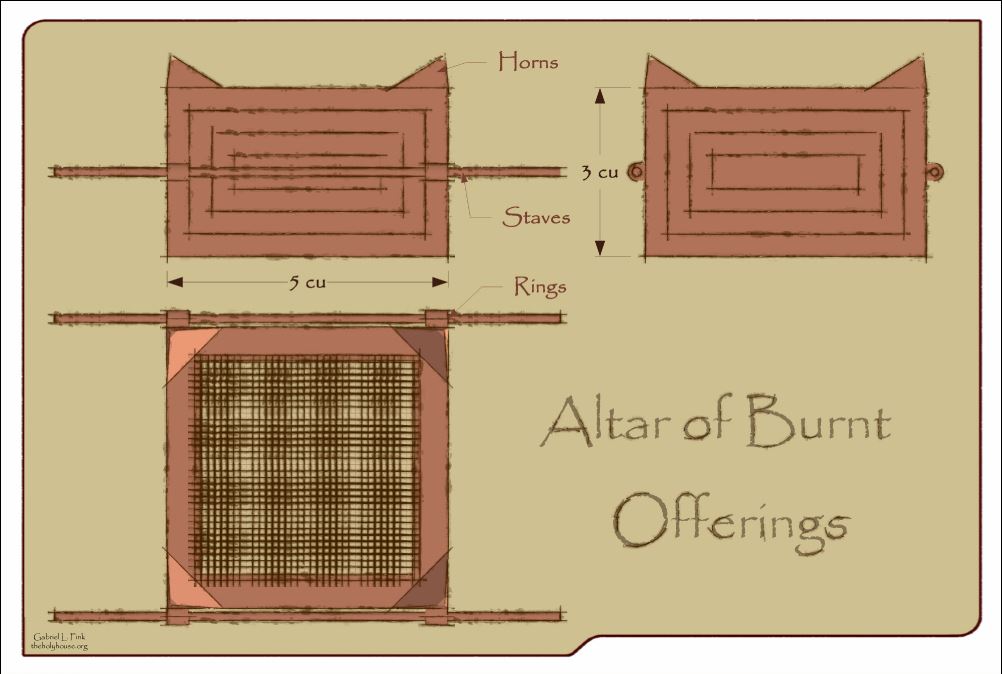
Undoubtedly, this little monograph will be met with yawns of disinterest from most. I started thinking about the question of how the wandering Hebrews could come up with enough bronze to fashion the altar God commanded them to make while researching another Exodus topic. Since an entire epoch of some 2.100 years was named for the metal, which happened to encompass the beginnings of civilization and the first monotheistic religion, I decided to at least ask the question.
-
Searching for a Consistent Biblical God
I wonder how many people have been thrown off of their inevitable search for God by what they perceive as not just the inconsistency of the characterization of God in the Bible’s Old Testament compared to His portrayal in the New, but by His seemingly severe, some would say immoral, characterization in the Old Testament. Wouldn’t it be wonderful if we could find and describe one, integrated, consistent whole of the Divine Nature across the entire Bible? Imagine being able to perceive God’s essential God-ness through a new lens, and so enable others to see beyond their personal prejudices. Looking…
-
Biblical Narrative As a Mosaic
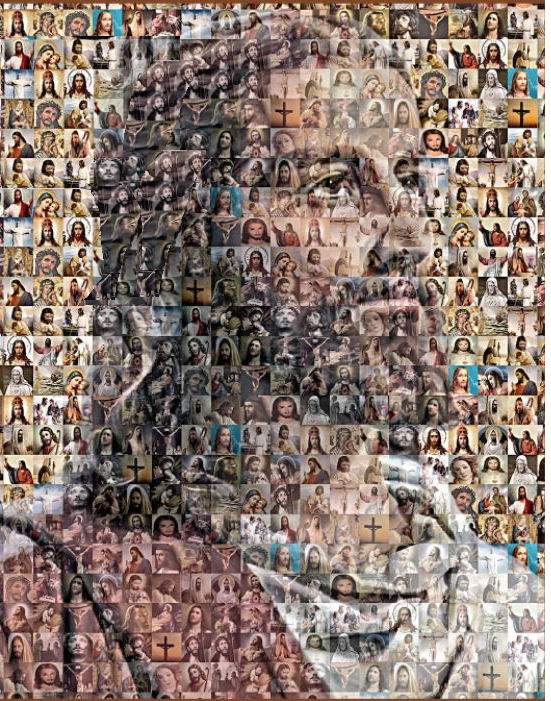
Most of us read the Bible as at most a narrative of the history of God’s people, culminated by some revolutionary stuff in the New Testament. And, it certainly, on one level, is that. But few of us read the Bible carefully enough or deeply enough to see its deeper construction as an intricate weaving of individual, but connected, narratives that all create a larger meta-narrative.
-
The “X-Files” of the Tanakh
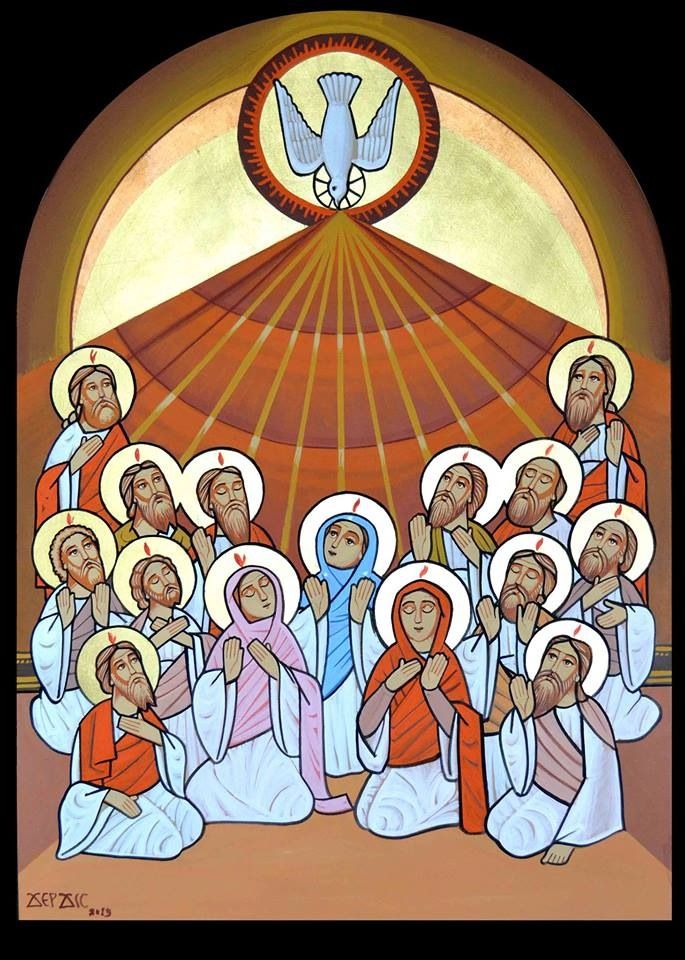
There is some very strange stuff going on, semantically, in the Tanakh – the Old Testament. Our English translations hide much of it, allowing us to blithely assume that unclear verses are either just poorly translated or, perhaps, intended to be purposefully obscure. But, what if their obscurity/ambiguity reveals some much deeper meaning than simply the literal texts in which they appear? And, if there is a deeper meaning, what could it be, and what is it likely to be?
-
“Angels” of the LORD
The Hebrew Bible (Old Testament) has many stories in which beings typically identified as “an angel of the LORD ”, or just “angel”, are depicted interacting with people as, apparently, another person. What can we learn about these persons from the texts? More than you might think.
-
Did God Deceive Israel?
People who read the Bible somewhat seriously are well aware of the Biblical story leading up to the nation of Israel; their near-total rejection of their redeeming God; His attempts to retrieve them from their apostasy; and their ultimate destruction as a nation and collection of tribes in 70 and 135 AD. What some may fail to notice is that even before they entered the “promised land”, God had foretold their apostasy and that, as a result, they would endure the curses articulated in His covenant made with them at Horeb.
-
Isaiah’s Servant and “Israel”
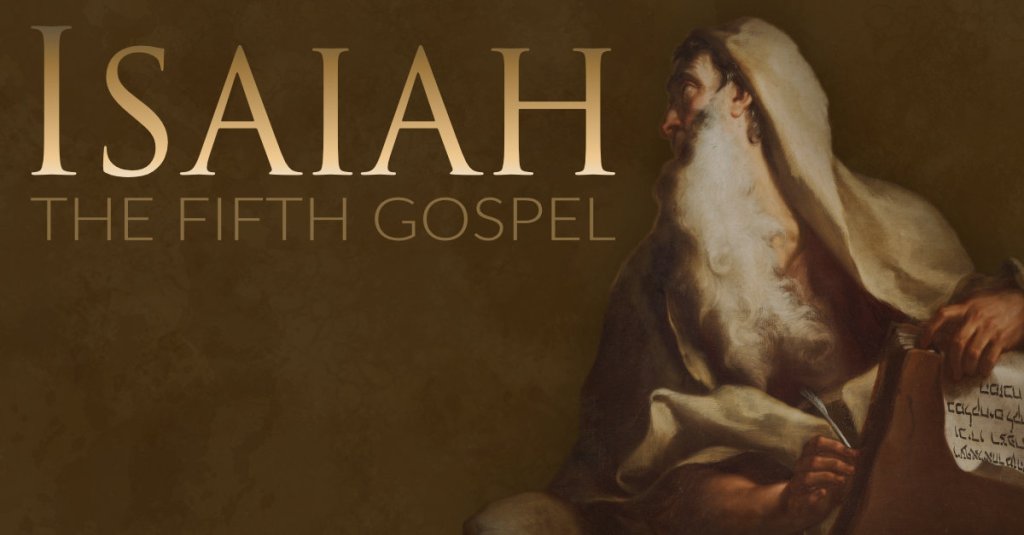
The book of Isaiah is in many ways a riddle wrapped in a mystery inside an enigma. In it, we find a seemingly bipolar God concerning His chosen but about-to-be-exiled Israel. One moment He chastises their behavior while the next He promises future redemption and blessing. And in it, we find the enigma of His servant – sometimes His beloved Israel, and sometimes…well, someone else, unnamed.
-
The New Covenant…of Moses?
It may come as a surprise (as it did to me) that Moses, virtually before Israel was identifiably a nation, predicted the replacement of the Covenant he was given for them by a succeeding, New covenant in which God took things into His own hands.
-
Recovering the Gospel – I

When you hear the term “Gospel”, what story or message comes to mind? When you hear the statement “Believe and be saved”, what does “believe” mean to you? And when you read: “For by grace you have been saved through faith”, what is your understanding of what “faith” looks like?
-
Creation: A Design for Glory

Did God “know” the future “before the beginning”? Or did He simply design it?
-
God’s Calling to Himself

When you read something in the Bible, perhaps for the umpteenth time, but suddenly it communicates something new to you, you pay attention. Such was the case when I ran across (on my way to researching a completely different topic) these verses in Hebrews 3:7-8:
-
Israel, Judah and Jerusalem in Prophecy

Confusion by those reading the Old Testament’s (OT) prophecies regarding Israel, Judah, Jerusalem, and Zion has resulted in profound disagreements by interpreters. Some (Jews, many Dispensationalist Christians, and some “Hebrew Roots” Christians) believe the prophecies should essentially be taken literally. The Jewish Temple will be rebuilt in Jerusalem in the future; all people of Jewish descent will return to the land of Israel in the future, and all others in the world will pay homage to the God of Israel in pilgrimages to Zion. This is the view of the majority of Western Christians, as a result of the popularization…
-
The Jewish and Christian God

Jews and Christians have almost nothing in common except their God. He is one and the same God. Jews believed they were chosen by God for special blessing, that this blessing was an inheritance due to their birthright, originating with their father Abraham if they would only faithfully live by His Law (discussed, below). They didn’t concern themselves with “going to heaven” (at least until the advent of their Pharisees in the first century BC), but were very concerned about their survival from hostile surrounding nations. And so, to them, God would “save” them, His chosen people, from these earthly…
-
Israel as Metaphor
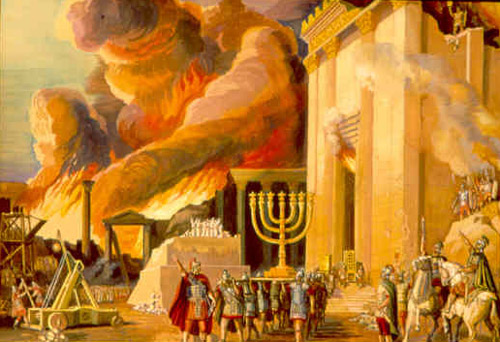
Those familiar with the Jewish Bible — the Tanakh — or what Christians call the Old Testament, have puzzled for centuries over the meaning of the failed history of the Israelites, culminating in the destruction of their Temple and Jerusalem in 70AD, and their destruction or banishment from their homeland in 136 AD following the Bar Kokhba revolt. What exactly does it mean that God chose the Israelites from all the peoples of the world, led them, gave them a homeland and, for a time at least, heaped blessings on them only to have them nearly universally turn their backs…
-
The Bible

Is the Bible itself an evidence for God? Well, one would be hard-pressed to find another 2500-year-old document that continues to influence the moral behavior of millions of people daily. Why do you suppose that is? Is it because standing against the cultural tide is somehow trendy? Or that dying to yourself so that you can live for God is somehow ‘cool’? Or, is it more likely that the Bible actually is God’s instruction for us, and that as a result, he has seen to its preservation for these millennia?
-
The Christian Message and Its Story of God
So what is this Christian message, and why, for growing numbers of people today, has it been either ignored or judged irrelevant?