
Tag: Bible Nerd
-
Who Wrote the Hebrew Bible?
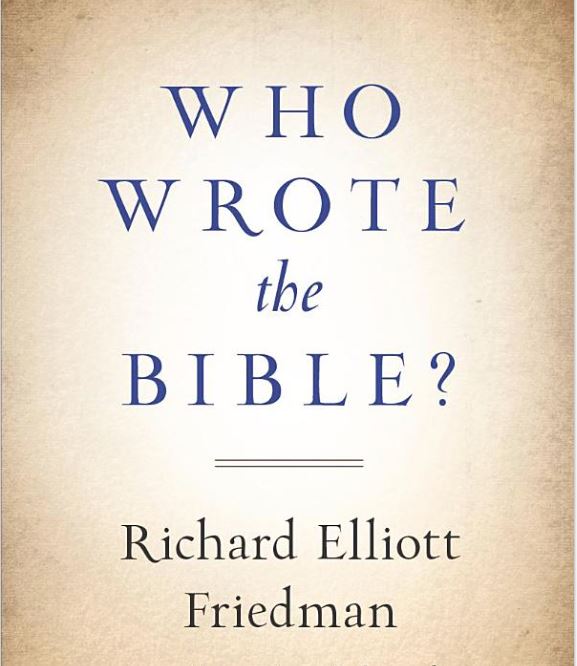
Is it possible to figure out how the Hebrew Bible was written, by whom, and when? Those who study the text for a living would say “yes”. Among them is Richard Elliot Friedman, in his 1987 book “Who Wrote the Bible?” (updated in 2019). In it, Friedman makes an absolutely fascinating and substantially believable case for the origins and authorship of the Hebrew Bible. In this note, we’ll try to outline his major findings and summarize some of the textual data and analytical reasoning he uses to come to his conclusions. And, as we have done previously, we will ask…
-
A Reassessment of the Source(s) and Authenticity of the Hebrew Bible

All scripture is inspired by God and useful for teaching, rebuking, correcting and training in righteousness, that the man of God may be complete, equipped for every good work” (2 Tim 3:16-17). There is a festering dissonance today between the traditional view of the Bible by people of faith (both Jew and Christian), and the data uncovered within its text by those scholars known as Text- or Source-critics – people who study only the text to learn its dating, and authorship/sources. But, (and this will be my key point) I have concluded that the text-critical data concerning when or by…
-
Wrestling With the Origins of the Pentateuch

Modern Biblical scholarship has concluded that the majority of what we now have in the Biblical Pentateuch was substantially written in the seventh to fifth centuries BC. This creates a formidable problem for the traditionalist view (of both Jews and Christians) that holds that these foundational works were written by Moses, in Moses’ timeframe. But should it?
-
Did God Want a Temple, Sacrifices, or a Monarchy?

People casually familiar with the Hebrew Bible and its narrative of the history of Israel generally accept that the cultural symbols and practices that developed in that history were prescribed – even commanded – by their God Yahweh (YHWH). A little study, however, reveals a much more ambiguous situation.
-
Searching for a Consistent Biblical God

I wonder how many people have been thrown off of their inevitable search for God by what they perceive as not just the inconsistency of the characterization of God in the Bible’s Old Testament compared to His portrayal in the New, but by His seemingly severe, some would say immoral, characterization in the Old Testament. Wouldn’t it be wonderful if we could find and describe one, integrated, consistent whole of the Divine Nature across the entire Bible? Imagine being able to perceive God’s essential God-ness through a new lens, and so enable others to see beyond their personal prejudices. Looking…
-
Biblical Narrative As a Mosaic
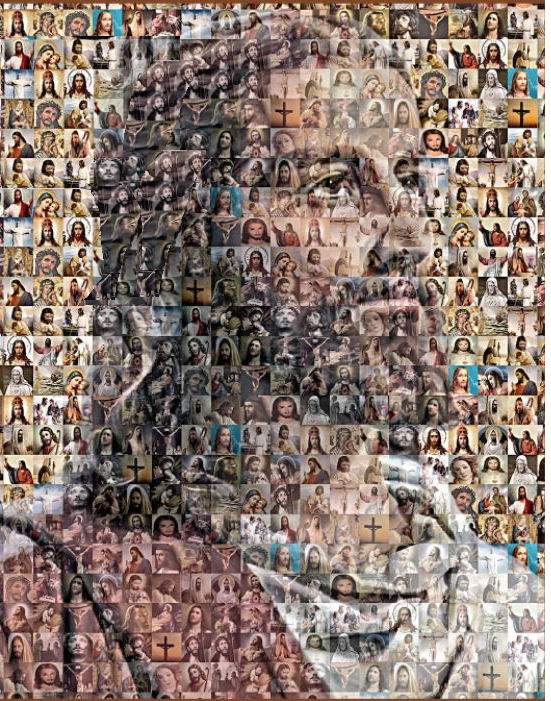
Most of us read the Bible as at most a narrative of the history of God’s people, culminated by some revolutionary stuff in the New Testament. And, it certainly, on one level, is that. But few of us read the Bible carefully enough or deeply enough to see its deeper construction as an intricate weaving of individual, but connected, narratives that all create a larger meta-narrative.
-
The “X-Files” of the Tanakh
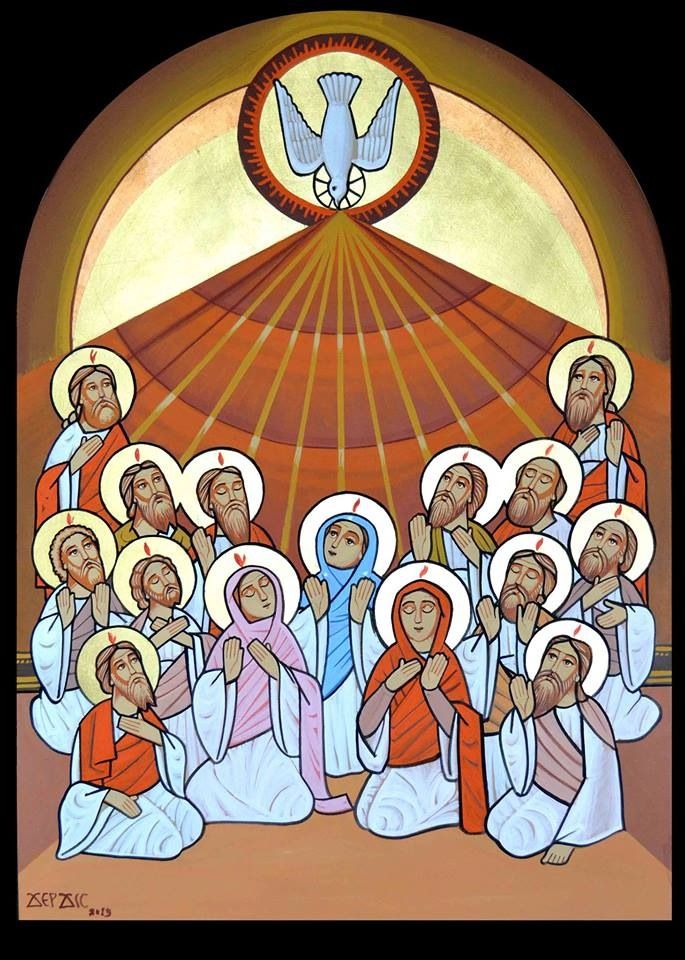
There is some very strange stuff going on, semantically, in the Tanakh – the Old Testament. Our English translations hide much of it, allowing us to blithely assume that unclear verses are either just poorly translated or, perhaps, intended to be purposefully obscure. But, what if their obscurity/ambiguity reveals some much deeper meaning than simply the literal texts in which they appear? And, if there is a deeper meaning, what could it be, and what is it likely to be?
-
The New Covenant…of Moses?
It may come as a surprise (as it did to me) that Moses, virtually before Israel was identifiably a nation, predicted the replacement of the Covenant he was given for them by a succeeding, New covenant in which God took things into His own hands.
