
Category: Biblical Archaeology
-
Moses in Egypt?

The Bible’s Exodus narrative is quite specific about Moses’s history in Egypt: his adoption by the Queen; His rise to responsibility and power under Pharaoh; his crime, and his flight to Midian to escape justice. And from Moses’s introduction in this narrative, the Exodus author goes out of his way to inform us that Moses is from the tribe of Levi. We’ll look for Moses in the historical record, we’ll also try to understand the significance of his Levite identity. And, we’ll propose his place in the historical record of Egypt.
-
Israel in Egypt?
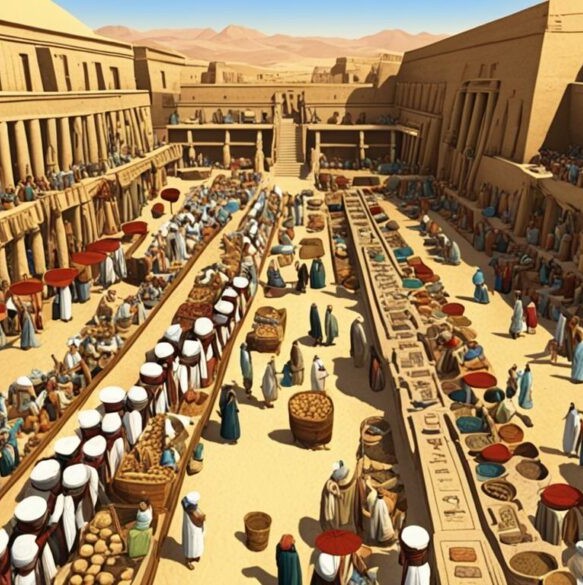
Where is the evidence for Israel in Egypt and their Exodus from it? When we look for its memory in Egypt we don’t find it. When we look for it at Jericho we don’t find it. When we look for it in Egyptian or Mesopotamian records we don’t find it. You would think something as momentous as an entire nation emigrating from one land to another would get some mention in the historical (not just the Biblical) record. But we don’t see it, explicitly. Did it not happen (at least as recorded in the Bible)? Or, did it happen, but…
-
The Origins of Judaism

When did “Judaism” begin to be widely practiced (i.e. widespread adherence to what we today recognize as the rules and calendar of the Pentateuch)? Irrespective of when the individual books of the Pentateuch were written, when did the majority of Judeans begin to live them out? The answer is quite shocking.
-
Moses’ Real Words?
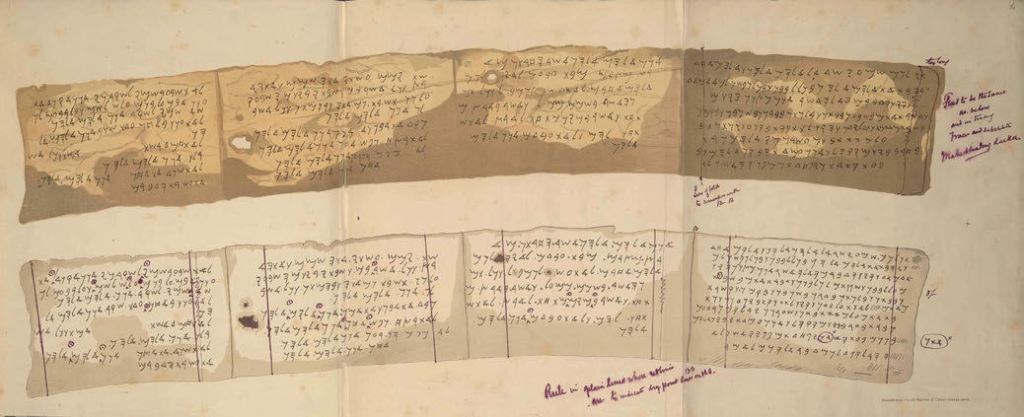
In the 1880’s an antiquities dealer in Jerusalem came into possession of an apparently ancient “scroll” consisting of fifteen strips of leather containing paleo-Hebrew texts. Within a period of five years of their “publication”, the fragments had been declared forgeries by “experts” in Europe, and shortly thereafter, the antiquities dealer, Moses Shapira, committed suicide in a Rotterdam hotel room in 1884. But what if they were authentic? That’s the question I want to pose and try to answer.
